Leveraging AI for Real-Time Analytics in Your App

You can enhance your app’s performance by integrating AI-powered real-time analytics, enabling you to make data-driven decisions. Your app generates vast amounts of data, and AI helps you process it instantly, providing valuable insights. By leveraging AI, you can analyze user behavior, track key metrics, and optimize your app for better user experience, ultimately driving your business forward with informed decisions.

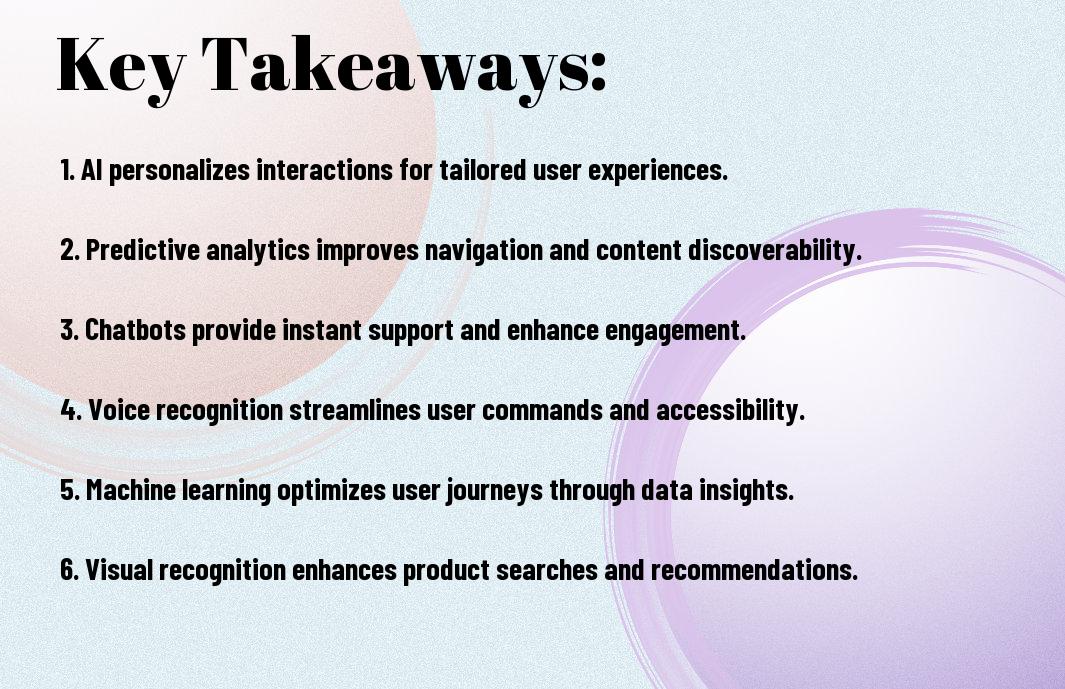
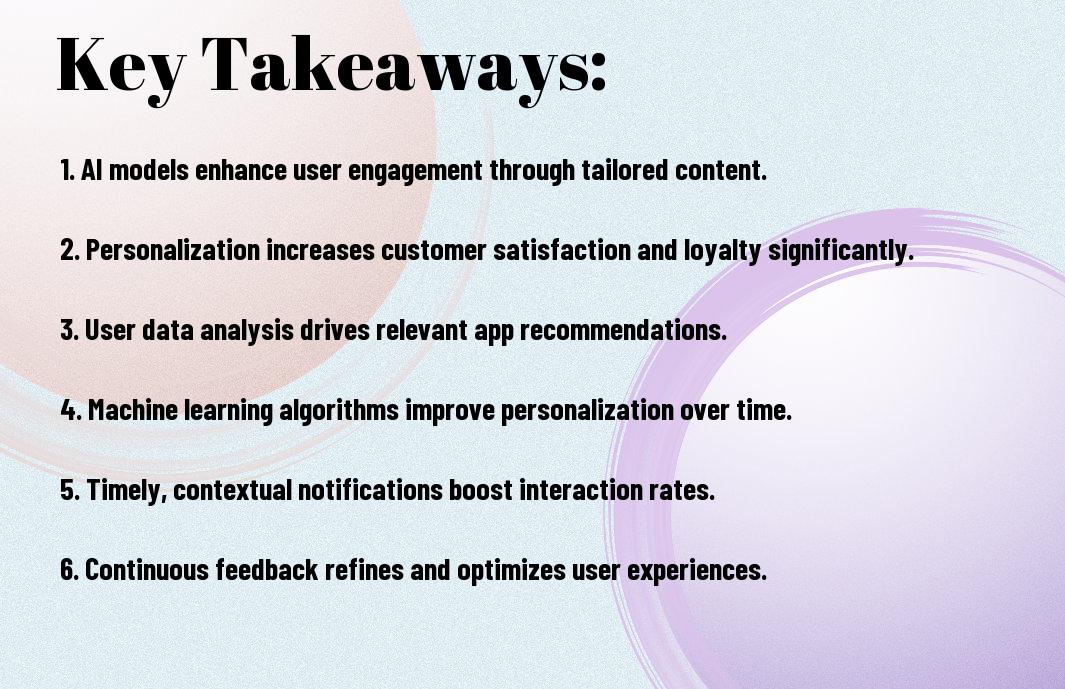
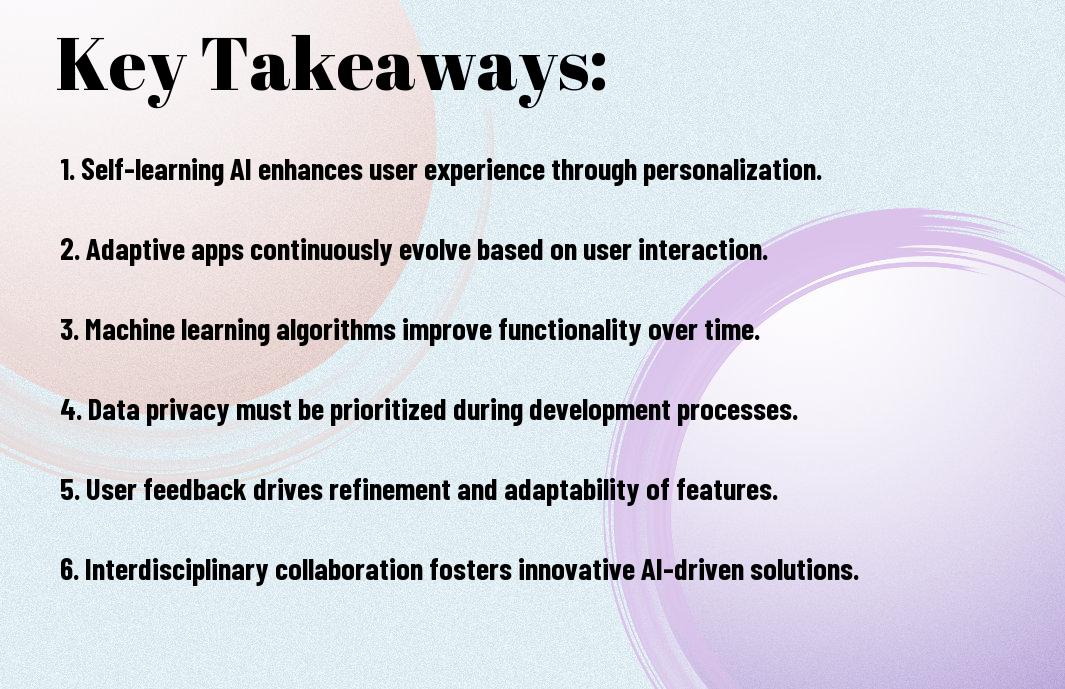
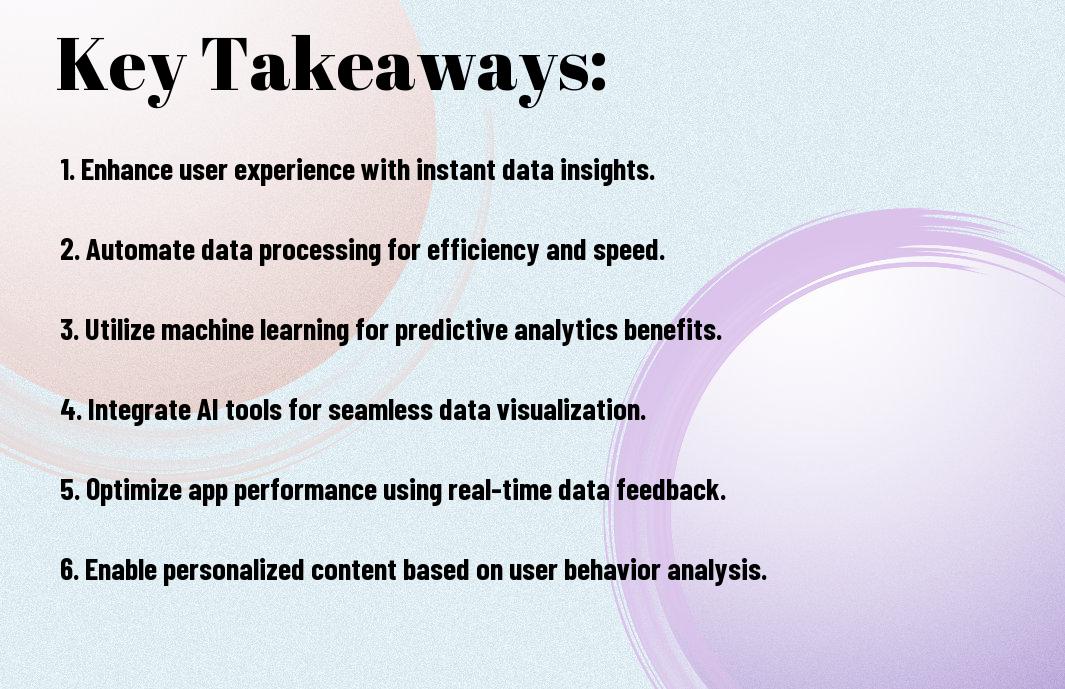
Key Takeaways:

  • Integrating AI into your app can significantly enhance real-time analytics capabilities, enabling faster and more accurate decision-making for users and developers alike.
  • AI-powered analytics can process vast amounts of data in real-time, providing insights that might be missed through traditional analysis methods, and helping to identify trends and patterns more efficiently.
  • Implementing AI-driven analytics in your app can lead to improved user experiences, as it allows for personalized content and recommendations based on user behavior and preferences.
  • Real-time analytics powered by AI can also help in detecting and preventing potential issues, such as security breaches or system failures, by monitoring app performance and user activity continuously.
  • To successfully leverage AI for real-time analytics, it’s necessary to choose the right tools and technologies that align with your app’s specific needs and goals, and to ensure seamless integration with existing infrastructure.
Real-Time Analytics Fundamentals

To effectively leverage AI for real-time analytics in your app, you need to understand the basics of real-time analytics, including data collection, processing, and analysis. This foundation will help you make informed decisions about your app’s performance and user behavior.

Data Stream Processing

Above all, your app’s ability to process data streams in real-time is vital for gaining timely insights. You can achieve this by utilizing technologies that handle high-volume data streams, enabling your app to respond quickly to changing user behaviors and preferences.

AI Model Integration

With the right AI models, you can unlock deeper insights into your app’s performance and user behavior. You can integrate AI models into your app to analyze real-time data, identify patterns, and make predictions about future user behavior.

Considering the complexity of AI model integration, you should focus on selecting models that align with your app’s specific needs and goals. You can choose from a variety of models, such as machine learning or deep learning, to analyze your app’s data and provide actionable insights that inform your decision-making process, helping you to optimize your app’s performance and improve user experience.

AI Components for Analytics

Now that you’re exploring AI for real-time analytics, you’ll need to understand the components involved. Your app’s analytics capabilities will rely on these components to process and analyze data efficiently.

Machine Learning Algorithms

Components such as machine learning algorithms will enable your app to learn from data and make predictions, allowing you to make informed decisions about your business.

Neural Network Applications

Around the concept of neural networks, you’ll find various applications that can enhance your app’s analytics, including image and speech recognition, natural language processing, and more.

Algorithms like deep learning and convolutional neural networks will help you unlock the full potential of your app’s neural network applications, enabling you to analyze complex data patterns and make accurate predictions about your users’ behavior.

Implementation Architecture

Many factors contribute to a successful AI-powered analytics system, and you will need to consider several components when designing your architecture, including data ingestion, processing, and storage, as well as the AI algorithms and models that will drive your analytics capabilities.

System Design Patterns

Along with choosing the right technologies, you should consider established system design patterns, such as microservices or event-driven architectures, to ensure your system is flexible, maintainable, and scalable, allowing you to adapt to changing requirements and growing demands.

Scalability Considerations

For your AI-powered analytics system to handle increasing volumes of data and user traffic, you will need to plan for scalability, considering factors such as distributed computing, load balancing, and autoscaling, to ensure your system can handle growth without compromising performance.

Another key aspect of scalability is monitoring and optimizing your system’s resource utilization, as you will need to balance the costs of infrastructure and maintenance with the need for fast and reliable analytics, and by doing so, you can ensure your system scales efficiently and effectively to meet your growing needs.

Performance Optimization

All applications require optimization to ensure seamless performance, and your app is no exception. You can leverage AI to streamline your app’s performance and provide a better user experience.

Data Pipeline Efficiency

Effectively, you can enhance your data pipeline by implementing AI-powered tools that automate data processing, reducing latency and increasing throughput, allowing you to make data-driven decisions in real-time.

Resource Management

Responsively, you can manage your resources by utilizing AI to monitor and allocate resources efficiently, ensuring that your app’s performance is not compromised, and your users have a smooth experience.

Hence, as you implement AI for resource management, you will be able to identify areas of improvement, predict potential bottlenecks, and make informed decisions to optimize your app’s performance, ultimately leading to increased user satisfaction and engagement with your app.

Security and Compliance

Keep your app’s real-time analytics secure by implementing robust measures to protect user data and ensure compliance with relevant regulations, as you integrate AI-powered analytics into your application.

Data Protection Measures

On the path to securing your app, you’ll need to implement robust data protection measures, such as encryption and access controls, to safeguard sensitive user information and maintain trust in your brand.

Regulatory Requirements

Across various jurisdictions, you must comply with a range of regulatory requirements, including data protection laws and industry standards, to avoid penalties and reputational damage.

The specifics of these regulatory requirements will depend on your app’s target market and the type of data you collect, so you’ll need to carefully assess your obligations and develop a compliance strategy that meets your unique needs, ensuring that your use of AI for real-time analytics aligns with relevant laws and regulations, and that you’re transparent with your users about how their data is being used.

Monitoring and Maintenance

Unlike traditional analytics methods, AI-powered real-time analytics requires continuous oversight to ensure optimal performance, allowing you to identify and address issues promptly, thereby maximizing your app’s potential.

System Health Tracking

Beneath the surface of your app’s interface, you need to track system health to prevent downtime and data loss, enabling you to take proactive measures to maintain your app’s stability and performance.

Model Performance Updates

The key to successful AI implementation lies in regularly updating your models to adapt to changing user behavior and preferences, allowing you to refine your app’s analytics and decision-making capabilities.

Monitoring your model’s performance over time, you will be able to identify areas for improvement, update your training data, and retrain your models to ensure they continue to provide accurate and relevant insights, enabling you to make informed decisions about your app’s development and growth, and ultimately enhancing your users’ experience.

Summing up

As a reminder, you can significantly enhance your app’s capabilities by leveraging AI for real-time analytics. You will be able to make data-driven decisions, improving your app’s overall performance and user experience. By integrating AI-powered analytics, you can gain valuable insights into your users’ behavior, allowing you to optimize your app and stay ahead of the competition, ultimately driving your business forward with informed decisions based on real-time data analysis.

FAQ

Q: What are the benefits of integrating AI-powered real-time analytics in my mobile or web application?

A: Integrating AI-powered real-time analytics in your application can significantly enhance user experience by providing instant insights and personalized recommendations. It enables businesses to make data-driven decisions, optimize operations, and improve customer engagement. With real-time analytics, you can track user behavior, identify trends, and respond promptly to changes in the market or user preferences, ultimately leading to increased conversion rates and revenue growth.

Q: How can I ensure the accuracy and reliability of AI-driven real-time analytics in my app?

A: To ensure the accuracy and reliability of AI-driven real-time analytics, it’s important to implement a robust data validation process, utilize high-quality data sources, and continuously monitor the performance of your AI models. Regularly updating and refining your models with new data and feedback from users can also help maintain their accuracy over time. Additionally, leveraging techniques such as data normalization, feature engineering, and cross-validation can further enhance the reliability of your analytics.

Q: What are the key considerations for implementing AI for real-time analytics in my app, especially concerning data privacy and security?

A: When implementing AI for real-time analytics, it’s vital to prioritize data privacy and security. Ensure that you comply with relevant regulations such as GDPR or CCPA by obtaining explicit user consent for data collection and processing. Implement robust data encryption methods to protect user data both in transit and at rest. Furthermore, use secure authentication and authorization protocols to control access to sensitive data and analytics insights. Transparency about what data is collected and how it’s used is also key to building trust with your users.

Building Multilingual Apps with Natural Language AI

As you expand your app’s reach to a global audience, you’ll need to cater to diverse language preferences. You can leverage Natural Language AI to develop multilingual apps, enabling your users to interact in their native languages. With this technology, you can enhance your app’s user experience, increase engagement, and tap into new markets. By integrating Natural Language AI, you can efficiently manage language support and provide personalized experiences for your users worldwide.

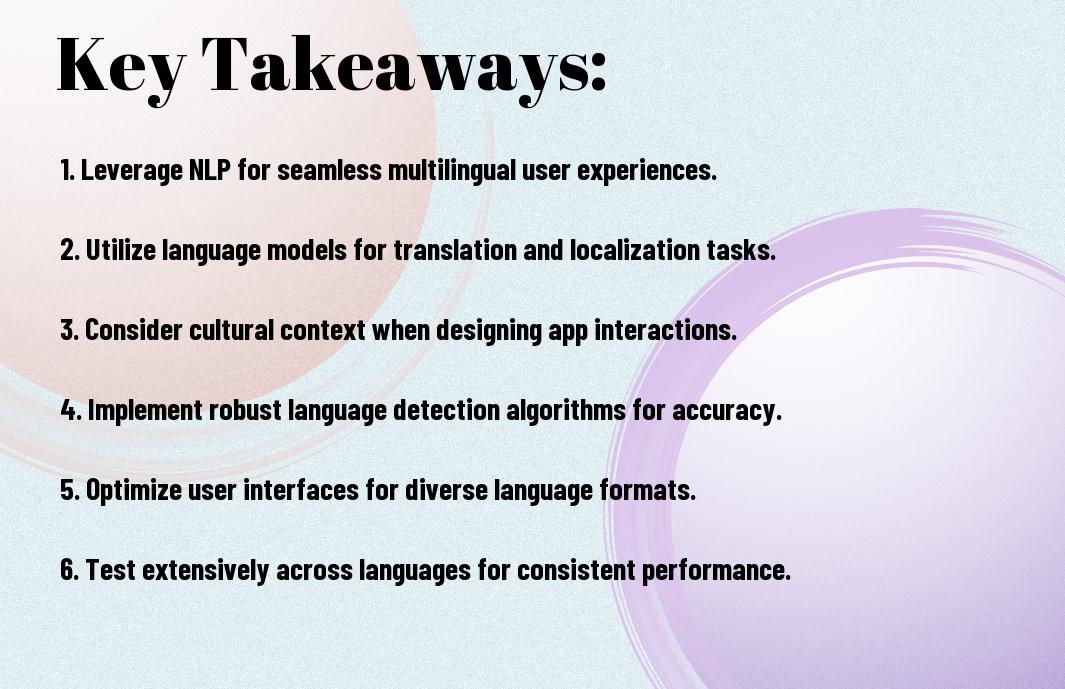
Key Takeaways:

  • Developing multilingual apps with natural language AI enables businesses to expand their reach and cater to diverse user bases, improving overall user experience and engagement.
  • Natural language processing (NLP) and machine learning algorithms can be leveraged to build apps that understand and respond to user input in multiple languages, facilitating seamless communication.
  • Integrating language translation and localization capabilities into apps can help companies tap into new markets and increase their global presence, driving revenue growth and competitiveness.
  • Building multilingual apps with natural language AI requires careful consideration of cultural and linguistic nuances to ensure accurate and context-specific translations, avoiding potential miscommunications or misinterpretations.
  • By incorporating natural language AI into multilingual app development, developers can create more intuitive and user-friendly interfaces, enhancing customer satisfaction and loyalty across different languages and regions.

Natural Language AI Fundamentals

Before venturing into building multilingual apps, you need to understand the basics of natural language AI, which enables computers to process and generate human-like language, allowing your app to communicate effectively with users worldwide.

Core Language Processing Components

Among the key elements of natural language AI, you will find tokenization, syntax analysis, and semantics, which are imperative for your app to comprehend and generate text, facilitating interaction with users in their native languages.

Language Model Architecture

Language is at the heart of natural language AI, and you will need to design an architecture that can handle various languages, taking into account their unique characteristics, such as grammar and syntax, to ensure your app provides accurate and context-specific responses.

Components of a language model architecture include encoders, decoders, and attention mechanisms, which you can use to build a robust and flexible system, allowing your app to learn from data and improve its language understanding and generation capabilities over time, enabling you to support multiple languages and dialects in your app.

Multilingual Framework Setup

Now that you have decided to build a multilingual app, setting up a framework is important. You need to consider the languages you want to support and the resources you have available. Your framework should be scalable and flexible to accommodate different languages and regions.

Language Detection Systems

With language detection systems, you can automatically identify the language of your users and provide them with a personalized experience. You can use various libraries and APIs to detect languages and integrate them into your app.

Translation Pipeline Integration

Pipeline integration is a key step in building a multilingual app. You need to integrate your translation pipeline with your development workflow to ensure that your app is translated efficiently and accurately. Your translation pipeline should be able to handle different file formats and languages.

Indeed, integrating a translation pipeline into your development workflow can be complex, but it is worth the effort. You can use various tools and services to automate the translation process, such as machine translation APIs and translation management platforms. By integrating a translation pipeline, you can ensure that your app is translated quickly and accurately, and that you can reach a global audience with your product.

Language Data Management

For building multilingual apps, you need to manage language data effectively. This involves several steps, from collecting and storing data to retrieving and using it in your app.

Data Collection Strategies

Deriving data from various sources is imperative for your multilingual app. You will collect text, speech, and other forms of language data to train your AI models, enabling them to understand and generate human-like language.

Storage and Retrieval Methods

Collecting and organizing your language data is just the first step. You will need to store it securely and retrieve it efficiently to use in your app, ensuring that your AI models can access the data they need to function effectively.

Understanding how to implement effective storage and retrieval methods is vital for your app’s performance. You will want to consider factors such as data format, storage solutions, and retrieval algorithms to ensure that your language data is handled correctly, allowing your app to provide accurate and helpful responses to your users.

Cultural Context Integration

All aspects of your app’s development should consider the cultural context, and for more information on this topic, you can visit Multilingual natural language processing | Fast Data Science to learn more about integrating cultural context into your multilingual app.

Regional Language Adaptations

Adapting your app to regional languages is imperative, as you will need to consider the nuances of each language to ensure your app is effective in different regions, and you should take the time to understand the specific needs of your target audience.

Localization Parameters

Localization is key when developing a multilingual app, and you will need to consider various parameters such as date and time formats, currency, and units of measurement to ensure your app is user-friendly and accessible to a global audience.

At this stage, you will need to conduct thorough research to determine the specific localization parameters that apply to your target regions, and you should consider factors such as language, culture, and regulations to ensure your app meets the needs of your users and complies with local laws and regulations.

Performance Optimization

Once again, you’ll need to focus on optimizing your app’s performance to ensure a seamless user experience, especially when dealing with multiple languages and AI-powered features.

Response Time Enhancement

Across various platforms and devices, you can enhance your app’s response time by leveraging caching, content delivery networks, and optimizing database queries to reduce latency.

Resource Management

After implementing your multilingual app, you’ll need to monitor and manage your resources efficiently to prevent performance degradation, ensuring your app can handle increased traffic and user engagement.

Performance of your app is directly tied to how well you manage your resources, and you can achieve this by setting up alerts, tracking memory usage, and optimizing your code to minimize unnecessary computations, allowing you to identify and address potential bottlenecks before they impact your users.

Security and Privacy

Keep your users’ trust by prioritizing security and privacy in your multilingual app, ensuring their data is protected and their interactions are secure.

Data Protection Protocols

Following the development of your app, adhere to strict data protection protocols, implementing robust encryption and secure storage to safeguard your users’ information.

User Privacy Controls

Privately, you must consider the user’s perspective, providing them with controls to manage their personal data and opt-out of data collection, giving them autonomy over their privacy settings.

Security measures should be implemented to support user privacy controls, allowing you to ensure that your users’ data is handled responsibly, and you can maintain transparency about how their information is being used, giving you the ability to build trust with your users and establish a strong reputation for your app.

Conclusion

The development of multilingual apps with natural language AI enables you to expand your reach globally. You can now create apps that understand and respond to your users’ queries in their native languages, enhancing their experience. By leveraging natural language AI, you can break language barriers and make your app more accessible, increasing your user base and ultimately, your revenue. Your ability to cater to diverse linguistic needs sets you apart in the competitive app market.

FAQ

Q: What are the benefits of using Natural Language AI in building multilingual apps?

A: Building multilingual apps with Natural Language AI offers several benefits, including enhanced user experience, increased accessibility, and broader market reach. Natural Language AI enables apps to understand and respond to user input in multiple languages, making them more inclusive and user-friendly. This technology also allows for more accurate language translation, sentiment analysis, and intent detection, which can improve customer engagement and loyalty. Furthermore, by supporting multiple languages, businesses can expand their customer base and enter new markets, potentially leading to increased revenue and growth.

Q: How does Natural Language AI handle language nuances and cultural differences in multilingual apps?

A: Natural Language AI is designed to handle language nuances and cultural differences by leveraging advanced machine learning algorithms and large datasets. These algorithms can learn to recognize and adapt to the unique characteristics of each language, including idioms, colloquialisms, and cultural references. Additionally, Natural Language AI can be trained on region-specific data to ensure that the app is sensitive to local customs and preferences. This enables multilingual apps to provide more accurate and contextually relevant responses, improving the overall user experience and reducing the risk of cultural or linguistic misinterpretation.

Q: What are the key considerations for integrating Natural Language AI into a multilingual app development project?

A: When integrating Natural Language AI into a multilingual app development project, several key considerations must be taken into account. These include selecting the right Natural Language AI platform and tools, ensuring high-quality training data, and designing an intuitive user interface that can accommodate multiple languages. It is also important to consider factors such as language support, character encoding, and font compatibility to ensure seamless integration and optimal performance. Moreover, developers should prioritize ongoing testing and evaluation to ensure that the Natural Language AI component is functioning correctly and providing accurate results across all supported languages.

Enhancing User Experience with AI-Powered Innovations

As you navigate the digital landscape, you expect seamless and personalized interactions. Your online experiences are being revolutionized by AI-powered innovations, designed to anticipate and meet your needs. With AI-driven technologies, you can enjoy tailored recommendations, intuitive interfaces, and efficient solutions that simplify your life. By leveraging these advancements, you can unlock a new level of convenience and engagement, transforming the way you interact with digital platforms and services.

Key Takeaways:

  • AI-powered innovations can significantly enhance user experience by providing personalized recommendations, streamlining processes, and improving overall interaction with digital products and services.
  • Implementing AI-driven chatbots and virtual assistants can help businesses offer 24/7 customer support, reducing wait times and increasing user satisfaction.
  • AI-powered analytics can help companies gain valuable insights into user behavior, enabling them to make data-driven decisions and create more effective user experiences.
  • Integrating AI into user interface design can lead to more intuitive and engaging experiences, with features such as predictive search, automated content generation, and adaptive layouts.
  • As AI technology continues to evolve, businesses must prioritize transparency, accountability, and ethics in their AI-powered innovations to build trust with users and ensure a positive experience.

The Evolution of AI in User Experience

Your journey to enhancing user experience begins with understanding the role of AI, as seen in AI in the User Experience: Benefits and Challenges, which explores the impact of AI on UX design.

Traditional UX vs AI-Enhanced Interactions

Behind the scenes of every successful user interface lies a well-designed UX, and you can elevate this with AI-powered innovations, creating more personalized and engaging interactions.

Machine Learning Foundations in Modern UX

An crucial aspect of AI-enhanced UX is machine learning, which enables systems to learn from your users’ behavior and adapt to their needs, providing a more intuitive experience.

AI-Enhanced user experience is revolutionizing the way you interact with digital products, and by leveraging machine learning foundations, you can create systems that learn and improve over time, offering personalized recommendations, automated support, and streamlined processes, ultimately leading to increased user satisfaction and loyalty.

Personalization Through AI

If you want to enhance user experience, AI-powered personalization is key. You can leverage AI to analyze user behavior and preferences, providing tailored experiences that meet their unique needs.

Behavioral Pattern Recognition

Alongside this, analyzing user interactions helps you identify patterns, enabling more effective personalization strategies.

Dynamic Content Adaptation

Through AI-driven content adaptation, you can deliver personalized content that resonates with your users, increasing engagement and satisfaction.

Recognition of individual user preferences allows you to refine your content adaptation strategies, ensuring that your users receive the most relevant and engaging content, thereby enhancing their overall experience with your platform, and as you continue to use AI-powered innovations, you will find that your users’ experiences become increasingly tailored to their unique needs and preferences.

Predictive User Interface Design

Keep yourself updated with the latest trends in user interface design, as you can learn more about Enhancing User Experience with AI: The Future is Now by visiting this article to stay ahead in the game.

Anticipatory Computing Elements

With the help of AI-powered innovations, you can create anticipatory computing elements that learn your users’ behavior and adapt to their needs, providing a more personalized experience.

Smart Navigation Systems

Among the various applications of predictive user interface design, smart navigation systems stand out as a key feature, allowing you to streamline your users’ journey and reduce friction.

Elements such as adaptive menus, predictive search, and contextual help can be integrated into your smart navigation systems, enabling you to provide your users with a seamless and intuitive experience, as you guide them through your platform with ease and efficiency, making it more likely for them to achieve their goals and return for more.

Natural Language Processing in UX

Once again, you can leverage AI-powered innovations to enhance user experience, this time through natural language processing, which enables computers to understand and generate human-like language, allowing for more intuitive interactions with your products and services.

Conversational Interfaces

Besides traditional interfaces, conversational interfaces are becoming increasingly popular, enabling you to interact with users in a more human-like way, using natural language to provide support, answer questions, and offer personalized recommendations.

Voice-Enabled Interactions

Above all, voice-enabled interactions are revolutionizing the way you design user experiences, allowing users to interact with your products and services using voice commands, making it easier and more convenient for them to access information and perform tasks.

A key aspect of voice-enabled interactions is the ability to provide users with a hands-free experience, allowing them to multitask and interact with your products and services in a more natural way, which can lead to increased user engagement and satisfaction, as you can provide them with a more seamless and intuitive experience.

AI-Driven Analytics for UX Optimization

Many organizations are leveraging AI-driven analytics to optimize their user experience. You can gain valuable insights into user behavior, preferences, and pain points, enabling you to make data-driven decisions to enhance your UX.

Real-time User Behavior Analysis

Around the clock, you can monitor user interactions, identifying trends and patterns that inform your UX strategy. You can analyze user behavior in real-time, allowing you to respond quickly to changing user needs.

Automated Performance Adjustments

Above all, automated performance adjustments enable you to optimize your UX in real-time. You can use AI to identify areas of improvement and implement changes automatically, ensuring your UX is always optimized.

At the heart of automated performance adjustments is the ability to analyze user behavior and adjust your UX accordingly. You can use AI to analyze user feedback, sentiment, and behavior, and make adjustments to your UX in real-time, ensuring that your users have the best possible experience. This enables you to stay ahead of the competition and provide a superior user experience that drives engagement and conversion.

Ethical Considerations

Unlike other technologies, AI-powered innovations require careful consideration of ethical implications to ensure you use them responsibly. You must consider the potential consequences of your actions and prioritize fairness, accountability, and transparency.

Privacy and Data Protection

Besides the benefits of AI, you need to consider the potential risks to your users’ privacy and data. You should implement robust security measures to protect sensitive information and ensure compliance with relevant regulations.

Transparency in AI Decision-Making

The use of AI in decision-making processes raises important questions about accountability and trust. You should be able to understand how AI-driven decisions are made and be transparent about the data used to inform them.

In fact, transparency in AI decision-making is necessary to building trust with your users. You can achieve this by providing clear explanations of AI-driven decisions and being open about the potential biases and limitations of your AI systems. By doing so, you can ensure that your users feel confident in the decisions made by your AI-powered innovations and that you are using these technologies in a responsible and ethical manner.

Conclusion

Drawing together the various threads of AI-powered innovations, you can now enhance your user experience like never before. With AI-driven solutions, you can personalize your interactions, streamline processes, and gain valuable insights. As you leverage these innovations, your digital journey becomes more intuitive, efficient, and enjoyable, allowing you to unlock new possibilities and achieve your goals with greater ease, making the most of your digital experiences.

FAQ

Q: What role does AI play in enhancing user experience, and how can it be leveraged to create more personalized interactions?

A: AI-powered innovations play a significant role in enhancing user experience by analyzing user behavior, preferences, and patterns to provide tailored recommendations and interactions. By leveraging machine learning algorithms and natural language processing, businesses can create personalized experiences that cater to individual user needs, leading to increased engagement, satisfaction, and loyalty. For instance, AI-driven chatbots can offer 24/7 customer support, while predictive analytics can help businesses anticipate and address user needs before they arise.

Q: How can AI-powered innovations improve the accessibility and usability of digital products and services, particularly for users with disabilities?

A: AI-powered innovations can significantly improve the accessibility and usability of digital products and services by incorporating features such as voice commands, image recognition, and text-to-speech functionality. These features enable users with disabilities to interact with digital products and services more easily, promoting inclusivity and equality. Additionally, AI-driven tools can help identify and address accessibility barriers, ensuring that digital products and services comply with accessibility standards and guidelines. By prioritizing accessibility, businesses can expand their user base and create a more inclusive user experience.

Q: What are the potential risks and challenges associated with implementing AI-powered innovations, and how can businesses mitigate them to ensure a seamless user experience?

A: While AI-powered innovations offer numerous benefits, they also pose potential risks and challenges, such as data privacy concerns, algorithmic bias, and technical glitches. To mitigate these risks, businesses must prioritize transparency, accountability, and user consent when collecting and processing user data. They should also invest in robust testing and quality assurance processes to ensure that AI-powered innovations function as intended and do not compromise the user experience. Furthermore, businesses must establish clear guidelines and regulations for AI development and deployment, ensuring that AI-powered innovations align with their values and priorities, and that users’ needs and concerns are addressed throughout the development process.

Personalizing App Experiences with AI Models

As you navigate the digital landscape, you expect tailored experiences from the apps you use. Your interactions, preferences, and behaviors hold valuable insights that can be leveraged to create unique experiences. With AI models, you can now analyze and act on this data to deliver personalized app experiences, enhancing user engagement and loyalty. By integrating AI, you can unlock new levels of customization, making your app stand out in a crowded market and driving long-term success.

Key Takeaways:

  • Personalizing app experiences with AI models can significantly enhance user engagement and retention by providing tailored content and recommendations based on individual preferences and behaviors.
  • AI-powered personalization can be achieved through various techniques, including natural language processing, machine learning algorithms, and collaborative filtering, to create unique experiences for each user.
  • Integrating AI models into app development enables real-time data analysis, allowing for prompt adjustments to the user interface, features, and content to optimize the overall user experience.
  • AI-driven personalization can also help app developers to identify and address user pain points, improving the app’s overall usability and driving long-term user loyalty.
  • By leveraging AI models, app developers can create dynamic and adaptive experiences that evolve with the user over time, leading to increased satisfaction and a competitive edge in the market.

AI Models in App Personalization

The use of AI models in app personalization enables you to create tailored experiences for your users. You can learn more about AI Personalization and its applications in enhancing user engagement.

Machine Learning Foundations

Between the various techniques used in AI models, machine learning is a fundamental aspect that helps you understand your users’ behavior and preferences, allowing you to make data-driven decisions.

Neural Networks for User Behavior

Foundations of neural networks enable you to analyze complex user behavior patterns, providing valuable insights to inform your personalization strategies and improve your app’s overall user experience.

Behavior analysis is a key component of neural networks for user behavior, as it allows you to identify trends and patterns in how users interact with your app, enabling you to create personalized experiences that meet their unique needs and preferences, ultimately enhancing your app’s engagement and retention rates.

Data Collection and Analysis

You begin by collecting data from various sources, including user interactions, behavior, and feedback, to create a comprehensive understanding of your users’ needs and preferences.

User Interaction Metrics

At this stage, you focus on gathering metrics such as click-through rates, session duration, and bounce rates to understand how users interact with your app.

Behavioral Pattern Recognition

Analysis of user behavior helps you identify patterns and trends, enabling you to create personalized experiences that cater to individual preferences and needs.

Recognition of behavioral patterns allows you to group users into segments based on their behavior, enabling you to tailor your app’s features, content, and recommendations to meet the unique needs of each segment, thereby enhancing your users’ overall experience and increasing engagement with your app.

Personalization Strategies

Once again, you’ll find that personalization is key to creating an engaging app experience, and there are several strategies you can employ to achieve this, including dynamic content adaptation and predictive user preferences, which can be used to tailor your app to individual users’ needs and preferences.

Dynamic Content Adaptation

The ability to adapt content in real-time is a powerful tool, allowing you to adjust your app’s layout, tone, and style to suit your users’ behaviors and preferences, creating a more personalized experience that keeps them coming back for more.

Predictive User Preferences

With predictive analytics, you can anticipate your users’ needs and preferences, enabling you to provide them with relevant content and recommendations that enhance their overall app experience, and increase the likelihood of them achieving their goals.

A key aspect of predictive user preferences is the ability to analyze user behavior and identify patterns, allowing you to make informed decisions about the content and features you present to your users, and continually refine your approach to meet their evolving needs and preferences, ultimately leading to a more satisfying and engaging experience for your users.

Implementation Framework

After designing your AI model, you can proceed to implement it within your app, leveraging its capabilities to enhance user experience. You will need to consider various factors, including data integration, scalability, and security, to ensure seamless model deployment.

Integration Architecture

Architecturally, you should design a system that allows for efficient data flow between your app and the AI model, enabling personalized experiences for your users. This involves setting up a robust infrastructure that supports real-time data processing and analysis.

Model Deployment Steps

Framework-wise, you will need to follow a structured approach to deploy your AI model, starting with data preparation, model training, and testing, before integrating it with your app. You should also consider using cloud-based services to streamline the deployment process.

Also, as you deploy your model, you will need to continuously monitor its performance, gathering feedback from users and making adjustments as necessary to ensure that your app provides the best possible experience, tailored to individual user preferences and behaviors, which will help you to refine your model over time and improve its accuracy.

Privacy and Security

For any app developer, ensuring the privacy and security of user data is paramount when implementing AI models to personalize app experiences, as you will be handling sensitive user information.

Data Protection Measures

Any measures you take to protect user data will be necessary in maintaining trust with your users, and you should consider implementing robust data protection measures to safeguard against potential breaches.

Ethical Considerations

Along with the benefits of personalized app experiences, you must also consider the ethical implications of using AI models, as you will be making decisions that affect your users’ experiences and privacy.

At the heart of ethical considerations is the need to be transparent with your users about the data you collect and how you use it, and you should ensure that your AI models are fair, unbiased, and respectful of user privacy, allowing you to build trust with your users and create a positive app experience.

Performance Optimization

To ensure seamless user experiences, you need to optimize your app’s performance, leveraging AI models to streamline processes and enhance overall efficiency, which in turn boosts your app’s reputation and user retention.

Response Time Management

Prior to implementing AI models, you likely faced challenges in managing response times, but with AI, you can now predict and optimize your app’s response times, ensuring that your users enjoy a smooth and responsive experience.

Resource Efficiency

Alongside response time management, you will find that an efficient allocation of resources is vital, as AI models help you identify areas of waste and optimize your app’s performance, allowing you to make the most of your resources.

Consequently, as you focus on optimizing resource efficiency, you will notice significant improvements in your app’s overall performance, and you will be able to allocate resources more effectively, leading to better user experiences and increased customer satisfaction, which ultimately benefits your business and helps you achieve your goals.

Summing up

So, as you integrate AI models into your app, you can create personalized experiences that cater to your users’ unique needs. You can leverage AI-driven insights to tailor your content, recommendations, and interactions, thereby enhancing user engagement and loyalty. By doing so, you can stay ahead of the competition and drive your business forward with data-driven decision making, ultimately leading to increased customer satisfaction and retention.

FAQ

Q: What are the benefits of using AI models to personalize app experiences?

A: Using AI models to personalize app experiences offers several benefits, including enhanced user engagement, increased conversion rates, and improved customer satisfaction. By leveraging machine learning algorithms, apps can analyze user behavior, preferences, and interests to deliver tailored content, recommendations, and interactions. This personalized approach enables apps to build stronger relationships with their users, driving loyalty and retention. Furthermore, AI-powered personalization can help apps to stay competitive in a crowded market, differentiate themselves from rivals, and ultimately, drive business growth.

Q: How do AI models collect and process data to personalize app experiences?

A: AI models collect and process data through various methods, including user feedback, behavior tracking, and integration with other data sources. This data is then analyzed using machine learning algorithms to identify patterns, preferences, and trends. The models can process large amounts of data, including user interactions, search queries, and demographic information, to create detailed user profiles. These profiles are used to deliver personalized content, such as product recommendations, customized notifications, and tailored advertising. Additionally, AI models can continuously learn and adapt to user behavior, ensuring that the personalized experiences evolve and improve over time.

Q: What are the key considerations for implementing AI models to personalize app experiences?

A: When implementing AI models to personalize app experiences, there are several key considerations to keep in mind. First, it is necessary to ensure that the AI model is transparent, explainable, and fair, to maintain user trust and avoid potential biases. Second, apps must comply with data protection regulations, such as GDPR and CCPA, to safeguard user privacy and security. Third, the AI model should be integrated seamlessly into the app’s existing infrastructure, without compromising performance or user experience. Finally, apps should continuously monitor and evaluate the effectiveness of their AI-powered personalization, making adjustments and improvements as needed to optimize user engagement and business outcomes.

Designing Adaptive Apps with Self-Learning AI Systems

As you research into the world of app development, you’re likely aware of the growing need for personalized user experiences. You can create apps that adapt to individual preferences by leveraging self-learning AI systems. Your goal is to craft an interface that learns and evolves with your users, providing a unique experience tailored to their needs. By integrating AI, you can enhance your app’s functionality and boost user engagement, setting your product apart in a crowded market.

Key Takeaways:

  • Designing adaptive apps with self-learning AI systems requires a deep understanding of user behavior and preferences to create personalized experiences that evolve over time.
  • Self-learning AI systems can analyze vast amounts of data to identify patterns and make predictions, enabling apps to adapt and improve their performance automatically.
  • Adaptive apps with self-learning AI systems can enhance user engagement by providing tailored content, recommendations, and interactions that cater to individual needs and interests.
  • Developers must consider factors such as data quality, algorithmic transparency, and user trust when designing adaptive apps with self-learning AI systems to ensure reliable and unbiased decision-making.
  • Continuous monitoring and evaluation of self-learning AI systems are necessary to ensure they remain effective and aligned with user needs, and to identify areas for improvement and optimization.

Core Components of Adaptive Apps

For designing adaptive apps, you need to understand the core components that make them work, including self-learning AI systems, which can be explored further in Adaptive UI Design Powered by AI and Machine Learning to create personalized user experiences.

Self-Learning Mechanisms

For instance, you will need to implement self-learning mechanisms that allow your app to adapt to user behavior and preferences over time, enabling it to make predictions and decisions autonomously.

Data Processing Architecture

Mechanisms like data processing architecture are crucial for handling the vast amounts of user data that your adaptive app will collect, and you should design it to be scalable and efficient.

To develop an effective data processing architecture, you will need to consider factors such as data storage, processing power, and security, ensuring that your app can handle the demands of real-time data processing and analysis, and provide your users with a seamless and personalized experience.

AI System Integration

Any effective adaptive app relies on seamless AI system integration, allowing your application to learn and adapt to user behavior, ensuring a personalized experience. You will need to consider the type of AI system that best suits your app’s requirements, taking into account factors such as data processing and user interaction.

Neural Network Implementation

Around the concept of neural networks, you can implement a system that mimics the human brain, enabling your app to make predictions and decisions based on user data, and you will be able to analyze complex patterns and make informed decisions.

Machine Learning Frameworks

Integrating machine learning frameworks into your app allows you to leverage pre-built tools and libraries, streamlining the development process and enabling your app to learn from user interactions, and you can focus on refining your app’s performance and user experience.

Even with the right machine learning frameworks in place, you will still need to fine-tune your app’s algorithms and models to ensure they are optimized for your specific use case, and you can continually monitor and update your app to ensure it remains effective and efficient, providing the best possible experience for your users.

Behavioral Pattern Recognition

Now, as you design adaptive apps with self-learning AI systems, you need to understand how users interact with your application, and this is where behavioral pattern recognition comes into play, enabling your system to learn from user behavior and adapt accordingly.

User Interaction Analysis

Between each user interaction, you can gather valuable data that helps your AI system to identify patterns and preferences, allowing you to tailor your app’s response to meet the unique needs of your users.

Response Optimization

Recognizing the importance of personalized experiences, you can use machine learning algorithms to optimize your app’s response, ensuring that it is tailored to the individual user’s behavior and preferences, thereby enhancing their overall experience.

Even as you probe deeper into response optimization, you will find that your AI system can analyze user feedback and adjust its responses in real-time, enabling your app to evolve and improve continuously, and as you monitor user engagement, you can refine your app’s adaptive capabilities to deliver a more intuitive and engaging experience for your users.

Real-Time Adaptation Systems

Keep in mind that real-time adaptation systems are vital for designing adaptive apps, and you can learn more about self-learning AI systems by visiting Self-Learning AI — Building Future-Proof Machine Learning Applications to improve your understanding of the topic.

Dynamic Content Adjustment

Along with real-time adaptation, you will need to adjust your content dynamically to cater to the changing needs of your users, ensuring that your app remains engaging and relevant.

Performance Monitoring

Between designing and deploying your adaptive app, you will need to monitor its performance to identify areas that require improvement, allowing you to make data-driven decisions.

For instance, you can use performance monitoring tools to track user behavior, identify bottlenecks, and optimize your app’s performance in real-time, enabling you to provide a seamless user experience and increase user satisfaction with your adaptive app.

Personalization Engines

Once again, you’ll find that personalization is key to creating an adaptive app, and personalization engines are the driving force behind this capability, enabling your app to learn and adjust to user behavior over time.

User Profile Management

Personally, you will need to implement effective user profile management to store and analyze user data, allowing your app to make informed decisions about the content and features to display to each individual user.

Preference Learning Algorithms

Besides the user interface, you will also need to integrate preference learning algorithms that can analyze user behavior and adapt your app’s functionality accordingly, providing a more tailored experience for each user.

Considering the complexity of human preferences, you will need to carefully design and train your preference learning algorithms to accurately capture and respond to user behavior, taking into account various factors such as usage patterns, search history, and feedback, to create a truly personalized experience that meets your users’ unique needs and expectations.

Security and Privacy

After designing an adaptive app with self-learning AI systems, you must consider the security and privacy implications to protect your users’ data and maintain their trust.

Data Protection Protocols

Driven by the need for secure data handling, you should implement robust data protection protocols to safeguard your users’ sensitive information and ensure compliance with regulatory requirements.

Ethical AI Implementation

Implementing AI in an ethical manner is vital to avoid biases and ensure fairness in your app’s decision-making processes, allowing you to build a trustworthy relationship with your users.

Indeed, as you examine deeper into ethical AI implementation, you will need to consider factors such as transparency, accountability, and explainability, enabling you to develop an AI system that not only learns from data but also respects your users’ rights and privacy, ultimately enhancing your app’s overall performance and user experience.

Final Words

Drawing together the concepts explored, you now have a solid foundation for designing adaptive apps with self-learning AI systems. You can leverage this knowledge to create innovative solutions that enhance your users’ experiences. As you launch on your project, consider your goals and how your app will learn and adapt to meet the evolving needs of your audience, ultimately leading to increased user satisfaction and engagement with your product.

FAQ

Q: What are the benefits of designing adaptive apps with self-learning AI systems?

A: Designing adaptive apps with self-learning AI systems provides several benefits, including enhanced user experience, improved performance, and increased efficiency. These systems can learn from user behavior and adapt to their needs, offering personalized experiences that increase user engagement and satisfaction. Additionally, self-learning AI systems can automate tasks, reduce errors, and optimize resource allocation, leading to improved performance and efficiency.

Q: How do self-learning AI systems integrate with existing app infrastructure to enable adaptive design?

A: Self-learning AI systems can integrate with existing app infrastructure through various methods, including APIs, SDKs, and data analytics platforms. These systems can collect and analyze user data, such as usage patterns, preferences, and behavior, to inform adaptive design decisions. By leveraging machine learning algorithms and natural language processing, self-learning AI systems can identify areas for improvement and optimize the app’s UI/UX, content, and functionality to deliver a more adaptive and responsive user experience.

Q: What are the key considerations for developers when designing adaptive apps with self-learning AI systems?

A: When designing adaptive apps with self-learning AI systems, developers should consider several key factors, including data quality, user privacy, and transparency. Ensuring high-quality and diverse data is necessary for training accurate self-learning AI models. Developers must also prioritize user privacy and security, implementing robust data protection measures to prevent unauthorized access or misuse. Furthermore, providing transparent explanations of how the self-learning AI system works and makes decisions can help build trust with users and foster a positive app experience.

Skip to content