
As you consider developing mobile apps, you’re likely thinking about user experience and functionality. However, you should also prioritize environmental sustainability. Your app’s carbon footprint can be significant, but with energy-efficient AI models, you can reduce its impact. By incorporating eco-friendly design principles and AI technologies, you can create apps that not only perform well but also contribute to a more sustainable future, making your development process more environmentally responsible and appealing to the growing demographic of eco-conscious users.
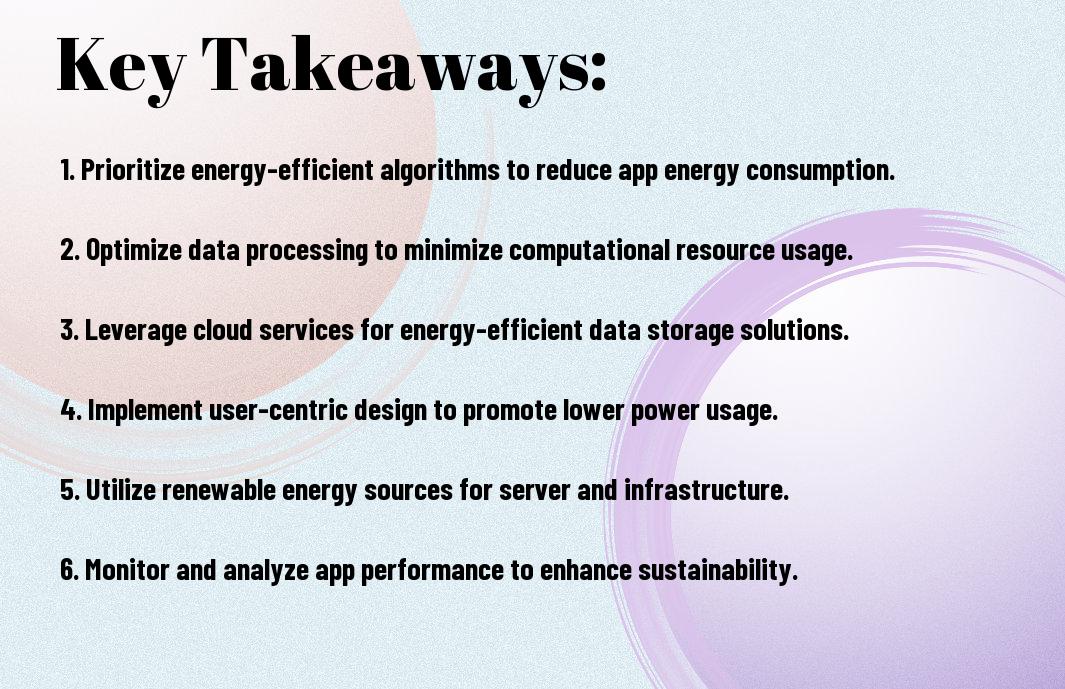
Key Takeaways:
- Developing eco-friendly apps with energy-efficient AI models can significantly reduce the carbon footprint of digital technologies, contributing to a more sustainable future.
- Energy-efficient AI models can be achieved through techniques such as model pruning, knowledge distillation, and quantization, which reduce computational requirements without sacrificing performance.
- Mobile devices and cloud computing platforms can benefit from eco-friendly apps, as they can lead to extended battery life, reduced heat generation, and lower energy consumption.
- Developers can use various tools and frameworks to design and optimize energy-efficient AI models, such as TensorFlow Lite, Core ML, and Android’s Neural Networks API.
- By prioritizing energy efficiency in AI model development, developers can create apps that not only minimize environmental impact but also provide better user experiences through faster processing times and improved overall performance.
Green Software Development Principles
For developing eco-friendly apps, you need to consider the environmental impact of your software. You can achieve this by following green software development principles, which prioritize energy efficiency and sustainability in your coding practices.
Energy Consumption Metrics
Between the various factors that affect energy consumption, you will find that your choice of algorithms and data structures has a significant impact. You can measure energy consumption using metrics such as carbon footprint and energy usage per computation.
Code Optimization Techniques
Below the surface of your code, there are opportunities to optimize energy efficiency. You can use techniques such as caching, lazy loading, and parallel processing to reduce energy consumption and improve performance.
Metrics such as execution time and memory usage can help you evaluate the effectiveness of your code optimization techniques. You can use these metrics to identify areas for improvement and refine your approach to achieve greater energy efficiency in your eco-friendly apps, allowing you to make informed decisions about your coding practices and minimize your environmental impact.
AI Model Efficiency
While developing eco-friendly apps, you need to focus on energy-efficient AI models to minimize environmental impact. Your goal is to create models that balance performance and power consumption.
Model Compression Methods
With various techniques available, you can reduce model size and computational requirements, making your app more energy-efficient. Your approach will depend on the specific needs of your project.
Lightweight Architecture Design
Along with model compression, designing lightweight architectures is vital for reducing energy consumption. You can achieve this by simplifying your models and using fewer resources.
Model architecture plays a significant role in determining the energy efficiency of your AI models. You can design your models to be more lightweight by using fewer layers, reducing parameter counts, and leveraging transfer learning. By doing so, you can significantly decrease the computational requirements and energy consumption of your models, making your app more eco-friendly and efficient.
Power Management Strategies
All your efforts to develop eco-friendly apps can be enhanced by implementing effective power management strategies, which involve optimizing energy consumption and reducing waste. You can learn more about sustainable approaches by visiting Green AI: Exploring Sustainable Strategies for Energy-Efficient Systems and Eco-Friendly Innovations to discover innovative solutions.
Background Process Optimization
On the path to creating energy-efficient apps, you will need to optimize background processes to minimize power consumption. You can achieve this by streamlining tasks, reducing unnecessary computations, and leveraging advanced AI models that require less energy to operate.
Resource Allocation Control
Along with optimizing background processes, you should also focus on controlling resource allocation to ensure that your app is using system resources efficiently. You can achieve this by implementing smart resource allocation techniques that adapt to changing usage patterns and system conditions.
In addition, as you examine deeper into resource allocation control, you will find that it involves dynamically adjusting the allocation of resources such as CPU, memory, and network bandwidth to match the changing needs of your app, allowing you to minimize energy waste and optimize overall system performance, which is imperative for developing eco-friendly apps with energy-efficient AI models that you can be proud of.
Sustainable Cloud Integration
Not only does sustainable cloud integration play a significant role in reducing your carbon footprint, but it also helps you develop eco-friendly apps with energy-efficient AI models. You can achieve this by choosing cloud services that use renewable energy sources and have a strong commitment to sustainability.
Green Server Selection
Selecting the right servers is crucial for your eco-friendly app development. You should consider servers that are designed with energy efficiency in mind, using components that minimize power consumption and reduce electronic waste.
Data Center Efficiency
Along with green server selection, you should also consider the efficiency of the data centers that host your app. You can look for data centers that use renewable energy sources, such as wind or solar power, and have implemented energy-efficient cooling systems.
Indeed, data center efficiency is a key aspect of sustainable cloud integration. You can optimize your app’s performance by using data centers that have implemented advanced cooling systems, such as air-side or water-side economization, which can significantly reduce energy consumption. By choosing an efficient data center, you can minimize your app’s carbon footprint and contribute to a more sustainable future.
Mobile Device Considerations
Despite the growing demand for eco-friendly apps, you need to consider the limitations of mobile devices when developing energy-efficient AI models. Your goal is to create an app that not only reduces its carbon footprint but also provides a seamless user experience.
Battery Impact Analysis
One of the key factors to consider is the battery life of mobile devices, as your app’s energy consumption can significantly affect it. You should analyze how your app’s features and AI models impact the battery life to make informed decisions.
Performance-Energy Trade-offs
Above all, you need to balance your app’s performance with its energy efficiency, as these two factors often have an inverse relationship. You should optimize your AI models to achieve the best possible performance while minimizing energy consumption.
Considerations for performance-energy trade-offs involve evaluating your app’s requirements and prioritizing features that are imperative to its functionality. You can then optimize your AI models to focus on these key features, reducing energy consumption without compromising the user experience. By doing so, you can create an eco-friendly app that meets your users’ needs while minimizing its environmental impact.

Testing and Monitoring
Keep your eco-friendly app’s performance in check by testing and monitoring its energy efficiency. You can learn more about how AI can assist in creating sustainable business models by visiting How can AI assist in creating a sustainable and eco-friendly business model for startups to optimize your app’s environmental footprint.
Energy Profiling Tools
Against the backdrop of rising energy consumption, you can utilize energy profiling tools to measure your app’s energy usage and identify areas for improvement, allowing you to make data-driven decisions to reduce your app’s carbon footprint.
Environmental Impact Assessment
Environmentally conscious developers like you can conduct thorough assessments to evaluate the potential environmental impacts of your app, from development to deployment, and make informed decisions to minimize harm.
Tools like life cycle assessments and carbon footprint calculators can help you evaluate the environmental impacts of your app, providing valuable insights to inform your development process and ensure your app is as eco-friendly as possible, enabling you to make a positive impact on the environment with your sustainable app.
Summing up
The development of eco-friendly apps with energy-efficient AI models is a significant step towards reducing your carbon footprint. As you commence on this journey, you will be able to create innovative solutions that not only benefit your users but also contribute to a sustainable future. By leveraging your skills and knowledge, you can design apps that minimize energy consumption, making your digital products more environmentally friendly and efficient, ultimately enhancing your impact on the environment.
FAQ
Q: What are the benefits of developing eco-friendly apps with energy-efficient AI models?
A: Developing eco-friendly apps with energy-efficient AI models offers several benefits, including reduced carbon footprint, improved user experience, and increased energy savings. By utilizing AI models that are optimized for energy efficiency, app developers can minimize the environmental impact of their applications while also providing faster and more seamless user interactions. Additionally, energy-efficient AI models can help reduce the strain on device batteries, resulting in longer battery life and reduced electronic waste.
Q: How can developers optimize their AI models for energy efficiency in eco-friendly app development?
A: Developers can optimize their AI models for energy efficiency by using techniques such as model pruning, knowledge distillation, and quantization. Model pruning involves removing redundant or unnecessary neurons and connections in the AI model, resulting in a more streamlined and energy-efficient architecture. Knowledge distillation involves transferring knowledge from a large, complex model to a smaller, more efficient one, while quantization involves reducing the precision of model weights and activations to reduce computational requirements. By applying these techniques, developers can significantly reduce the energy consumption of their AI models and create more eco-friendly apps.
Q: What role can eco-friendly apps with energy-efficient AI models play in promoting sustainable development and reducing environmental impact?
A: Eco-friendly apps with energy-efficient AI models can play a significant role in promoting sustainable development and reducing environmental impact by encouraging users to adopt more sustainable behaviors and practices. For example, apps that provide personalized recommendations for reducing energy consumption, conserving water, or reducing waste can empower users to make more informed choices and live more sustainably. Additionally, eco-friendly apps can help raise awareness about environmental issues and promote education and community engagement, ultimately contributing to a more sustainable and environmentally conscious future. By developing and using eco-friendly apps with energy-efficient AI models, individuals and organizations can work together to reduce their environmental footprint and create a more sustainable world.


