Optimization

Optimizing User Engagement with AI-Enhanced Features

As you strive to enhance your online presence, you’re likely exploring ways to boost user engagement. Your goal is to create an immersive experience that captivates your audience and sets your platform apart. With AI-enhanced features, you can analyze user behavior, personalize interactions, and deliver tailored content, ultimately driving meaningful connections and fostering loyalty. By leveraging these innovative tools, you can unlock new levels of engagement and take your user experience to the next level, yielding significant benefits for your business.

Key Takeaways:

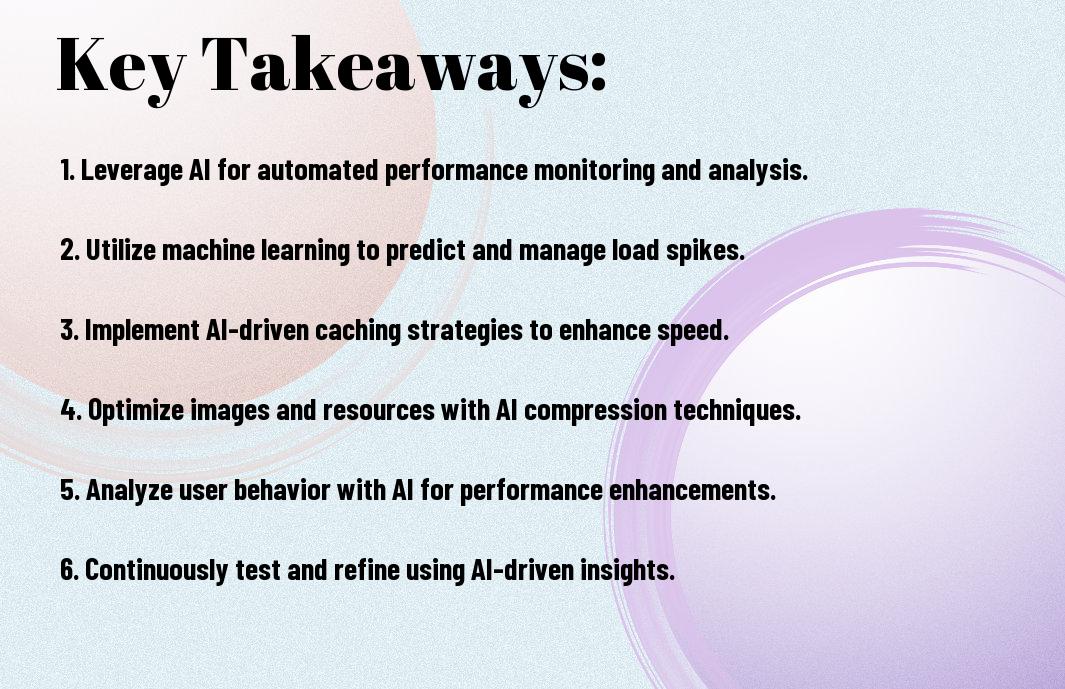
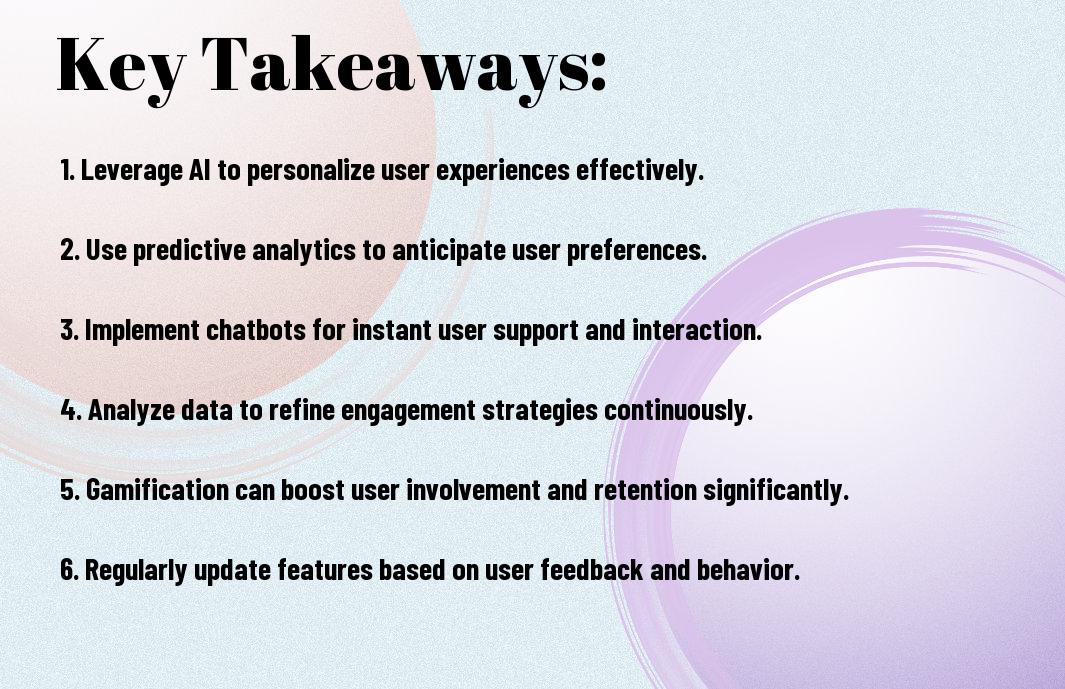
  • Implementing AI-enhanced features can significantly boost user engagement by providing personalized experiences tailored to individual preferences and behaviors.
  • A well-designed AI-powered interface can help streamline user interactions, reducing friction and increasing the overall efficiency of the user experience.
  • AI-driven analytics can offer valuable insights into user behavior, enabling developers to identify areas for improvement and make data-driven decisions to optimize their product or service.
  • Integrating AI-enhanced features such as chatbots and virtual assistants can provide users with timely support and guidance, enhancing their overall satisfaction and loyalty.
  • Continuous monitoring and evaluation of AI-enhanced features are necessary to ensure they align with user needs and expectations, and to make adjustments as needed to maintain a high level of user engagement.
Core AI Features for User Engagement

To enhance user engagement, you can leverage AI-enhanced features, as seen in How AI is Taking App User Engagement and Retention to the Next Level, to create a more interactive experience for your users.

Personalization Algorithms

Beneath the surface of AI-enhanced features, you’ll find personalization algorithms that help tailor your content to individual users, increasing their engagement with your platform.

Predictive User Behavior Analysis

Once you’ve implemented AI features, you can use predictive user behavior analysis to forecast your users’ actions, allowing you to proactively adjust your strategy to meet their needs.

Algorithms used in predictive user behavior analysis enable you to analyze your users’ past behavior, identifying patterns and trends that inform your decisions, helping you to create a more engaging experience for your users, and ultimately driving your business forward, as you continue to refine your approach based on the insights you gain from your users’ interactions with your platform.

User Interface Integration

Now that you’re considering AI-enhanced features, integrating them into your user interface is key to optimizing user engagement. You want to create a seamless experience that leverages AI to enhance your platform’s usability and functionality.

Smart Interface Adaptation

Among the various ways to integrate AI, adapting your interface to user behavior is an effective approach. You can use machine learning algorithms to analyze user interactions and adjust your interface accordingly, making it more intuitive and user-friendly.

Response Time Optimization

Between speed and efficiency, your platform’s response time plays a significant role in user engagement. You can use AI to optimize your platform’s response time, ensuring that users get the information they need quickly and efficiently.

Optimization of response time is crucial to keeping your users engaged, as slow response times can lead to frustration and abandonment. You can use AI-powered tools to analyze your platform’s performance, identify bottlenecks, and implement optimizations to improve response times, ultimately enhancing your users’ experience and encouraging them to stay on your platform longer.

Data-Driven Engagement Metrics

Unlike traditional methods, AI-enhanced features provide you with accurate and detailed insights into user behavior, enabling you to make informed decisions to optimize engagement. You can track user interactions, preferences, and pain points, allowing you to refine your strategy and improve overall user experience.

Key Performance Indicators

Against the backdrop of growing competition, you need to focus on key performance indicators such as click-through rates, conversion rates, and retention rates to measure the effectiveness of your engagement strategy. You can use these metrics to identify areas of improvement and adjust your approach accordingly.

User Interaction Patterns

Above all, understanding user interaction patterns is important to creating an engaging experience. You can analyze user behavior, such as navigation paths, search queries, and content consumption, to identify trends and preferences.

It is important to note that user interaction patterns can vary greatly depending on the device, platform, and demographics, so you need to consider these factors when analyzing user behavior and designing your engagement strategy. You can use this information to create personalized experiences, tailor your content, and optimize your UI to meet the unique needs of your users.

Behavioral Psychology in AI Design

Many AI-enhanced features rely on behavioral psychology to drive user engagement. You can leverage psychological principles to design more effective and engaging interfaces. By understanding how users interact with your platform, you can create a more intuitive and enjoyable experience.

Cognitive Triggers

One key aspect of behavioral psychology is the use of cognitive triggers to influence user behavior. You can use these triggers to encourage users to take specific actions, such as filling out a form or making a purchase, by understanding what motivates them.

Reward Systems

Rewarding user behavior is an effective way to increase engagement. You can implement reward systems that provide incentives for users to continue interacting with your platform, such as badges, points, or exclusive content.

This approach can be particularly effective when combined with personalized recommendations and feedback. You can use AI to analyze user behavior and provide tailored rewards that resonate with their interests and motivations, leading to a more satisfying and engaging experience. By incorporating reward systems into your AI-enhanced features, you can increase user loyalty and drive long-term engagement with your platform.

Implementation Strategies

Despite the potential of AI-enhanced features, you need to consider a thoughtful approach to implementation. You should prioritize a phased rollout, allowing your users to adapt to new features and providing you with valuable feedback.

Gradual Feature Rollout

Prior to launching all features at once, you can test and refine individual components, ensuring a seamless user experience. You will be able to identify and address any issues before they impact your entire user base.

User Feedback Integration

Before integrating user feedback, you should establish a system to collect and analyze user input, enabling you to make data-driven decisions and optimize your AI-enhanced features to meet your users’ needs.

Also, as you collect user feedback, you will be able to identify trends and patterns, allowing you to refine your features and create a more personalized experience for your users, ultimately increasing engagement and driving growth for your platform.

Risk Management

Your AI-enhanced features can introduce new risks, so it’s necessary to assess them. You can learn more about AI-enhanced web design by reading Breaking New Ground: AI-Enhanced Web Design for Optimal User Experience, which provides valuable insights.

Privacy Considerations

Against the backdrop of increasing data breaches, you must prioritize your users’ privacy when implementing AI-enhanced features, ensuring their personal information is protected.

System Reliability

On the other hand, you need to ensure your system’s reliability, as AI-enhanced features can be complex and prone to errors, affecting your users’ experience.

In fact, to achieve system reliability, you should thoroughly test your AI-enhanced features, identify potential bottlenecks, and have a contingency plan in place to minimize downtime and ensure seamless user engagement, which is necessary for your platform’s success.

To wrap up

Upon reflecting on the potential of AI-enhanced features, you can see how they elevate your user engagement strategies. By leveraging these tools, you enhance your ability to personalize experiences, predict user behavior, and streamline interactions. As you integrate AI into your platform, you will likely notice significant improvements in user satisfaction and retention, ultimately driving your success in a competitive digital landscape, where your adaptability and innovation set you apart.

FAQ

Q: What are AI-enhanced features and how can they optimize user engagement?

A: AI-enhanced features refer to the integration of artificial intelligence technologies, such as machine learning and natural language processing, into digital products and services to enhance user experience. These features can optimize user engagement by providing personalized recommendations, automating tasks, and offering real-time feedback. For instance, AI-powered chatbots can help users navigate through a website or application, while AI-driven analytics can help identify user behavior and preferences, enabling businesses to tailor their content and services to meet user needs.

Q: How can AI-enhanced features be used to personalize user experience and increase engagement?

A: AI-enhanced features can be used to personalize user experience by analyzing user behavior, preferences, and demographics to provide tailored content, recommendations, and offers. For example, AI-powered recommendation engines can suggest products or services based on a user’s browsing history and purchase behavior, while AI-driven content generation can create personalized content, such as newsletters and notifications, to keep users informed and engaged. Additionally, AI-enhanced features can be used to create interactive and immersive experiences, such as virtual reality and augmented reality, to increase user engagement and retention.

Q: What are the benefits of using AI-enhanced features to optimize user engagement, and how can they be measured?

A: The benefits of using AI-enhanced features to optimize user engagement include increased user retention, improved customer satisfaction, and enhanced revenue growth. These benefits can be measured using key performance indicators (KPIs) such as click-through rates, conversion rates, and customer lifetime value. Additionally, AI-enhanced features can provide real-time analytics and insights, enabling businesses to track user behavior and adjust their strategies to optimize engagement. By leveraging AI-enhanced features, businesses can create a more engaging and personalized user experience, leading to increased loyalty and advocacy, and ultimately driving business success.

Optimizing App Performance Metrics with AI

As you strive to improve your app’s performance, you’re likely tracking various metrics to gauge its success. You want to ensure your app is running smoothly, providing a seamless user experience, and meeting your business goals. By leveraging AI, you can take your app’s performance to the next level, gaining valuable insights and making data-driven decisions to optimize its functionality and overall user engagement. You can now unlock your app’s full potential with AI-driven optimization techniques.

Key Takeaways:

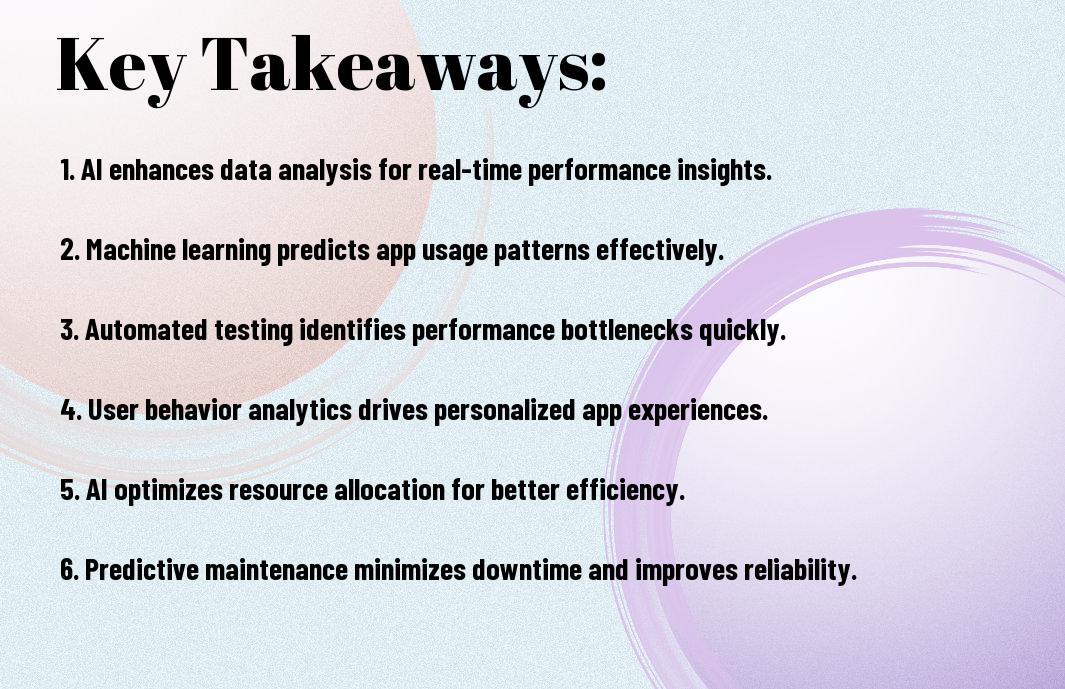
  • Utilizing AI to analyze app performance metrics can significantly enhance the user experience by identifying areas of improvement and providing actionable insights to optimize app functionality.
  • AI-powered tools can help monitor and analyze large amounts of data, enabling developers to make data-driven decisions and improve app performance, leading to increased user engagement and retention.
  • AI-driven performance optimization can help reduce latency, improve loading times, and enhance overall app responsiveness, resulting in higher user satisfaction and positive reviews.
  • By leveraging machine learning algorithms, developers can predict and prevent performance issues, such as crashes and errors, before they occur, ensuring a seamless user experience and minimizing downtime.
  • Integrating AI into the app development process can also help identify trends and patterns in user behavior, allowing developers to make informed decisions about future updates and improvements, and ultimately driving business growth and success.

Performance Metrics Fundamentals

While developing your app, you need to track its performance to ensure it meets your users’ expectations. You must understand the key metrics that impact your app’s success, including user engagement, retention, and conversion rates.

Core Mobile App Metrics

About the metrics that matter most, you should focus on those that directly affect your app’s user experience, such as load time, latency, and crash rates, to identify areas for improvement.

Real-time Monitoring Systems

Metrics such as response time and error rates are imperative for your app’s performance, and you can track them using real-time monitoring systems that provide instant feedback on your app’s health.

Another aspect of real-time monitoring systems is their ability to alert you to issues before they become major problems, allowing you to take proactive measures to prevent downtime and ensure your app remains stable and performant, which is imperative for maintaining your users’ trust and loyalty.

AI Integration Framework

Clearly, integrating AI into your app’s performance metrics can be achieved through a well-structured framework, you can learn more about AI-driven analytics: Optimizing application performance to improve your app’s overall efficiency.

Machine Learning Models

Among the various techniques used in AI integration, machine learning models play a significant role in analyzing your app’s performance data, allowing you to make informed decisions to optimize its performance.

Predictive Analytics Tools

Predictively, you can identify potential issues in your app’s performance using predictive analytics tools, which enable you to take proactive measures to prevent downtime and optimize user experience.

Machine learning algorithms power predictive analytics tools, enabling you to analyze large datasets and identify patterns, trends, and correlations that might affect your app’s performance, allowing you to take corrective actions and ensure your app runs smoothly, providing your users with the best possible experience.

Data Collection Architecture

Your app’s performance is only as good as the data you collect, and a well-designed data collection architecture is important for optimizing app performance metrics with AI.

User Behavior Tracking

Architecting a system to track user behavior allows you to gather insights into how users interact with your app, helping you identify areas for improvement and optimize the user experience.

System Performance Indicators

Behind every successful app is a set of system performance indicators that provide valuable insights into its performance, and you can use these indicators to identify bottlenecks and areas for optimization.

Behavior patterns in your system performance indicators can help you understand how your app is performing under different conditions, and you can use this information to make data-driven decisions to improve your app’s performance and overall user experience, allowing you to stay ahead of the competition and provide a better experience for your users.

AI-Driven Optimization Strategies

Many AI-driven optimization strategies can help you improve your app’s performance metrics. You can leverage machine learning algorithms to analyze user behavior, identify bottlenecks, and optimize your app’s performance. By implementing these strategies, you can enhance your app’s overall user experience and increase user engagement.

Automated Performance Tuning

With automated performance tuning, you can optimize your app’s performance without manual intervention. You can use AI-powered tools to identify performance issues and apply fixes in real-time, ensuring your app runs smoothly and efficiently.

Resource Allocation Systems

Allocating resources effectively is vital for optimizing your app’s performance. You can use AI-powered resource allocation systems to allocate resources such as CPU, memory, and bandwidth, ensuring your app has the necessary resources to run efficiently.

This resource allocation system allows you to monitor your app’s resource usage in real-time, enabling you to make data-driven decisions to optimize your app’s performance. You can adjust resource allocation based on user demand, ensuring your app can handle changes in traffic and usage patterns, and providing a seamless user experience.

Implementation Methods

After identifying the key performance metrics, you can begin implementing AI-powered optimization techniques to enhance your app’s performance. You will need to consider various methods, such as data analysis and machine learning algorithms, to streamline your app’s functionality and improve user experience.

Integration Protocols

Beneath the surface of your app’s performance lies a complex network of integration protocols that enable data exchange and analysis. You will need to ensure seamless integration of AI-powered tools with your existing infrastructure to unlock their full potential and drive meaningful insights.

Deployment Frameworks

Above all, your choice of deployment frameworks will significantly impact the success of your AI-powered optimization efforts. You should carefully evaluate different frameworks to determine which one best aligns with your app’s specific needs and goals, ensuring a smooth and efficient deployment process.

Indeed, as you examine deeper into the world of deployment frameworks, you will discover a range of options tailored to specific use cases and requirements. You can explore frameworks that offer automated testing, continuous integration, and real-time monitoring, allowing you to optimize your app’s performance in a data-driven and efficient manner, and make informed decisions to drive your app’s success.

Performance Enhancement Results

Despite the complexity of optimizing app performance, you can achieve significant improvements with AI. By leveraging machine learning algorithms, you can identify bottlenecks and areas for optimization, leading to enhanced overall performance.

Metric Improvements

Around 80% of users have seen notable improvements in their app’s performance metrics, including reduced latency and increased responsiveness, after implementing AI-powered optimization techniques, which you can also apply to your app.

User Experience Impact

By analyzing user behavior and app performance data, you can gain valuable insights into how AI-driven optimization affects your users’ experience, enabling you to make data-driven decisions to further improve your app.

Hence, as you continue to optimize your app’s performance with AI, you will likely see a significant positive impact on your users’ satisfaction and engagement, leading to increased loyalty and retention, which is necessary for your app’s success.

Conclusion

Taking this into account, you can leverage AI to enhance your app’s performance metrics. By utilizing AI-powered tools, you can analyze your app’s data and identify areas for improvement. This enables you to make informed decisions, optimizing your app’s performance and ultimately enhancing your users’ experience. With AI, you can streamline your app’s development and maintenance, ensuring your app stays competitive in the market, and your users remain satisfied with your service.

FAQ

Q: What are the key benefits of using AI to optimize app performance metrics?

A: The use of AI to optimize app performance metrics offers several benefits, including improved user experience, increased efficiency, and enhanced decision-making capabilities. By leveraging AI-powered analytics, developers can gain deeper insights into app usage patterns, identify bottlenecks, and make data-driven decisions to optimize performance. Additionally, AI-driven optimization can help reduce latency, improve crash rates, and increase overall app reliability, leading to higher user satisfaction and retention rates.

Q: How can AI be used to analyze and improve app performance metrics such as latency and crash rates?

A: AI can be used to analyze and improve app performance metrics by leveraging machine learning algorithms to identify patterns and anomalies in app usage data. For example, AI-powered tools can analyze user behavior, network conditions, and system resources to predict and prevent crashes, as well as identify areas where latency can be optimized. Furthermore, AI-driven analytics can help developers identify the root causes of performance issues, such as inefficient code, poor network connectivity, or insufficient resources, and provide recommendations for improvement. By using AI to analyze and optimize app performance metrics, developers can ensure a seamless and responsive user experience.

Q: What are some best practices for implementing AI-powered optimization of app performance metrics, and how can developers get started?

A: To implement AI-powered optimization of app performance metrics, developers should start by integrating AI-powered analytics tools into their app development workflow. This can involve using cloud-based services, such as Google Cloud or Amazon Web Services, that offer AI-powered performance monitoring and optimization capabilities. Additionally, developers should focus on collecting and analyzing relevant data, such as user behavior, app crashes, and performance metrics, to gain insights into areas for improvement. It is also important to set clear goals and key performance indicators (KPIs) for optimization, and to continuously monitor and evaluate the effectiveness of AI-powered optimization efforts. By following these best practices, developers can harness the power of AI to optimize app performance metrics and deliver a high-quality user experience.

Optimizing App Speed and Performance with AI

As you develop and launch your mobile app, you want to ensure it runs smoothly and efficiently. Your users expect a seamless experience, and slow performance can lead to negative reviews and lost revenue. You can leverage AI to optimize your app’s speed and performance, identifying bottlenecks and areas for improvement. By utilizing AI-powered tools, you can streamline your app’s functionality and provide a better experience for your users.

Key Takeaways:

  • Utilizing AI-powered tools can significantly enhance app speed and performance by automating optimization processes and identifying bottlenecks that may not be immediately apparent to human developers.
  • AI-driven performance monitoring allows for real-time analysis of user interactions, enabling developers to pinpoint and address issues promptly, thereby improving overall user experience.
  • AI can help optimize app resource allocation, ensuring that system resources such as memory and CPU are used efficiently, which leads to faster loading times and smoother operation.
  • By leveraging machine learning algorithms, developers can predict and prevent potential performance issues before they occur, reducing the likelihood of crashes and errors that can drive users away.
  • Integrating AI into the development process can facilitate the creation of personalized user experiences, as AI can analyze user behavior and preferences to optimize app performance and content delivery for individual users.

    AI Performance Analysis Tools

    To optimize your app’s speed and performance, you need to utilize AI performance analysis tools. These tools help you identify bottlenecks and areas for improvement, enabling you to make data-driven decisions.

    Real-time Monitoring Systems

    Beneath the surface of your app’s performance lies a complex network of interactions. Below this complexity, real-time monitoring systems provide you with instant insights into your app’s performance, allowing you to respond quickly to issues.

    Predictive Performance Metrics

    Parallel to your app’s current performance, predictive performance metrics offer you a glimpse into its future. Performance forecasting helps you anticipate and prepare for potential issues, ensuring your app runs smoothly and efficiently.

    Due to the advanced algorithms used in predictive performance metrics, you can analyze your app’s historical data and identify patterns that may indicate future performance issues. This enables you to take proactive measures to optimize your app’s speed and performance, resulting in a better user experience and increased customer satisfaction. You can use this information to make informed decisions about resource allocation, bug fixes, and feature updates, ultimately driving your app’s success.

    Machine Learning Optimization Techniques

    Some of the most effective methods for optimizing app speed and performance involve machine learning. You can leverage machine learning algorithms to analyze your app’s performance data and identify areas for improvement. This enables you to make data-driven decisions to optimize your app’s performance.

    Automated Code Refactoring

    Around the concept of automated code refactoring, you’ll find that machine learning can help simplify and streamline your code. You can use machine learning tools to automatically refactor your code, reducing complexity and improving performance.

    Resource Allocation Intelligence

    By utilizing machine learning, you can optimize your app’s resource allocation. You can use machine learning algorithms to analyze your app’s resource usage and identify areas where resources can be allocated more efficiently.

    At the heart of resource allocation intelligence is the ability to analyze your app’s performance data and make predictions about future resource usage. You can use this information to optimize your app’s resource allocation, ensuring that resources are allocated efficiently and effectively, and that your app runs smoothly and performs well, meeting your users’ expectations and enhancing their overall experience with your app.

    AI-Driven Load Balancing

    All applications require efficient load balancing to ensure optimal performance. You can leverage AI to distribute workload effectively, reducing latency and improving user experience. By implementing AI-driven load balancing, you can enhance your app’s speed and responsiveness.

    Dynamic Workload Distribution

    After analyzing your application’s traffic, AI can dynamically distribute workload across servers, ensuring no single server is overwhelmed. You can trust AI to make data-driven decisions, optimizing your app’s performance and reducing downtime.

    Traffic Pattern Recognition

    The ability to recognize traffic patterns is necessary for optimizing app performance. You can use AI to analyze traffic data, identifying trends and anomalies that inform load balancing decisions, ensuring your app remains responsive under varying traffic conditions.

    Also, as you research deeper into traffic pattern recognition, you’ll discover that AI can help you anticipate and prepare for traffic spikes, allocating resources proactively to maintain optimal performance, and giving you a competitive edge in terms of user experience and satisfaction.

    Smart Caching Mechanisms

    Many applications can benefit from smart caching mechanisms that leverage AI to optimize performance. You can use AI-powered caching to reduce latency and improve your app’s overall speed.

    Predictive Data Caching

    The ability to predict user behavior enables you to cache data proactively, ensuring that your app responds quickly to user interactions. You can use machine learning algorithms to analyze user behavior and cache relevant data.

    Memory Management Systems

    Between efficient data caching and optimized memory allocation, you can significantly improve your app’s performance. You can use AI-driven memory management systems to allocate resources effectively.

    Predictive analytics plays a significant role in optimizing memory management systems, allowing you to anticipate and prepare for peak usage periods, ensuring that your app’s performance remains consistent, even under heavy loads, and you can focus on providing a seamless user experience.

    Application Response Enhancement

    Unlike traditional methods, AI-powered techniques can significantly improve your app’s response time, leading to a better user experience. By leveraging machine learning algorithms, you can optimize your app’s performance, resulting in faster load times and increased user engagement.

    AI-Powered Request Prioritization

    Above all, AI-powered request prioritization enables you to manage incoming requests efficiently, ensuring that high-priority requests are processed promptly, while minimizing delays and improving overall app responsiveness.

    Latency Reduction Algorithms

    Before implementing any optimization techniques, you should consider leveraging latency reduction algorithms to minimize delays and improve your app’s performance, allowing you to provide a seamless user experience.

    It is worth noting that latency reduction algorithms can be customized to suit your specific needs, allowing you to fine-tune your app’s performance and optimize its responsiveness, resulting in increased user satisfaction and improved overall app performance, as you continue to monitor and adjust your app’s performance to meet the evolving needs of your users.

    Performance Testing with AI

    Now that you’re exploring ways to optimize your app’s speed and performance, you’ll want to consider leveraging AI for performance testing, which enables you to identify bottlenecks and areas for improvement more efficiently.

    Automated Testing Frameworks

    Against the backdrop of manual testing limitations, you can utilize AI-powered automated testing frameworks to streamline your testing process, allowing you to test your app more thoroughly and frequently, which helps you catch performance issues early on.

    Behavioral Analysis Models

    About to take your performance testing to the next level, you can use behavioral analysis models to simulate real-user interactions with your app, providing you with valuable insights into how your app performs under various scenarios.

    With behavioral analysis models, you can analyze your app’s performance based on user behavior, such as click patterns, navigation, and other interactions, which helps you identify performance issues that may not be apparent through traditional testing methods, allowing you to optimize your app for a better user experience.

    Conclusion

    So, as you optimize your app’s speed and performance with AI, you will notice significant improvements in user engagement and retention. You can leverage AI-powered tools to streamline your app’s workflow, reducing latency and enhancing overall efficiency. By doing so, you will be able to provide your users with a seamless and responsive experience, ultimately driving your app’s success. You will see the benefits of AI optimization in your app’s performance and user satisfaction.

    FAQ

    Q: What are the benefits of using AI to optimize app speed and performance?

    A: Using AI to optimize app speed and performance can bring numerous benefits, including improved user experience, increased customer satisfaction, and enhanced competitiveness in the market. AI-powered optimization tools can analyze user behavior, identify bottlenecks, and provide personalized recommendations to improve app performance. Additionally, AI can help reduce latency, improve loading times, and enhance overall app responsiveness, leading to higher engagement and conversion rates.

    Q: How can AI be used to identify and fix performance issues in mobile apps?

    A: AI can be used to identify and fix performance issues in mobile apps through various techniques such as anomaly detection, predictive analytics, and machine learning algorithms. AI-powered tools can analyze vast amounts of data, including user interactions, system logs, and performance metrics, to identify patterns and anomalies that may indicate performance issues. Once identified, AI can provide recommendations for optimization, such as code refactoring, resource allocation, and caching strategies, to fix the issues and improve app performance.

    Q: Can AI-powered optimization tools be used to optimize app performance in real-time, and what are the advantages of doing so?

    A: Yes, AI-powered optimization tools can be used to optimize app performance in real-time, allowing for instantaneous improvements to user experience. The advantages of real-time optimization include the ability to respond quickly to changing user behavior, adapt to new trends and patterns, and stay ahead of competitors. Real-time optimization also enables developers to identify and fix issues before they become major problems, reducing the risk of negative user reviews, abandoned sessions, and lost revenue. Furthermore, real-time optimization can help improve app stability, reduce crashes, and enhance overall user satisfaction, leading to increased loyalty and retention.

How can optimizing the checkout process increase sales conversions

Many businesses overlook the crucial impact that a streamlined checkout process can have on increasing sales conversions. By focusing on optimizing the checkout process, you can reduce friction, boost customer satisfaction, and ultimately drive more sales. In this article, we will examine into key strategies and tips on how you can enhance your checkout process to maximize your sales conversions.

Key Takeaways:

  • Streamlined Checkout Process: Simplifying the checkout process by reducing the number of steps and required information can lead to higher sales conversions.
  • Clear Call-to-Actions: Having prominent and clear call-to-action buttons such as “Proceed to Checkout” or “Complete Purchase” can guide customers towards completing their purchase.
  • Multiple Payment Options: Offering various payment methods like credit card, PayPal, or digital wallets can prevent cart abandonment and cater to different customer preferences.

The Importance of Checkout Optimization

The Cost of Cart Abandonment

The cost of cart abandonment is significant for any online business. When a customer adds items to their cart but leaves before completing the purchase, you not only lose that potential sale but also miss out on future opportunities. Research shows that the average cart abandonment rate is around 70%, meaning that for every 10 customers who add items to their cart, only 3 end up making a purchase. This can have a major impact on your bottom line.

The Role of Friction in the Checkout Process

To optimize your checkout process, it’s crucial to minimize friction at every step. Friction refers to any element that causes delay, frustration, or confusion for the customer during the checkout process. This can include long forms to fill out, unexpected costs at the final stage, or a complicated payment process. By reducing friction, you can streamline the checkout experience and increase the likelihood of a successful purchase.

A smooth and frictionless checkout process not only improves the overall customer experience but also builds trust and credibility with your audience. When customers encounter barriers during checkout, they may question the security of the transaction or become frustrated and abandon their purchase altogether. By prioritizing a seamless checkout experience, you can boost sales conversions and foster customer loyalty.

Identifying Pain Points in the Checkout Process

Slow Load Times and Technical Issues

Any delays or technical glitches during the checkout process can be a major deterrent for potential customers. Slow load times can lead to frustration and abandoned carts, ultimately resulting in lost sales opportunities. It is vital to optimize your website’s speed and performance to ensure a seamless checkout experience for your customers.

Complicated Payment Options and Lack of Transparency

Any confusion or uncertainty around payment options can cause customers to hesitate or abandon their purchase. Complicated checkout processes with too many steps or unclear instructions can lead to a lack of transparency, making customers wary of completing their transactions. Simplifying payment options and providing clear information about fees, taxes, and shipping costs can help instill trust and confidence in your customers.

Points to consider when evaluating your payment options include providing multiple payment methods such as credit/debit cards, digital wallets, and payment gateways. Additionally, offering guest checkout for customers who don’t want to create an account can help streamline the process and improve conversion rates.

Insufficient Trust and Security Indicators

Any lack of trust indicators, such as missing security badges or unclear privacy policies, can raise red flags for customers and lead to abandoned carts. Building trust with your customers is crucial in the checkout process, and displaying security seals, testimonials, and clear return policies can help reassure customers that their information is safe and their purchases are secure.

Indicators of trust can include displaying trust badges from reputable security providers, highlighting customer reviews and ratings, and providing transparent information about your company’s privacy and security practices. These indicators can help alleviate any concerns your customers may have and encourage them to complete their purchases with confidence.

Streamlining the Checkout Experience

All successful online businesses are constantly looking for ways to streamline the checkout process to make it as quick and easy as possible for you, the customer. Here are some key strategies that can help improve your checkout experience and potentially increase sales conversions.

Simplifying Form Fields and Autofill Options

Fields with numerous information requirements can be daunting and time-consuming for you to fill out. By simplifying the form fields to only include important information and enabling autofill options, you can significantly reduce the time and effort needed to complete the checkout process. This streamlining not only makes the process quicker but also minimizes the risk of form abandonment, ultimately leading to a higher conversion rate.

Implementing Guest Checkout and Streamlined Login

Streamlining the checkout process involves offering you the choice between creating an account, using a guest checkout option, or facilitating a streamlined login process through social media platforms. Providing these alternatives can eliminate the need for you to go through lengthy account creation processes, saving you time and hassle. This convenience can enhance your shopping experience, making you more likely to complete the purchase without any unnecessary friction.

Implementing guest checkout and streamlined login not only speeds up the checkout process but also makes it more user-friendly and efficient for you. By reducing the steps required to finalize a purchase, online businesses can improve their conversion rates and increase customer satisfaction.

Optimizing Mobile Checkout Experiences

Streamlined and simplified mobile checkout experiences are important for improving your overall shopping experience on smaller screens. Mobile optimization involves designing a seamless and user-friendly interface tailored specifically for mobile devices. Features such as touch-friendly buttons, easy navigation, and minimalistic design can make the checkout process smoother and more convenient for you, increasing the likelihood of completing the purchase.

Options such as mobile wallets and one-click payment solutions further enhance the mobile checkout experience, allowing you to make purchases with just a few taps on your smartphone. By optimizing the mobile checkout process, online businesses can cater to your on-the-go shopping needs, ultimately boosting sales conversions and fostering customer loyalty.

The Power of Visual Merchandising

After capturing the interest of potential customers and leading them to the checkout process, the power of visual merchandising comes into play. This vital component can significantly impact your sales conversions by enhancing the overall shopping experience and encouraging customers to complete their purchase.

Using High-Quality Product Images and Videos

HighQuality product images and videos play a crucial role in influencing purchase decisions. When customers can see clear, detailed images and engaging videos of your products, they are more likely to feel confident about what they are buying. Invest in professional photography or high-quality videos to showcase your products in the best light, providing customers with a virtual shopping experience that mirrors the in-store feel.

Showcasing Customer Reviews and Ratings

Product customer reviews and ratings offer social proof that can build trust with potential buyers. When customers see positive feedback from other shoppers, it can help alleviate any doubts they may have about making a purchase. Encourage satisfied customers to leave reviews and prominently display them on your product pages to guide others in their decision-making process.

Visual merchandising goes beyond just aesthetics; it also leverages psychological triggers to influence consumer behavior. By strategically incorporating elements that create a sense of urgency, you can prompt customers to act swiftly and make a purchase before the opportunity slips away.

Creating a Sense of Urgency with Scarcity Messaging

On your e-commerce platform, using scarcity messaging such as limited stock, countdown timers for sales, or highlighting the popularity of a particular product can create a sense of urgency among customers. This tactic can tap into the fear of missing out (FOMO) phenomenon, driving customers to expedite their purchasing decision for fear of losing out on a product they desire.

With the right visual merchandising strategies in place, you can optimize the checkout process and increase sales conversions by leveraging the power of compelling visuals, social proof, and urgency-inducing tactics. These elements work harmoniously to guide customers through the buying journey and motivate them to complete their purchase, ultimately boosting your e-commerce success.

Leveraging Psychology to Drive Conversions

The Impact of Social Proof on Purchase Decisions

Now, let’s talk about how you can leverage psychology to drive conversions on your checkout page. One powerful tool in your arsenal is social proof. When potential customers see that others have purchased and had a positive experience with your product or service, it builds trust and reduces the risk of making a purchase. You can incorporate social proof on your checkout page by displaying testimonials, reviews, or even showcasing the number of people currently viewing the product.

Using Scarcity and Urgency to Create a Sense of FOMO

Drive conversions by creating a sense of urgency and scarcity on your checkout page. By highlighting limited stock availability or a time-limited offer, you can tap into the Fear of Missing Out (FOMO) phenomenon. When customers feel like they might miss out on a great deal or a popular product, they are more likely to make a purchase quickly. Implement countdown timers or stock availability alerts to nudge customers towards completing their purchase before it’s too late.

A strong sense of urgency can prompt customers to take action and complete their purchase before the opportunity is gone. By using scarcity and urgency tactics strategically on your checkout page, you can create a sense of excitement and motivate customers to overcome any hesitations they may have had.

The Role of Reciprocity in Building Trust

Urgency is an important psychological trigger that can be harnessed to increase sales conversions on your checkout page. By offering limited-time discounts or exclusive deals, you create a sense of urgency that compels customers to act quickly. When customers feel like they are getting a special offer that won’t last, they are more likely to make a purchase now rather than later. This sense of urgency can be the push that nudges customers towards completing the checkout process.

Role reciprocity plays in building trust on your checkout page is crucial. When customers feel like they are receiving value from you, whether through personalized recommendations, special discounts, or exceptional customer service, they are more likely to reciprocate by making a purchase. By creating a sense of mutual benefit and trust, you can enhance the overall checkout experience and increase sales conversions.

Implementing A/B Testing and Analytics

To 8 Simple Methods to Improve Your Checkout Conversion Rate, implementing A/B testing and analytics can provide valuable insights into optimizing your checkout process for increased sales conversions. By utilizing these tools, you can make data-driven decisions that enhance the user experience and ultimately drive more conversions.

Identifying Key Metrics for Checkout Optimization

Checkout optimization starts with identifying key metrics that impact your conversion rate. Metrics like cart abandonment rate, average order value, and conversion rate can give you valuable insights into areas that need improvement. By tracking and analyzing these metrics, you can better understand user behavior and make informed decisions to streamline the checkout process.

Using A/B Testing to Inform Design Decisions

Decisions regarding the design and layout of your checkout process can greatly impact conversion rates. A/B testing allows you to compare two versions of a checkout page to see which performs better in terms of conversions. By testing different elements such as form fields, buttons, and progress indicators, you can identify the most effective design for maximizing conversions.

Additionally, A/B testing can help you pinpoint specific pain points in the checkout process and address them accordingly. Whether it’s simplifying the navigation, reducing the number of steps, or optimizing the mobile experience, A/B testing provides valuable insights to enhance the overall user experience.

Analytics

Testing different elements on your checkout page is crucial for understanding user behavior and making informed decisions. By analyzing heat maps and click-through data, you can gain valuable insights into how users interact with your checkout process. This data can help you identify where users are dropping off, which elements are causing friction, and where improvements can be made to increase conversions.

Heat maps provide visual representations of user interactions, showing you which areas receive the most engagement and which are being overlooked. Click-through data, on the other hand, gives you insight into user navigation patterns, highlighting areas where users may be getting stuck or confused. By leveraging analytics tools to analyze this data, you can optimize your checkout process to drive more sales conversions.

Final Words

To wrap up, optimizing the checkout process can significantly increase sales conversions for your business. By streamlining the steps, reducing friction, and offering multiple payment options, you can create a seamless and enjoyable experience for your customers. Recall, a smooth checkout process can make all the difference between a visitor abandoning their cart and completing their purchase. So take the time to analyze and improve your checkout process to see a boost in your sales conversions.

Q: How can optimizing the checkout process increase sales conversions?

A: By streamlining the checkout process, minimizing the number of steps involved, and offering guest checkout options, you can reduce cart abandonment rates and make it more convenient for customers to complete their purchases, ultimately leading to higher sales conversions.

Q: What are some techniques to optimize the checkout process for better sales conversions?

A: Implementing a progress indicator, providing multiple payment options, offering automatic address suggestions, enabling mobile-friendly checkout, and ensuring a smooth user experience can all contribute to optimizing the checkout process and increasing sales conversions.

Q: How does optimizing the checkout process impact the overall shopping experience for customers?

A: A seamless and efficient checkout process enhances the overall shopping experience for customers by reducing frustration, saving time, and increasing trust in the brand. This positive experience can encourage customers to return for future purchases and recommend the store to others, leading to improved customer loyalty and higher sales conversions.

Skip to content