Uncategorized

Revolutionizing Mobile Development Workflows with AI Tools

As you navigate the complex world of mobile development, you’re likely looking for ways to streamline your workflow and boost productivity. Your development process can be significantly enhanced with the integration of AI tools, allowing you to focus on high-level tasks. You can automate repetitive tasks, improve code quality, and accelerate time-to-market with the right AI-powered solutions, transforming your mobile development experience and taking your apps to the next level.

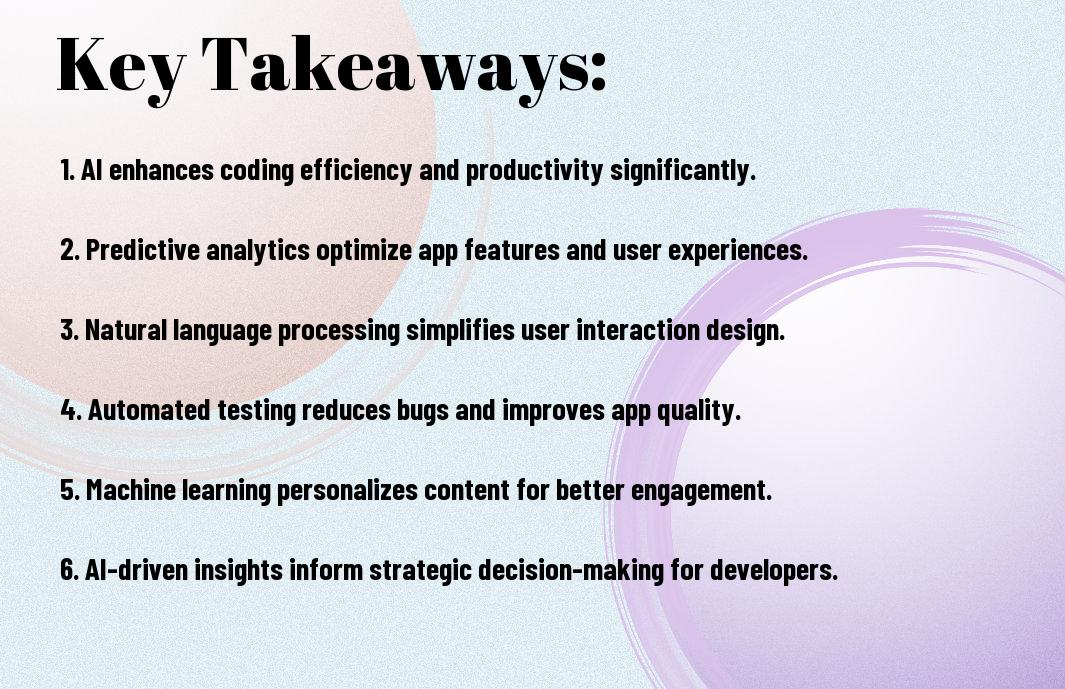
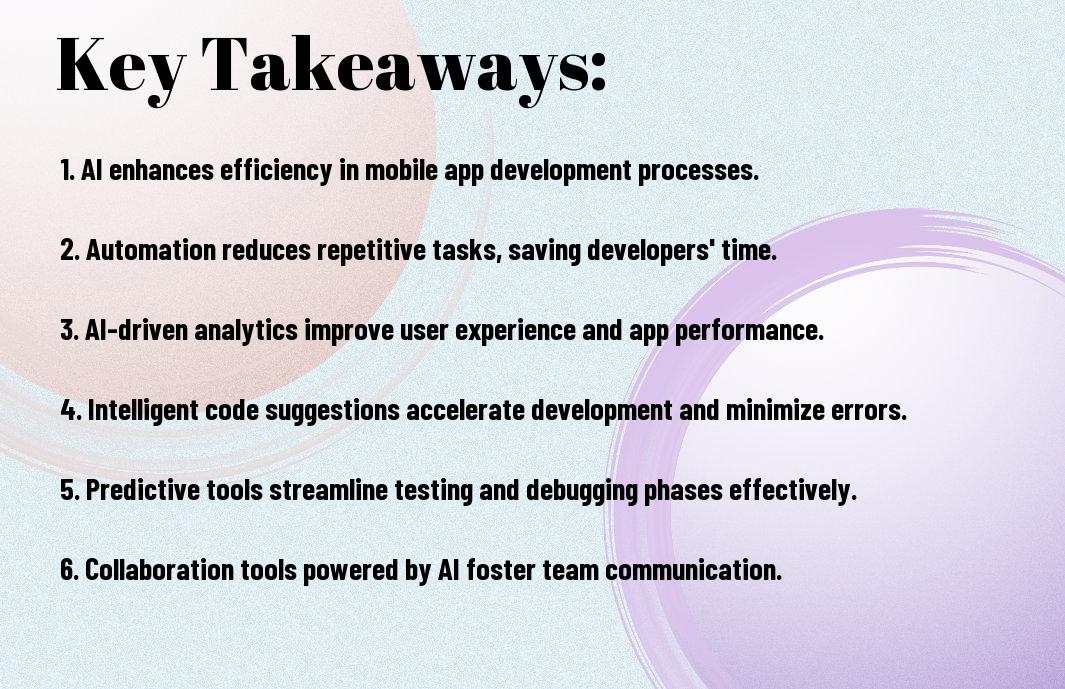
Key Takeaways:

  • AI-powered tools are transforming mobile development workflows by automating repetitive tasks, such as code completion, testing, and debugging, allowing developers to focus on more complex and creative tasks.
  • AI-driven design tools enable developers to create user interfaces and experiences more efficiently, using machine learning algorithms to suggest layouts, colors, and typography based on user behavior and preferences.
  • AI-assisted testing and debugging tools help identify and fix issues faster, reducing the time and effort required to deliver high-quality mobile apps, and enabling developers to iterate and improve their apps more quickly.
  • Integration of AI tools into mobile development workflows can improve collaboration among team members, providing real-time feedback and suggestions, and facilitating more effective communication and decision-making.
  • By leveraging AI tools, mobile developers can accelerate their development cycles, reduce costs, and deliver more innovative and engaging apps that meet the evolving needs and expectations of users, ultimately driving business success and competitive advantage.
AI-Powered Code Generation

To revolutionize your mobile development workflow, you can leverage AI-powered code generation tools. These tools can significantly reduce development time and effort, allowing you to focus on more complex tasks.

Smart Code Completion

Alongside this, you’ll find that smart code completion features can assist you in writing code more efficiently, providing suggestions and auto-completing repetitive tasks.

Automated Testing Solutions

One of the key benefits of AI-powered code generation is the ability to automate testing, enabling you to identify and fix errors quickly, ensuring your app meets the highest standards.

This automated testing solution allows you to run tests continuously, providing you with instant feedback on your code, and enabling you to make data-driven decisions to improve your app’s performance and user experience, ultimately saving you time and resources in the long run, and helping you deliver high-quality apps to your users.

Mobile Development Automation

The integration of AI tools in mobile development automation is transforming the way you work. You can now automate repetitive tasks, streamline your workflow, and focus on more complex aspects of development.

Workflow Optimization

One of the key benefits of AI-powered automation is the ability to optimize your workflow. You can identify bottlenecks and areas for improvement, allowing you to refine your process and increase productivity.

Resource Management

Below the surface of automation lies effective resource management. You can allocate resources more efficiently, ensuring that your team is working on high-priority tasks and maximizing your development budget.

But as you explore deeper into resource management, you’ll find that AI tools can help you make data-driven decisions about resource allocation. You can analyze usage patterns, predict demand, and adjust your resource allocation accordingly, ensuring that your development process is running smoothly and efficiently, and that you’re getting the most out of your resources.

Natural Language Processing Integration

Once again, you can leverage AI tools to streamline your mobile development workflow, this time with natural language processing integration, enabling you to build more intuitive and user-friendly apps.

Voice Command Development

To take your app to the next level, you can utilize voice command development, allowing your users to interact with your app using voice commands, making it more accessible and convenient for them.

Multilingual App Support

To expand your app’s reach, you can implement multilingual support, enabling you to cater to a broader audience and increase your app’s global appeal, making it more attractive to your users.

Consequently, as you support multiple languages in your app, you will be able to tap into new markets and demographics, allowing you to grow your user base and increase your revenue, giving you a competitive edge in the mobile development market, and enabling you to provide a more personalized experience for your users.

Machine Learning for UX/UI

Unlike traditional design methods, machine learning enables you to create personalized and adaptive user interfaces, enhancing your overall mobile development workflow. You can leverage machine learning algorithms to analyze user interactions and preferences, resulting in more intuitive and engaging UX/UI designs.

Predictive Design Patterns

One of the key benefits of machine learning in UX/UI is the ability to identify predictive design patterns, allowing you to anticipate and address potential user needs. You can use this insight to inform your design decisions and create more effective, user-centered designs.

User Behavior Analytics

To gain a deeper understanding of your users’ behavior, you can utilize machine learning-powered analytics tools, providing you with valuable insights into user interactions and preferences. You can then use this data to refine your UX/UI designs and improve the overall user experience.

Considering the wealth of information available through user behavior analytics, you can make data-driven decisions to optimize your mobile app’s performance, identify areas for improvement, and create a more seamless user experience. You can analyze user behavior, track engagement metrics, and adjust your design strategy accordingly, ultimately leading to increased user satisfaction and loyalty.

Cross-Platform Development

Despite the complexity of developing for multiple platforms, AI tools can simplify your workflow, allowing you to create seamless user experiences across various devices.

Unified Code Base

Bridging the gap between different platforms, you can maintain a unified code base, making it easier to manage and update your applications, and ensuring consistency across all devices.

Platform-Specific Optimization

Based on your project’s requirements, you can optimize your application for specific platforms, leveraging AI tools to fine-tune performance, graphics, and overall user experience.

The optimization process for each platform involves tailoring your application to meet the unique specifications and capabilities of each device, ensuring that your users enjoy a smooth and intuitive experience, regardless of the platform they choose to use, and you can achieve this with the help of AI-powered tools that analyze and adjust your code accordingly, saving you time and effort in the development process.

Performance Enhancement Tools

For mobile developers, optimizing app performance is a top priority, and AI-powered tools can help you achieve this goal by identifying bottlenecks and areas for improvement, enabling you to create faster, more efficient, and more reliable applications.

Real-time Monitoring

Realistically, monitoring your app’s performance in real-time is necessary to ensure a seamless user experience, and with AI-driven tools, you can track key metrics, such as latency, crashes, and user engagement, allowing you to make data-driven decisions to improve your app’s performance.

Automated Debugging

Debugging your code can be a time-consuming task, but with AI-powered tools, you can automate this process, freeing up more time for you to focus on developing new features and improving your app’s overall quality, as these tools can quickly identify and fix errors, saving you time and effort.

Understanding how automated debugging works can help you maximize its benefits, and as you probe deeper into this technology, you will discover that it uses machine learning algorithms to analyze your code, detect patterns, and predict potential issues, enabling you to resolve problems before they affect your users, and with this knowledge, you can optimize your debugging process, making it more efficient and effective, allowing you to deliver high-quality apps that meet your users’ expectations.

Summing up

As a reminder, you can streamline your mobile development workflows by leveraging AI tools, enhancing your overall productivity. You will be able to automate repetitive tasks, focus on complex problems, and deliver high-quality apps faster. To learn more about the impact of AI on app development, you can visit How AI Is Revolutionizing App Development to discover new ways to improve your development process and take your mobile apps to the next level.

FAQ

Q: What are the benefits of using AI tools in mobile development workflows?

A: The integration of AI tools in mobile development workflows can significantly enhance productivity, efficiency, and accuracy. AI-powered tools can automate repetitive tasks, provide predictive analytics, and offer real-time feedback, allowing developers to focus on high-level tasks and improve overall application quality. Additionally, AI-driven tools can help identify and fix bugs, optimize code, and streamline the testing process, resulting in faster time-to-market and reduced development costs.

Q: How do AI tools improve the user experience in mobile app development?

A: AI tools can greatly enhance the user experience in mobile app development by providing personalized and intuitive interfaces, predictive user behavior analysis, and automated testing. AI-powered chatbots and virtual assistants can help developers create more engaging and interactive user interfaces, while machine learning algorithms can analyze user behavior and preferences to inform design decisions. Furthermore, AI-driven testing tools can simulate real-world user scenarios, identifying and fixing usability issues before the app is released, ensuring a seamless and enjoyable user experience.

Q: What are the future implications of AI in mobile development workflows, and how can developers prepare for these changes?

A: The future of mobile development workflows will be heavily influenced by AI, with potential implications including increased automation, augmented reality integration, and enhanced cybersecurity. To prepare for these changes, developers should focus on acquiring skills in AI and machine learning, such as natural language processing, computer vision, and deep learning. Additionally, developers should stay up-to-date with the latest AI-powered tools and platforms, participate in online communities and forums, and explore emerging trends and technologies, such as edge AI and Explainable AI (XAI), to stay ahead of the curve and capitalize on the opportunities presented by AI-driven mobile development workflows.

Future-Proofing Your Application – Integrating AI Models for Long-Term Success

As you develop your application, you’re likely considering how to ensure its longevity and adaptability in an ever-evolving technological landscape. You want your application to stay relevant and competitive, and integrating AI models can be a key factor in achieving this goal. By incorporating AI, you can enhance your application’s capabilities, improve user experience, and position your business for long-term success. You’ll be able to leverage AI-driven insights and automation to drive innovation and growth.

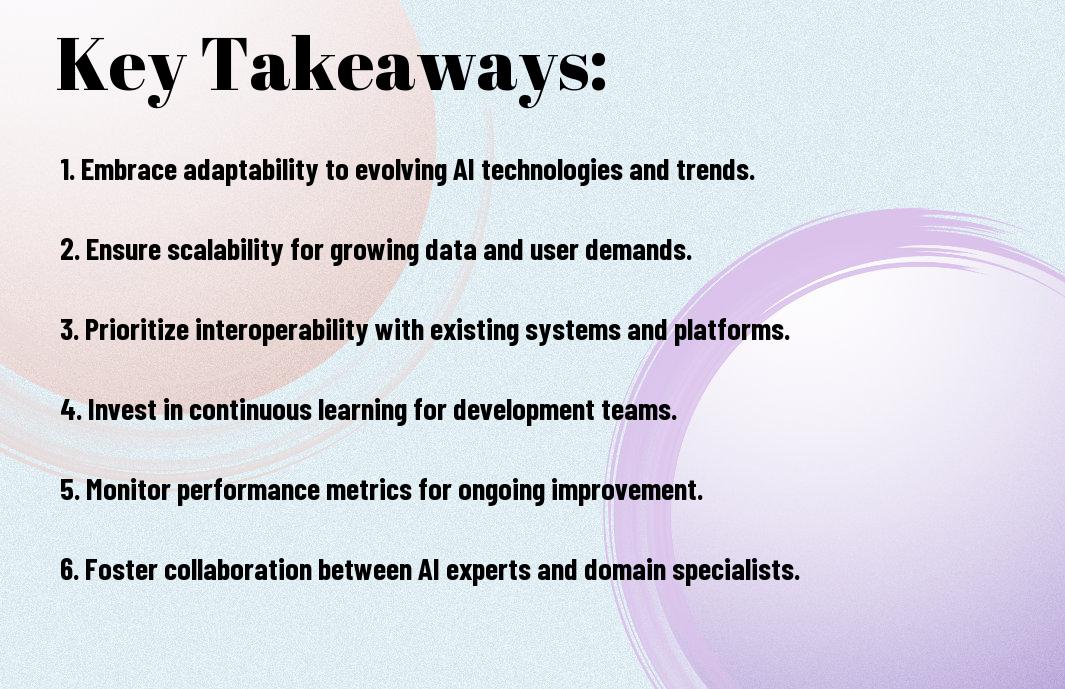
Key Takeaways:

  • Integrating AI models into your application can significantly enhance its ability to adapt to changing user needs and market conditions, ensuring long-term success and relevance.
  • AI-driven applications can automate routine tasks, freeing up resources for more strategic and creative endeavors, and leading to increased efficiency and productivity.
  • By leveraging AI, applications can provide personalized experiences for users, leading to higher engagement and satisfaction rates, as well as improved customer retention and loyalty.
  • Future-proofing an application with AI requires ongoing monitoring and evaluation of emerging trends and technologies, allowing for timely updates and adjustments to stay ahead of the competition.
  • Effective integration of AI models also involves addressing potential ethical and regulatory considerations, such as data privacy and bias, to maintain trust and compliance in the application’s operation.

AI Integration Fundamentals

Before integrating AI models into your application, you need to understand the basics of AI and its potential applications. You should assess your current infrastructure and identify areas where AI can bring the most value to your business.

Model Selection Criteria

Integrating the right AI model is imperative for your application’s success. You will need to evaluate different models based on factors such as accuracy, complexity, and compatibility with your existing infrastructure to ensure seamless integration.

Scalability Requirements

For your AI-powered application to be successful, you need to consider scalability from the outset. You should design your infrastructure to handle increased traffic and data processing demands as your application grows.

Fundamentals of scalability requirements involve planning for potential growth and ensuring that your AI model can handle increased loads without compromising performance. You should consider factors such as data storage, processing power, and network bandwidth to ensure that your application can scale efficiently and effectively, meeting your growing needs and expectations.

Technical Architecture Design

The technical architecture design of your application plays a significant role in future-proofing it with AI models. You need to consider a design that allows for flexibility and scalability to accommodate evolving AI technologies.

Modular AI Components

Modifying your application to incorporate modular AI components enables you to update and replace individual components without affecting the entire system, allowing you to adapt to changing AI landscapes.

API Integration Points

Componentizing your application’s architecture enables you to create well-defined API integration points, making it easier to integrate AI models and ensuring seamless communication between different components of your application.

Points of integration are important when designing your application’s architecture, as you will be working with various AI models and technologies. You should consider how these points will be used to connect your application with external AI services, allowing you to leverage the latest advancements in AI and machine learning, and ensuring your application stays up-to-date and competitive in the market.

Data Pipeline Strategy

Unlike traditional approaches, a well-planned data pipeline strategy is important for integrating AI models into your application, enabling you to make data-driven decisions and drive long-term success.

Data Collection Framework

About the data you collect, it’s important to establish a framework that ensures quality, relevance, and consistency, allowing you to build a robust foundation for your AI models and inform your application’s development.

Processing Infrastructure

Driven by the need for efficient data processing, you’ll need to design an infrastructure that can handle large volumes of data, providing you with the scalability and flexibility required to support your application’s growth.

Consequently, as you develop your processing infrastructure, you’ll want to consider factors such as data storage, computational power, and network bandwidth, ensuring that your system can handle the demands of your AI models and provide you with the insights you need to drive your application forward.

Model Lifecycle Management

Your application’s AI models require ongoing management to ensure their effectiveness and adaptability, this involves monitoring, updating, and refining them over time to maintain their performance and accuracy.

Version Control Systems

Among the crucial tools for model lifecycle management are version control systems, which allow you to track changes and collaborate with your team, enabling you to manage different versions of your models and maintain a record of updates and modifications.

Update Mechanisms

Behind every successful AI model is a well-planned update mechanism, which enables you to modify and refine your models as new data becomes available, ensuring they continue to perform optimally and adapt to changing conditions.

Also, when implementing update mechanisms, you should consider factors such as data drift, model degradation, and concept drift, which can impact your model’s performance over time, and develop strategies to address these challenges and ensure your models continue to deliver accurate results.

Performance Optimization

All applications require ongoing performance optimization to ensure they continue to meet your needs. You will need to monitor and adjust your application regularly to maintain its performance and efficiency.

Resource Allocation

One key aspect of performance optimization is allocating your resources effectively. You should prioritize tasks and allocate resources accordingly to maximize your application’s performance and efficiency.

Load Balancing

Any imbalance in your application’s load can significantly impact its performance. You can use load balancing techniques to distribute the workload evenly and ensure your application runs smoothly.

Optimization of load balancing is vital to ensure your application can handle increased traffic or demand. You can achieve this by continuously monitoring your application’s performance and making adjustments as needed to ensure optimal load balancing, which will help you to improve your application’s overall performance and user experience.

Security and Compliance

Now that you’re integrating AI models into your application, you should consider visiting Three Key Concepts to Build Future-Proof AI Applications to ensure long-term success.

Data Protection Measures

After implementing AI, you need to prioritize data protection to safeguard your users’ information and maintain their trust in your application.

Regulatory Adherence

Among the various aspects of security and compliance, adhering to regulations is vital to avoid legal repercussions and reputational damage, so you must ensure your application meets all necessary standards.

This involves staying up-to-date with the latest regulatory requirements and adapting your application accordingly, which you can achieve by regularly monitoring updates and consulting with experts to guarantee your application’s compliance and security, thereby protecting your users and your business.

Final Words

Drawing together the insights from integrating AI models, you now have a solid foundation to future-proof your application. You can leverage AI to drive long-term success, enhancing your product’s capabilities and staying ahead of the competition. By incorporating AI, you ensure your application remains relevant, efficient, and adaptable to evolving user needs, ultimately securing your position in the market and driving your business forward.

FAQ

Q: What are the benefits of integrating AI models into my application for future-proofing?

A: Integrating AI models into your application can provide numerous benefits for long-term success, including enhanced user experience, improved decision-making capabilities, and increased efficiency. AI models can help analyze large amounts of data, identify patterns, and make predictions, allowing your application to adapt to changing user needs and market trends. Additionally, AI-powered applications can automate routine tasks, freeing up resources for more strategic and creative endeavors. By incorporating AI models, you can stay ahead of the competition and ensure your application remains relevant and effective in the ever-evolving digital landscape.

Q: How can I ensure the AI models I integrate into my application are scalable and flexible for long-term success?

A: To ensure the AI models you integrate into your application are scalable and flexible, it’s crucial to consider several factors. First, choose AI models that are cloud-based and can handle increased traffic and data volumes. Second, select models that are modular and can be easily updated or replaced as new technologies emerge. Third, implement a microservices architecture that allows for seamless integration and deployment of new AI models. Finally, establish a robust testing and validation framework to ensure the AI models continue to perform optimally as your application evolves. By taking these steps, you can create a scalable and flexible AI-powered application that can adapt to changing user needs and technological advancements.

Q: What are the key considerations for maintaining and updating AI models in my application to ensure long-term success?

A: Maintaining and updating AI models in your application is vital to ensure long-term success. Key considerations include regularly monitoring model performance, updating models with new data and algorithms, and retraining models as needed. It’s also crucial to establish a data management strategy that ensures the quality, accuracy, and relevance of the data used to train and update AI models. Additionally, consider implementing a human-in-the-loop approach, where human feedback and oversight are used to validate AI model outputs and identify areas for improvement. By prioritizing model maintenance and updates, you can ensure your AI-powered application continues to deliver value to users and drive business success over time.

Harnessing AI Models to Transform App Development

As you explore into the world of app development, you’re likely aware of the potential that artificial intelligence (AI) holds. You can leverage AI models to streamline your development process, making it more efficient and effective. Your apps can benefit from AI-driven features, such as enhanced user experience and personalized interfaces. By embracing AI, you can stay ahead of the competition and create innovative solutions that meet your users’ evolving needs, transforming the way you approach app development altogether.

Key Takeaways:

  • Integrating AI models into app development can significantly enhance the speed and efficiency of the development process, allowing for faster time-to-market and improved overall quality.
  • AI-powered tools can automate routine tasks, such as coding and testing, freeing up developers to focus on more complex and creative aspects of app development.
  • AI-driven analytics can provide valuable insights into user behavior and preferences, enabling developers to create more personalized and engaging user experiences.
  • AI models can help identify and mitigate potential security risks and vulnerabilities in apps, ensuring a more secure and reliable user experience.
  • By leveraging AI in app development, businesses can gain a competitive edge in the market, drive innovation, and unlock new revenue streams through data-driven decision making.

    AI Models in Modern App Development

    To stay ahead in the app development game, you need to leverage AI models that can transform your development process, enabling you to create more efficient and user-friendly apps.

    Core Machine Learning Components

    The foundation of AI models lies in machine learning components, which you can utilize to build, train, and deploy models that drive your app’s functionality and improve user experience.

    Neural Network Integration

    Across various industries, you can integrate neural networks into your app development process, allowing you to create complex models that can learn from data and make predictions or decisions.

    Neural networks are a key aspect of AI models, and as you probe deeper into their integration, you’ll discover how they can be used to analyze data, recognize patterns, and make informed decisions, ultimately enhancing your app’s performance and user engagement, and you can use this technology to stay competitive in the market and deliver innovative solutions to your users.

    Development Workflow Transformation

    If you’re looking to revolutionize your app development process, AI models can help. By leveraging AI, you can streamline your workflow, reduce manual labor, and increase productivity, ultimately leading to faster time-to-market and improved overall quality.

    Traditional vs AI-Enhanced Methods

    Although traditional methods have their place, AI-enhanced methods offer significant advantages. You can expect enhanced efficiency, accuracy, and scalability, allowing you to focus on high-level tasks and strategic decision-making, while AI handles the more mundane aspects of development.

    Automated Code Generation

    Along with the benefits of AI-enhanced development, automated code generation is a key area where you can save time and resources. You can use AI to generate boilerplate code, automate repetitive tasks, and even create entire applications, freeing you up to focus on more complex and creative aspects of development.

    And as you explore deeper into automated code generation, you’ll find that AI can help you generate high-quality, readable, and well-documented code, reducing the risk of errors and bugs, and making it easier for your team to collaborate and maintain the codebase over time, allowing you to develop more complex and sophisticated applications, and ultimately, driving your business forward with increased speed and agility.

    Smart Testing and Quality Assurance

    Many developers are turning to AI models to streamline their testing and quality assurance processes, enabling you to identify and fix errors more efficiently. By leveraging AI, you can automate testing, reduce manual labor, and improve the overall quality of your app.

    AI-Driven Testing Frameworks

    Beneath the surface of traditional testing methods, AI-driven testing frameworks offer you a more efficient and effective way to test your app, allowing you to focus on higher-level tasks. You can utilize AI to generate test cases, simulate user interactions, and identify potential issues.

    Predictive Error Detection

    With the power of AI, you can detect errors before they occur, saving you time and resources. You can use machine learning algorithms to analyze your app’s performance, identify patterns, and predict potential errors, enabling you to take proactive measures to prevent them.

    To take full advantage of predictive error detection, you need to integrate AI models into your development pipeline, allowing you to analyze data from various sources, such as user feedback, crash reports, and performance metrics. By doing so, you can gain valuable insights into your app’s behavior, anticipate potential issues, and make data-driven decisions to improve your app’s overall quality and reliability.

    Performance Optimization

    Keep in mind that AI models can significantly enhance your app’s performance, and you can learn more about this by checking out Harnessing the Power of AI in Mobile App Development to improve your development skills.

    Resource Management

    Optimizing your app’s resources is key to ensuring seamless performance, and you can achieve this by leveraging AI to streamline your development process and allocate resources more efficiently.

    User Experience Enhancement

    Around every aspect of your app, you can use AI to enhance user experience, from personalized recommendations to intuitive interfaces, ultimately leading to increased user engagement and satisfaction.

    Performance is further elevated when you consider the user experience enhancement aspect of AI integration, as you can use machine learning algorithms to analyze user behavior and preferences, allowing you to make data-driven decisions to improve your app’s overall usability and appeal to your target audience.

    Security and Risk Management

    Unlike traditional development methods, AI models can help you identify and mitigate potential security risks in your app. You can learn more about Harnessing AI for Enhanced User Experience to improve your app’s overall security.

    AI-Based Threat Detection

    Along with AI-powered tools, you can detect and respond to threats in real-time, protecting your app from potential breaches and cyber attacks, allowing you to focus on development.

    Automated Security Protocols

    Threat detection is enhanced with automated security protocols, enabling you to implement robust security measures that safeguard your app and its users, giving you peace of mind.

    Considering automated security protocols, you can ensure that your app is protected from various threats, and you can focus on developing new features and improving user experience, as AI models handle security concerns, providing you with a secure and reliable development environment.

    Deployment and Scaling

    Once again, you’ll need to consider how your AI models will be deployed and scaled to meet the demands of your app. You’ll want to ensure that your models can handle increased traffic and user engagement without compromising performance.

    Intelligent Cloud Integration

    Among the key considerations for deploying AI models is integrating them with cloud services that can provide the necessary infrastructure and support. You’ll need to evaluate your options and choose a cloud provider that can meet your needs and help you scale your app efficiently.

    Dynamic Resource Allocation

    After you’ve deployed your AI models, you’ll need to allocate resources dynamically to ensure optimal performance. You’ll want to monitor your app’s usage and adjust your resource allocation accordingly to prevent bottlenecks and ensure a seamless user experience.

    Another aspect of dynamic resource allocation is the ability to automatically scale up or down to match changing demand. You can use machine learning algorithms to predict usage patterns and adjust your resource allocation in advance, ensuring that your app is always performing at its best and providing your users with a responsive and engaging experience.

    Final Words

    As a reminder, you now have the power to revolutionize your app development process by harnessing AI models. You can streamline your workflow, enhance user experience, and stay ahead of the competition. By leveraging AI, you will be able to create innovative and efficient apps that meet your users’ evolving needs, ultimately transforming your development process and taking your business to the next level, with your apps becoming more intuitive, responsive, and successful.

    FAQ

    Q: What are the benefits of harnessing AI models in app development, and how can they transform the process?

    A: Harnessing AI models in app development can significantly enhance the process by automating repetitive tasks, improving code quality, and reducing development time. AI-powered tools can analyze large datasets, identify patterns, and provide insights that can inform design decisions, leading to more user-friendly and efficient apps. Additionally, AI-driven testing and debugging can help identify and fix errors, resulting in higher-quality apps with fewer bugs. By leveraging AI models, developers can focus on high-level tasks, such as strategy and creativity, and create more innovative and effective apps.

    Q: How can AI models be integrated into the app development process, and what are the key considerations for successful implementation?

    A: AI models can be integrated into various stages of the app development process, including design, development, testing, and deployment. To successfully implement AI models, developers should first identify areas where AI can add value, such as data analysis, user experience, or automation. They should then select the most suitable AI tools and frameworks for their specific needs and ensure that their development team has the necessary skills and training to work with AI. It’s also crucial to consider factors like data quality, security, and ethics to ensure that AI models are used responsibly and effectively.

    Q: What are the potential challenges and limitations of using AI models in app development, and how can developers mitigate these risks?

    A: While AI models can bring numerous benefits to app development, there are also potential challenges and limitations to consider. One of the main risks is the reliance on high-quality data, as AI models are only as good as the data they’re trained on. Additionally, AI models can be complex and difficult to interpret, making it challenging to identify and fix errors. To mitigate these risks, developers should ensure that they have access to high-quality data, use transparent and explainable AI models, and continuously monitor and test their AI-powered apps. They should also be aware of potential biases in AI models and take steps to address them, such as using diverse and inclusive training data. By being aware of these challenges and taking steps to address them, developers can harness the power of AI to create more innovative, efficient, and effective apps.

What are the primary goals of promoting an ebook online

Most writers create ebooks with the goal of sharing their knowledge, stories, or expertise with the world. But once your ebook is ready, how do you ensure it reaches the right audience? Promoting your ebook online is key to its success. In this blog post, you will discover the primary goals of promoting an ebook online and how to effectively achieve them. By utilizing the power of digital marketing, social media, and strategic partnerships, you can increase visibility, attract readers, and ultimately achieve your desired outcomes.

Key Takeaways:

  • Increased Visibility: Promoting an ebook online helps increase its visibility to a larger audience, leading to more potential readers.
  • Lead Generation: By marketing an ebook, you can generate leads by capturing valuable information from interested readers.
  • Establish Authority: Promoting an ebook can help establish the author’s authority in their field by showcasing their expertise and knowledge.

Defining Ebook Promotion

What is Ebook Promotion?

To effectively promote an ebook online means to strategically market and advertise it to a targeted audience through various digital channels. This involves creating buzz around your ebook, generating interest, and ultimately driving sales or downloads. Ebook promotion encompasses a wide range of activities such as social media marketing, email campaigns, content marketing, search engine optimization (SEO), and more.

Why Promote an Ebook Online?

Ebook promotion is crucial to ensure that your ebook reaches its intended audience and doesn’t get lost in the vast sea of online content. By promoting your ebook online, you increase its visibility, reach a larger audience, and build credibility as an author or expert in your field. Additionally, online promotion can lead to higher sales or downloads, helping you achieve your goals and maximize the impact of your ebook.

Promotion of your ebook online is crucial for its success. Without proper promotion, your ebook may not gain the attention it deserves, and all your hard work creating it could go unnoticed. By effectively promoting your ebook online, you can increase its visibility, attract more readers, and ultimately achieve your desired outcomes, whether they be sales, brand awareness, or establishing yourself as an authority in your niche.

Increasing Visibility

Assuming you’ve written an ebook, the next step is to make sure it gets the attention it deserves. Increasing visibility is crucial to reaching your target audience and driving sales. Here are some strategies to help you boost your ebook’s online presence:

Building an Online Presence

Building a strong online presence is necessary for promoting your ebook effectively. This involves creating a professional website or landing page where readers can learn more about your ebook, its benefits, and where to purchase it. Blogging about topics related to your ebook can also help attract readers interested in your niche.

Leveraging Social Media Platforms

Platforms such as Facebook, Twitter, Instagram, and LinkedIn offer excellent opportunities to connect with your audience and promote your ebook. By regularly posting engaging content, sharing sneak peeks or quotes from your ebook, and interacting with your followers, you can generate buzz and curiosity around your book.

Leveraging social media platforms allows you to reach a wider audience and drive traffic to your website or online store where your ebook is available for purchase.

Collaborating with Influencers and Bloggers

Partnering with influencers and bloggers in your industry can significantly increase your ebook’s visibility. These individuals have established credibility and a loyal following, making them valuable allies in promoting your book. By reaching out to influencers for reviews, guest blog posts, or social media shoutouts, you can tap into their audience and expand your reach.

With the help of influencers and bloggers, you can gain access to a larger audience that trusts their recommendations, ultimately leading to more exposure and potentially higher sales for your ebook.

Generating Buzz

Your ebook is a work of art that deserves to be celebrated and shared with the world. Generating buzz around your ebook can help create anticipation and excitement among your target audience. This chapter will focus on key strategies to promote your ebook effectively and generate the buzz it deserves.

Crafting Compelling Book Descriptions

Crafting a compelling book description is crucial in catching the attention of potential readers. Your book description should be concise, engaging, and highlight what makes your ebook unique. Use captivating language to convey the essence of your book and entice readers to learn more. Consider including keywords relevant to your target audience to improve visibility in online searches.

Creating Engaging Book Covers

One of the first things that potential readers will notice about your ebook is its cover. An eye-catching book cover can draw readers in and make a strong first impression. Invest time and resources in creating a professional and visually appealing cover that accurately represents the content of your ebook. Bear in mind, a well-designed book cover can significantly impact the success of your ebook by attracting more readers.

This subsection will provide you with tips and best practices for designing a visually compelling book cover. A striking cover that reflects the tone and genre of your ebook can pique the interest of potential readers browsing online platforms. Consider enlisting the help of a professional designer to ensure your book cover stands out and aligns with industry standards.

Writing Effective Press Releases

To garner attention for your ebook launch, consider writing and distributing press releases to relevant media outlets. A well-crafted press release can generate buzz, attract media coverage, and reach a broader audience. Highlight the unique selling points of your ebook, such as key themes, innovative ideas, or noteworthy endorsements, to capture the interest of journalists and potential readers.

To maximize the impact of your press release, personalize your pitches to different media outlets and tailor your messaging to resonate with each audience. Include relevant details such as release date, availability, and where readers can purchase your ebook to make it easy for journalists to cover your story. Bear in mind, a compelling press release can elevate your ebook launch and generate buzz that drives sales and visibility.

Building an Audience

Many authors and publishers understand that building an audience is crucial for the success of promoting an ebook online. By reaching the right readers and creating a community around your ebook, you can generate interest, increase sales, and establish a loyal fan base.

Identifying and Targeting the Right Readers

For your ebook promotion efforts to be effective, you need to identify and target the right readers who are interested in your genre or niche. Understanding your target audience’s demographics, interests, and online behavior can help you tailor your marketing strategies to reach them effectively.

Building an Email List and Newsletter

Readers who sign up to receive updates from you via email are highly engaged and interested in your work. Building an email list allows you to communicate directly with your audience, share exclusive content, and promote your ebook launch or special promotions. Sending out a regular newsletter can help you stay connected with your readers and keep them excited about your upcoming projects.

A well-curated email list is a valuable asset for any author or publisher looking to promote their ebook online. By providing value through your newsletters and building a personal connection with your subscribers, you can turn casual readers into dedicated fans who eagerly anticipate your next release.

Creating a Community Around Your Ebook

One of the most powerful ways to promote your ebook online is by creating a community of like-minded readers who share a passion for your work. By fostering a sense of belonging and offering exclusive access to behind-the-scenes content or discussions, you can turn readers into advocates who help spread the word about your ebook.

This sense of community not only benefits your current ebook promotion efforts but also sets a strong foundation for future projects. By building relationships with your audience and involving them in your creative process, you can create a loyal fan base that continues to support your writing endeavors for years to come.

Driving Sales

Keep in mind that driving sales for your ebook involves strategic planning and execution. One key way to entice potential customers is by offering discounts and promotions.

Offering Discounts and Promotions

To captivate your audience and boost sales, consider offering limited-time discounts or promotions. This can create a sense of urgency and encourage readers to make a purchase sooner rather than later. You can also partner with other brands or websites to run joint promotions, expanding your reach and potentially attracting new customers.

Utilizing Amazon and Other Online Retailers

Offering your ebook on platforms like Amazon and other online retailers can significantly increase your visibility and credibility. These platforms have a wide audience base actively looking for new reads, providing you with the opportunity to tap into a ready-made market. By leveraging their marketing tools and algorithms, you can potentially reach a broader audience than you could on your own.

With the vast number of users browsing online marketplaces like Amazon daily, you have the chance to significantly boost your ebook’s discoverability and reach a global audience. By optimizing your ebook’s listing with relevant keywords and categories, you can increase the chances of it being recommended to interested readers, ultimately driving more sales.

Creating a Sales Funnel

Offering a seamless and engaging sales funnel can help guide potential customers through the buying process. By structuring your marketing efforts to lead customers from awareness to interest, desire, and finally, action, you can increase the likelihood of conversion. Utilize strategies like email marketing, social media campaigns, and targeted advertisements to nurture leads and encourage them to make a purchase.

It is imperative to analyze and refine your sales funnel continuously to optimize the conversion rate and enhance the overall customer experience. By understanding the buyer’s journey and addressing their needs at each stage, you can create a more effective sales funnel that drives sales and builds customer loyalty.

Measuring Success

Tracking Website Analytics

One way to measure the success of promoting your ebook online is by tracking your website analytics. In The Ultimate Guide to eBook Marketing: Strategies for 2024, you can learn more about the importance of monitoring your website’s performance to understand how visitors are interacting with your ebook content.

Monitoring Social Media Insights

Website analytics provide valuable insights into the performance of your ebook promotion efforts, but monitoring social media insights can give you a deeper understanding of your audience’s engagement. This involves tracking metrics such as likes, shares, comments, and click-through rates on platforms like Facebook, Twitter, and LinkedIn.

This data can help you determine which social media channels are most effective for promoting your ebook and which types of content resonate best with your audience. By analyzing these insights, you can refine your social media strategy to optimize your ebook promotion efforts.

Analyzing Ebook Sales and Reviews

Media

Analytics

Summing up

Taking this into account, the primary goals of promoting an ebook online are to increase visibility and awareness, reach a wider audience, build credibility and authority in your niche, and ultimately drive sales and generate revenue. By utilizing various online marketing strategies such as social media promotion, email marketing, content marketing, and search engine optimization, you can effectively promote your ebook and increase its chances of success.

Q: What are the primary goals of promoting an ebook online?

A: The primary goals of promoting an ebook online include increasing visibility and awareness of the ebook, generating leads and building an audience, and ultimately driving more sales and revenue for the ebook.

Q: How can promoting an ebook online help increase visibility and awareness?

A: Promoting an ebook online through various channels such as social media, email marketing, and collaborations with influencers can help reach a larger audience and increase visibility for the ebook among potential readers.

Q: What strategies can be used to promote an ebook online and achieve sales goals?

A: Some effective strategies for promoting an ebook online and achieving sales goals include offering free previews or samples, running promotional campaigns and discounts, optimizing keywords for search engines, and leveraging email marketing to nurture leads and convert them into customers.

How can social media platforms be used to promote an ebook

Social media has the power to be a game-changer when it comes to promoting your ebook and reaching a wider audience. By leveraging platforms like Facebook, Instagram, Twitter, and LinkedIn, you can create buzz around your book, engage with your followers, and ultimately drive sales. In this guide, you will discover the key strategies and tactics to effectively use social media to boost your ebook’s visibility and maximize its impact. So, let’s explore how you can harness the potential of social media to elevate your ebook to new heights.

Key Takeaways:

  • Engage with your audience: Interact with followers, join relevant groups, and respond to comments to build a community around your ebook.
  • Create compelling content: Share excerpts, behind-the-scenes looks at the writing process, and visuals that entice users to learn more about your ebook.
  • Collaborate with influencers: Partner with influencers in your niche to reach a larger audience and gain credibility for your ebook.

Identifying Your Target Audience

Who are your ideal readers?

Readers, before you can effectively promote your ebook on social media platforms, you need to understand who your ideal audience is. Consider the demographics of your target readers such as age, gender, location, profession, and interests. By identifying these key characteristics, you can tailor your social media marketing strategies to reach the right audience.

What are their interests and pain points?

Points, understanding the interests and pain points of your target audience is crucial for promoting your ebook successfully. Take the time to research what topics resonate with them, what challenges they face, and how your ebook can provide solutions or valuable insights. By aligning your messaging with their interests and addressing their pain points, you can create compelling social media content that resonates with your audience.

For instance, if you have written an ebook on personal finance targeted towards young professionals, you may discover that your audience is interested in budgeting tips, investment strategies, and overcoming debt. Their pain points could include feeling overwhelmed by financial decisions or lacking the knowledge to secure their financial future. By showcasing how your ebook offers practical advice and actionable steps to improve their financial well-being, you can capture the attention of your target audience on social media platforms.

Choosing the Right Social Media Platforms

Some social media platforms are more effective than others when it comes to promoting an ebook. It’s necessary to select the right platforms based on where your target audience spends their time online. Here are a few key platforms to consider:

Facebook: The largest social media platform

Social media is all about connecting with your audience, and Facebook provides an excellent platform to do just that. With over 2 billion active users, Facebook allows you to reach a vast audience and engage with them through posts, groups, and paid advertising. You can create a dedicated page for your ebook and share content, host events, and run targeted ads to promote it effectively.

Twitter: The micro-blogging giant

Twitter is known for its fast-paced, real-time nature, making it perfect for promoting your ebook with quick updates, links, and hashtags. You can engage with your audience, participate in relevant conversations, and reach a large number of users by leveraging trending topics and Twitter chats. For instance, you can create a tweet thread highlighting key points from your ebook or participate in book-related hashtags to increase visibility.

For instance, you can create a tweet thread highlighting key points from your ebook or participate in book-related hashtags to increase visibility.

Instagram: Visual storytelling for ebook promotion

Right now, Instagram is one of the most popular social media platforms for visual content, making it an excellent choice for promoting your ebook through engaging images and videos. You can create visually appealing posts, stories, and IGTV videos to showcase your ebook cover, quotes, and behind-the-scenes glimpses of your writing process. Utilizing relevant hashtags and collaborating with influencers or bookstagrammers can also help you expand your reach and attract new readers.

Media: Utilizing relevant hashtags and collaborating with influencers or bookstagrammers can also help you expand your reach and attract new readers.

LinkedIn: Professional networking for authors

Choosing LinkedIn for promoting your ebook can be beneficial if your target audience includes professionals, educators, or individuals interested in industry-specific content. You can share updates about your ebook, publish articles on related topics, and engage with a professional community through comments and networking. LinkedIn’s robust analytics and advertising options also allow you to track your ebook promotion efforts and reach a niche audience effectively.

Visual: LinkedIn’s robust analytics and advertising options also allow you to track your ebook promotion efforts and reach a niche audience effectively.

Creating Engaging Content

Crafting compelling headlines and captions

On social media, the first thing that catches a reader’s attention is the headline or caption. Your headline should be snappy, intriguing, and make the reader want to click through to learn more. Keep it concise but compelling, and make sure it accurately represents the content of your ebook. Similarly, captions for your posts should be engaging and provide a sneak peek into what your ebook is all about.

Using eye-catching visuals and graphics

One of the most effective ways to grab your audience’s attention on social media is by using eye-catching visuals and graphics. Visual content is more likely to be shared, liked, and engaged with than text-only posts. Make sure your graphics are on-brand, visually appealing, and relevant to the content of your ebook. High-quality images, infographics, or videos can help to make your posts stand out in a crowded social media feed.

The use of eye-catching visuals and graphics is crucial to pique the interest of your audience and encourage them to engage with your content. Visual elements not only break up the text but also add depth and interest to your posts, making them more shareable and memorable.

Writing concise and informative summaries

Using concise and informative summaries in your social media posts is key to capturing your audience’s attention. Summarize the main points or benefits of your ebook in a clear and concise way, making sure to highlight what sets it apart from others in the market. Use bullet points or short paragraphs to make your content easy to read and digest.

With attention spans getting shorter, it’s important to communicate your message effectively and efficiently. By providing concise and informative summaries, you are more likely to hook your audience and entice them to learn more about your ebook.

Sharing behind-the-scenes content

Captions

Sharing behind-the-scenes content on social media gives your audience a glimpse into the process of creating your ebook. This could include sneak peeks of the writing process, interviews with the author, or insights into the research that went into the book. By sharing this type of content, you humanize your brand and build a connection with your audience, making them more likely to be interested in your ebook.

Graphics

Building a Community

Creating a Facebook group or LinkedIn community

After you have established your presence on social media platforms, it’s time to build a community around your ebook. One effective way to do this is by creating a Facebook group or LinkedIn community dedicated to discussions related to your ebook’s topic. By providing a space for like-minded individuals to connect and engage with each other, you can cultivate a loyal following of readers who are eager to share and promote your ebook.

Hosting Twitter chats and Q&A sessions

Building a sense of community around your ebook can also involve hosting Twitter chats and Q&A sessions. This interactive approach allows you to engage directly with your audience, answering their questions, and providing valuable insights related to your ebook. By creating a dialogue with your readers in real-time, you can strengthen relationships and generate buzz around your ebook.

A Twitter chat is a scheduled conversation around a specific topic using a designated hashtag. During the chat, participants can join in by using the hashtag to ask questions, share opinions, and connect with others interested in the same subject matter. Hosting regular Twitter chats related to your ebook can help you foster a community of engaged readers who are excited to participate and spread the word about your content.

Collaborating with influencers and fellow authors

For a wider reach and increased credibility, consider collaborating with influencers and fellow authors in your ebook’s niche. By partnering with individuals who have a strong following or expertise in your field, you can tap into their audience and leverage their influence to promote your ebook. Whether it’s through guest blog posts, joint social media campaigns, or collaborative events, working with influencers and fellow authors can help you expand your reach and connect with new readers.

Collaborating with influencers and fellow authors not only exposes your ebook to a broader audience but also adds credibility to your work. By associating your brand with respected and influential figures in your industry, you can enhance your reputation and attract more readers who trust the recommendations of those they follow.

Encouraging user-generated content and reviews

The success of your ebook promotion efforts can also be amplified by encouraging user-generated content and reviews. By incentivizing readers to share their thoughts, experiences, and feedback about your ebook on social media, you can create a buzz around your work and generate authentic word-of-mouth recommendations. Positive reviews and user-generated content not only help increase visibility but also build trust with potential readers who value peer recommendations.

The key to encouraging user-generated content and reviews is to create engaging and shareable experiences that resonate with your audience. Whether through contests, storytelling prompts, or interactive polls, finding creative ways to inspire your readers to share their thoughts about your ebook can help you drive organic promotion and cultivate a community of loyal supporters.

Running Effective Social Media Campaigns

Despite the vast number of users on social media platforms, running an effective social media campaign requires strategic planning and execution. To promote your ebook successfully, you need to leverage the advertising features available on different platforms to reach your target audience effectively.

Launching a Facebook ad campaign

Launching a Facebook ad campaign can be a powerful tool to promote your ebook to a specific audience. With Facebook’s robust targeting options, you can narrow down your audience based on interests, demographics, and behavior. By crafting compelling ad copy and creative visuals, you can capture the attention of potential readers scrolling through their feeds.

Utilizing Twitter Ads and promoted tweets

On Twitter, you can utilize Twitter Ads to target users based on their interests and demographics. Promoted tweets can help your ebook reach a larger audience and increase visibility. By using engaging visuals and concise messaging, you can drive traffic to your ebook landing page and generate interest among Twitter users.

Media

Twitter Ads can also help you target users who are already interested in similar books or topics related to your ebook. By promoting tweets that highlight the unique selling points of your ebook, you can pique the curiosity of potential readers and encourage them to learn more.

Leveraging Instagram’s shopping feature

Instagram’s shopping feature allows you to tag products, including your ebook, in your posts. By creating visually appealing posts that showcase your ebook and including a direct link to purchase, you can drive conversions directly from the platform. Leveraging Instagram’s shopping feature can help you tap into the platform’s highly engaged user base and increase ebook sales.

campaign

Additionally, you can use Instagram Stories to provide sneak peeks of your ebook content and create a sense of exclusivity among your followers. By adding interactive elements such as polls or quizzes, you can boost engagement and generate buzz around your ebook launch.

Running a social media contest or giveaway

Utilizing social media contests or giveaways is an excellent way to generate excitement and increase visibility for your ebook. By asking participants to like, share, or comment on your posts to enter the contest, you can expand your reach and attract new followers. Offering a free copy of your ebook as a prize can incentivize participation and create buzz around your book launch.

Leveraging

Running a social media contest or giveaway not only helps increase brand awareness but also allows you to grow your email list and build a community of engaged readers. By incorporating relevant hashtags and encouraging user-generated content, you can spark conversations around your ebook and foster a sense of community among your audience.

Measuring Success and Tracking Progress

Setting up analytics and tracking tools

Analytics play a crucial role in measuring the success of your social media efforts in promoting your ebook. By setting up tools like Google Analytics or social media platform insights, you can track key metrics such as website traffic, engagement rates, and conversions. These tools provide valuable data that can help you understand which social media channels are driving the most traffic and which strategies are yielding the best results.

Monitoring engagement rates and conversions

One of the important aspects of tracking progress is monitoring engagement rates and conversions. Engagement rates can give you insights into how well your audience is responding to your content, while conversion tracking allows you to see how many users are taking the desired action, such as downloading your ebook or signing up for your email list.

The ability to measure engagement and conversion rates gives you a clear picture of the effectiveness of your social media promotion efforts. You can identify which posts are resonating with your audience and which ones are falling flat, allowing you to adjust your strategy accordingly.

Adjusting your strategy based on data insights

The tracking of analytics and conversion data provides you with invaluable insights that can help you optimize your social media promotion strategy. By analyzing this data, you can identify trends, patterns, and areas for improvement. For example, if you notice that a particular type of content is generating a high engagement rate, you can focus more on creating similar content in the future.

Another benefit of tracking data is the ability to make real-time adjustments to your strategy. If you see that a certain campaign is not performing as expected, you can quickly pivot and allocate resources to more successful tactics. This agile approach can help you optimize your ebook promotion efforts and maximize your results.

Using A/B testing to optimize content

Monitoring the performance of different content variations through A/B testing can provide valuable insights into what resonates best with your audience. By testing different elements such as headlines, images, or call-to-action buttons, you can determine which components drive the highest engagement and conversion rates.

Tracking the results of A/B tests allows you to refine your content strategy and continuously improve the effectiveness of your social media promotion efforts. By iteratively testing and optimizing your content, you can ensure that your ebook receives maximum exposure and drives the highest possible conversions.

Summing up

As a reminder, using social media platforms to promote your ebook can significantly increase its visibility and reach. By strategically utilizing platforms like Facebook, Twitter, and Instagram, you can engage with your target audience, build credibility, and drive traffic to your ebook. Remember the tips and strategies outlined in Part Two: Promoting Your Ebook on Social Media to make the most of these opportunities.

With a coherent social media plan tailored to your target audience’s preferences, you can effectively market your ebook and see a boost in sales and downloads. By consistently engaging with your followers, sharing valuable content, and utilizing various multimedia formats, you can create a strong online presence for your ebook, leading to increased visibility and success in the digital marketplace.

FAQ

Q: How can social media platforms be used to promote an ebook?

A: Social media platforms can be used to promote an ebook in various ways. You can create engaging posts about the ebook, share excerpts or quotes, and run targeted ads to reach your audience. Creating a dedicated hashtag for the ebook and collaborating with influencers can also help increase visibility.

Q: Which social media platforms are best for promoting an ebook?

A: The choice of social media platforms for promoting an ebook depends on your target audience. Facebook is great for reaching a wider audience, while Instagram is ideal for visual content. Twitter can be used for short and engaging updates, and LinkedIn is suitable for professional and business-related ebooks.

Q: How can I engage with my audience through social media to promote my ebook?

A: Engaging with your audience is key to promoting your ebook effectively. You can host Q&A sessions, share behind-the-scenes content, run contests or giveaways, and interact with comments and messages. Encouraging user-generated content related to the ebook can also help create a buzz around it.

Skip to content