Virtual

From Chatbots To Virtual Sales Assistants – The Evolution Of AI In Sales

As you explore the latest trends in sales technology, you’ll notice a significant shift towards artificial intelligence (AI). You’re likely familiar with chatbots, but your sales strategy is about to get a major upgrade. With the emergence of virtual sales assistants, you can expect a more personalized and efficient sales experience. You’ll be able to streamline your workflow, enhance customer interactions, and boost your bottom line. Let’s look into the evolution of AI in sales and how it can benefit your business.

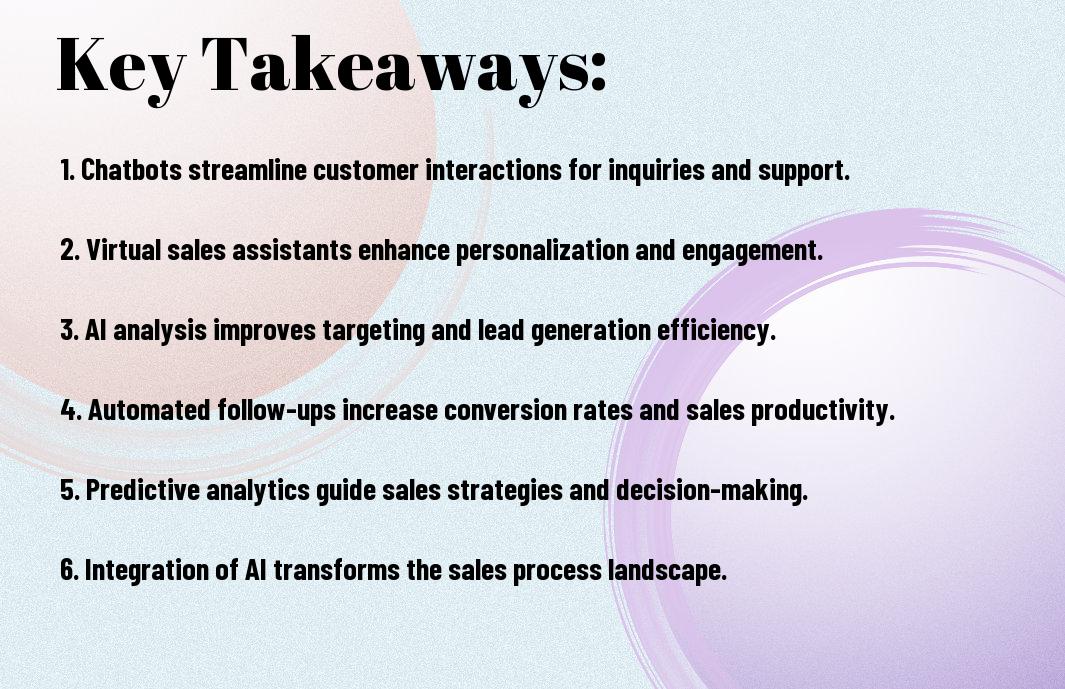
Key Takeaways:

  • The integration of AI in sales has transformed the way businesses interact with customers, evolving from basic chatbots to sophisticated virtual sales assistants that can handle complex inquiries and provide personalized support.
  • Virtual sales assistants can analyze customer data and behavior to offer tailored product recommendations, increasing the likelihood of successful sales and enhancing the overall customer experience.
  • The evolution of AI in sales enables businesses to automate routine tasks, freeing up human sales representatives to focus on high-value activities such as building relationships and closing deals, ultimately driving revenue growth and improving sales performance.
The Rise of Sales Automation

The evolution of AI in sales has led you to a point where automation is becoming increasingly prevalent, and as you explore this trend, you can learn more about it from resources like The Rapid Evolution of AI Assistants: From Chatbots to Agents, which sheds light on the advancements in the field.

Early Chatbot Systems

For your understanding of how chatbots began, it’s imperative to note that the first systems were relatively simple and focused on basic interactions, laying the groundwork for more complex AI systems that you see today.

Rule-based Customer Interactions

Early on, customer interactions with chatbots were governed by predefined rules, limiting the scope of conversations, and as you research deeper, you’ll find that these rules were the foundation upon which more sophisticated AI models were built.

At this stage, you’re likely wondering how these rule-based systems functioned, and the answer lies in their ability to process user inputs and generate responses based on a set of predetermined conditions, allowing you to see the potential for automation in sales and customer service, even in the early days of AI development.

Natural Language Processing Revolution

Now, as you explore the evolution of AI in sales, you’ll notice a significant shift with the advent of natural language processing (NLP). This technology enables machines to understand and interpret human language, paving the way for more sophisticated sales tools.

Conversational AI Development

Deploying advanced algorithms, you can create conversational AI that simulates human-like interactions, allowing your customers to engage with your brand in a more personalized way.

Context-aware Responses

One key aspect of NLP is its ability to generate context-aware responses, enabling your sales assistants to provide more accurate and relevant information to your customers.

For instance, when a customer asks a follow-up question, your sales assistant can draw upon previous conversations to provide a more informed and personalized response, making the interaction feel more natural and intuitive for you and your customers.

AI-Powered Sales Intelligence

For businesses, leveraging AI-powered sales intelligence is key to staying ahead of the competition. You can gain valuable insights into your customers and prospects, enabling you to make informed decisions and drive sales growth.

Predictive Analytics

Besides providing real-time data, predictive analytics helps you forecast sales trends and identify potential opportunities. You can use this information to adjust your sales strategy and optimize your pipeline.

Customer Behavior Mapping

Insightfully, understanding your customers’ behavior is imperative to delivering personalized experiences. You can use customer behavior mapping to analyze their interactions and preferences, allowing you to tailor your approach and improve engagement.

It enables you to identify patterns and trends in customer behavior, helping you to anticipate their needs and deliver targeted solutions. You can use this information to develop effective sales strategies and improve your overall customer experience, ultimately driving loyalty and revenue growth for your business.

Virtual Sales Assistants

Keep in mind that virtual sales assistants are revolutionizing the sales process by providing personalized support to your customers. They can help you manage leads, qualify prospects, and even close deals, making your sales process more efficient and effective.

Lead Qualification Systems

Beneath the surface of virtual sales assistants lies a sophisticated lead qualification system that helps you identify high-potential leads and prioritize your efforts accordingly. You can use this system to analyze customer data and behavior, allowing you to make informed decisions about your sales strategy.

Automated Follow-ups

Quintvitally, automated follow-ups are a key feature of virtual sales assistants, enabling you to stay on top of leads and nurture them through the sales funnel. You can set up automated email campaigns, reminders, and notifications to ensure that you never miss an opportunity to engage with your potential customers.

For instance, you can use automated follow-ups to send personalized emails to leads who have abandoned their shopping carts or haven’t responded to your initial outreach. This helps you to re-engage them and increase the chances of conversion, ultimately driving more sales and revenue for your business. You can also use analytics to track the effectiveness of your automated follow-ups and make adjustments to optimize your strategy.

Human-AI Collaboration

All sales teams can benefit from the integration of AI, as it enhances your sales process and improves overall performance. You can leverage AI to automate routine tasks, analyze data, and provide personalized customer experiences.

Sales Team Augmentation

With the help of AI, you can augment your sales team’s capabilities, enabling them to focus on high-value tasks such as building relationships and closing deals. You can use AI to provide your team with real-time insights and data-driven recommendations.

Performance Optimization

After implementing AI in your sales process, you can optimize your team’s performance by identifying areas of improvement and streamlining your sales strategy. You can use AI to analyze your sales data and provide actionable insights to inform your decisions.

For instance, you can use AI to analyze your sales pipeline and identify bottlenecks, allowing you to adjust your strategy and improve your conversion rates. You can also use AI to track your team’s performance and provide personalized coaching and training to help them improve their skills and close more deals.

Future of AI Sales Technology

Your business can benefit from the latest advancements in AI sales technology, as seen in the evolution from chatbots to virtual sales assistants, which you can learn more about in From Chatbots to AI Virtual Assistants: The Evolution of Customer Service.

Emotional Intelligence Integration

Above all, the integration of emotional intelligence into AI sales technology will enable you to better understand your customers’ needs and provide more effective support.

Personalization at Scale

Future advancements in AI will allow you to personalize your sales approach at scale, enabling you to tailor your interactions with each customer.

Even as AI technology continues to evolve, you can expect to see significant improvements in personalization, enabling you to build stronger relationships with your customers and drive more sales, by leveraging data and analytics to create highly targeted and effective sales strategies that meet the unique needs of each individual customer.

Summing up

Considering all points, you can see how AI has transformed sales with chatbots and virtual sales assistants. You now have a clearer understanding of the evolution of AI in sales, and how it can enhance your sales strategy. With this knowledge, you can leverage AI to streamline your sales process, improving your overall customer experience and driving business growth, making your sales efforts more efficient and effective.

FAQ

Q: What is the role of chatbots in the evolution of AI in sales?

A: Chatbots have played a significant part in the evolution of AI in sales, initially serving as basic tools for automating customer interactions. They were primarily used for handling simple queries, providing product information, and helping with basic customer support. Over time, their capabilities have expanded to include more complex tasks, such as personalized product recommendations and lead qualification, laying the groundwork for the development of more sophisticated virtual sales assistants.

Q: How do virtual sales assistants differ from traditional chatbots?

A: Virtual sales assistants are more advanced than traditional chatbots, equipped with AI technologies like machine learning and natural language processing. These capabilities enable them to understand customer needs more deeply, offer personalized solutions, and engage in more human-like conversations. Unlike chatbots, which are often limited to predefined responses, virtual sales assistants can analyze customer behavior, preferences, and purchase history to provide tailored advice and support throughout the sales process.

Q: What benefits do businesses gain from integrating virtual sales assistants into their sales strategies?

A: Businesses that integrate virtual sales assistants into their sales strategies can experience several benefits, including enhanced customer engagement, improved conversion rates, and increased efficiency. Virtual sales assistants can operate around the clock, providing 24/7 support and ensuring that potential customers always have access to the information they need. Additionally, by automating routine tasks, virtual sales assistants free up human sales teams to focus on higher-value activities, such as building relationships and closing deals.

Q: How can virtual sales assistants be customized to meet the specific needs of different businesses?

A: Virtual sales assistants can be highly customized to fit the unique needs and branding of different businesses. This customization can involve integrating the assistant with existing CRM systems, tailoring the language and tone to match the company’s voice, and programming it to promote specific products or services. Furthermore, advanced analytics can be used to continuously improve the assistant’s performance, ensuring it aligns with the business’s evolving sales strategies and customer engagement goals.

Q: What does the future hold for the evolution of AI in sales, particularly concerning virtual sales assistants?

A: The future of AI in sales is expected to be marked by significant advancements in virtual sales assistants, with a focus on even greater personalization, integration with emerging technologies like augmented reality, and enhanced analytical capabilities. As AI technologies continue to evolve, virtual sales assistants are likely to become even more sophisticated, potentially incorporating emotional intelligence and empathy to build deeper connections with customers. This evolution will further blur the lines between human and automated sales interactions, offering customers seamless, intuitive, and highly effective sales experiences.

How can hosting a virtual book launch event help in promoting an ebook

Over the digital horizon lies a realm of endless possibilities to showcase your literary creation – hosting a virtual book launch event can be your gateway. By bringing together readers from all corners of the web, you can generate buzz, attract new audiences, and boost your ebook sales. In this guide, immerse yourself in the art of virtual storytelling and learn how you can harness the power of online events to propel your ebook to new heights. Embrace the digital stage, let your words soar, and watch as your book captivates the cyber world.

Key Takeaways:

  • Wider Reach: Hosting a virtual book launch event allows for a larger audience reach as location restrictions are eliminated.
  • Engagement: Virtual book launch events can help create a sense of community and interaction among readers, authors, and participants through live chats and Q&A sessions.
  • Promotion and Visibility: By leveraging social media and online platforms for a virtual book launch event, authors can effectively promote their ebook and increase its visibility.

The Benefits of Virtual Book Launch Events

Increased Global Reach

Reach a wider audience with a virtual book launch event. By hosting your event online, you can connect with readers from all around the world. Whether your audience is in different time zones or continents, a virtual book launch ensures that anyone with an internet connection can join in and celebrate your ebook.

Cost-Effective Promotion

Virtual book launch events are a cost-effective way to promote your ebook. You can save money on venue rentals, catering, and travel expenses typically associated with traditional book launch events. Instead, invest your resources in creating a captivating online experience that will engage your audience and generate buzz around your ebook.

Additionally, by eliminating the need for physical materials like posters or flyers, you can focus on digital marketing efforts that can have a broader reach and be more environmentally friendly.

Flexibility and Convenience

Any time, anywhere – that’s the beauty of hosting a virtual book launch event. You have the flexibility to schedule your event at a time that works best for you and your audience. Whether you’re an early bird or a night owl, you can choose the perfect time to connect with your readers and make your ebook launch a memorable experience.

It doesn’t matter if you’re in your pajamas or halfway across the world; a virtual book launch event offers unparalleled convenience for both you and your audience. You can engage with readers from the comfort of your own home while still creating a meaningful and impactful connection with them.

Building Anticipation and Hype

Pre-Event Teasers and Sneak Peeks

There’s nothing quite like the thrill of anticipation before a big event. By teasing your audience with sneak peeks and hints about what they can expect at your virtual book launch, you can build excitement and curiosity. Share snippets of the ebook, behind-the-scenes glimpses of your writing process, or even introduce intriguing characters that readers will meet in your book.

Author Interviews and Q&A Sessions

With author interviews and Q&A sessions leading up to your virtual book launch, you can create a personal connection with your audience. Share insights into your inspirations, writing journey, and the themes explored in your ebook. Engage with your readers by answering their burning questions and giving them a glimpse into the mind of the creator behind the book.

Peeks into the author’s world can make readers feel more invested in your work and eager to discover more during the actual launch event.

Social Media Contests and Giveaways

PreEvent giveaways and contests on social media platforms can generate buzz and excitement for your ebook launch. Encourage your audience to participate by sharing your event or creating user-generated content related to your book. You could offer exclusive sneak peeks, signed copies of the ebook, or even a chance to be a character in your next story as prizes.

Building anticipation through contests not only increases engagement but also spreads the word about your upcoming event to a wider audience.

Creating an Immersive Experience

Interactive Panels and Discussions

With virtual book launch events, you have the opportunity to host interactive panels and discussions with authors, industry experts, and readers from all over the world. These panels can research into the themes and characters of your ebook, providing valuable insights and creating a deeper connection with your audience. You can also include Q&A sessions where readers can participate and engage with the content on a more personal level.

Live Readings and Performances

Panels aren’t the only way to immerse your audience in the world of your ebook. Live readings and performances can bring your story to life in a whole new way. Whether it’s the author reading a passage from the book or a theatrical performance based on key scenes, these live elements can captivate your audience and make your virtual book launch event unforgettable.

Interactive readings and performances can add a dynamic and engaging element to your virtual book launch event, allowing participants to experience your ebook in a whole new light. You can invite actors, voice artists, or even musicians to collaborate and create a multisensory experience that will leave a lasting impression on your audience.

Virtual Book Signings and Meet-and-Greets

With virtual book launch events, you can also offer virtual book signings and meet-and-greets with the author. Using video conferencing tools, you can interact with your readers in real-time, answer their questions, and personalize signed copies of your ebook for them. This personal touch can make readers feel special and connected to you and your work.

The ability to engage with your audience directly, even in a virtual setting, can help you build a loyal fan base and establish a deeper connection with readers. Virtual book signings and meet-and-greets can create a memorable experience for your audience and leave them excited to probe your ebook.

Leveraging Technology for Maximum Impact

Once again, technology comes to the rescue when it comes to hosting a virtual book launch event. Leveraging technology will help you reach a wider audience and create a memorable experience for your readers.

Choosing the Right Virtual Event Platform

Any successful virtual book launch event starts with choosing the right platform. Look for virtual event platforms that offer features like customizable branding, interactive elements, and easy registration processes to ensure a smooth and engaging experience for your audience.

Utilizing Video and Audio Tools

Impact your audience by utilizing video and audio tools to enhance your virtual book launch event. Consider pre-recorded author readings, live Q&A sessions, or even guest appearances to keep your audience engaged and entertained throughout the event.

A visually appealing event with high-quality video and clear audio will leave a lasting impression on your audience and make your virtual book launch event more memorable.

Integrating Social Media and Live Streaming

Media integrate social platforms and live streaming into your virtual book launch event to expand your reach and engage with your audience in real time. You can host live sessions on platforms like Facebook Live, Instagram Live, or Twitch to interact with your readers and answer their questions directly.

Understanding how to effectively utilize social media and live streaming will not only help you promote your ebook but also build a strong and loyal fan base that will continue to support your future writing endeavors.

Engaging with Readers and Building Community

Hosting Live Q&A Sessions and Chat Rooms

Engaging with your readers in real-time is a fantastic way to build a community around your ebook. By hosting live Q&A sessions and chat rooms during your virtual book launch event, you can directly interact with your audience, answer their questions, and get valuable feedback. This interactive approach not only fosters a sense of connection but also keeps your readers engaged and enthusiastic about your work.

Encouraging User-Generated Content and Reviews

With user-generated content like reviews, you can amplify the reach of your ebook. Encourage your readers to share their thoughts, feedback, and reviews on platforms like social media, Goodreads, or online bookstores. Positive reviews act as social proof and can attract more readers to discover your ebook. Additionally, user-generated content creates a buzz around your book and helps in building credibility and trust among your audience.

User-generated content plays a crucial role in establishing your ebook’s reputation in the digital world. By encouraging readers to share their experiences and opinions, you can create a community of loyal followers who actively support and promote your work.

Fostering Online Discussions and Book Clubs

Engaging in online discussions and book clubs related to your ebook can further solidify your presence in the digital realm. By creating spaces where readers can share their insights, theories, and interpretations of your work, you not only foster a sense of community but also keep the conversation around your ebook alive. Encouraging readers to form book clubs dedicated to discussing your ebook can lead to a deeper engagement with your content and even attract new readers to join the discussion.

For instance, you can initiate themed discussions, author Q&A sessions, or virtual book clubs on social media platforms or dedicated forums. By actively participating in these conversations and taking feedback from your readers, you show your commitment to building a strong and supportive community around your ebook.

Measuring Success and Tracking Results

To Guide to Hosting a Virtual Book Launch in 2023, measuring the success of your virtual book launch event is crucial to understanding its impact and effectiveness in promoting your ebook. By tracking results, you can gain valuable insights into what worked well and areas that may need improvement for future events.

Setting Clear Goals and Objectives

One of the first steps in measuring the success of your virtual book launch event is to set clear goals and objectives. Determine what you hope to achieve through the event, whether it’s increasing ebook sales, growing your email list, or building brand awareness. By establishing measurable targets, you can better assess the event’s performance and impact on your ebook promotion efforts.

Monitoring Engagement Metrics and Analytics

An vital aspect of tracking the results of your virtual book launch event is monitoring engagement metrics and analytics. Keep an eye on key performance indicators such as website traffic, social media engagement, email open rates, and ebook downloads. By analyzing these metrics, you can gauge the level of interest and interaction generated by your event.

Understanding how your audience responded to different aspects of the event can provide valuable insights for future promotional strategies. By identifying what resonated most with your audience, you can tailor your approach for upcoming ebook launches and virtual events to maximize engagement and conversions.

Adjusting Strategies for Future Events

For ongoing success in promoting your ebooks through virtual book launch events, it’s vital to continually adjust your strategies based on the results and feedback gathered from each event. Take the time to review the data collected, identify areas for improvement, and implement changes to refine your approach. By staying flexible and adapting to the evolving needs and preferences of your audience, you can enhance the effectiveness of your promotional efforts and achieve better results with each virtual book launch event.

Setting aside time to reflect on the outcomes of each event and incorporating lessons learned into your future strategies can help you optimize your approach and continuously improve your ebook promotion tactics. By keeping a pulse on the metrics and feedback from your audience, you can refine your virtual book launch events to drive greater success and engagement for your ebooks.

Final Words

As a reminder, hosting a virtual book launch event can be a powerful tool in promoting your ebook. By leveraging various online platforms and tools, you can reach a wider audience, generate buzz, and ultimately drive more sales for your book. Remember to carefully plan every aspect of your virtual launch event, from setting the date and time to creating engaging content and leveraging social media to maximize exposure.

So, if you’re looking for an effective way to boost your ebook’s visibility and connect with readers in a meaningful way, consider hosting a virtual book launch event. Embrace the digital age and make use of the various online resources available to you. With a well-executed virtual launch event, you can create a memorable experience for your audience and increase the impact of your ebook promotion efforts.

Q: How can hosting a virtual book launch event help in promoting an ebook?

A: Hosting a virtual book launch event can help in promoting an ebook by reaching a wider audience online. Virtual events allow for global access, enabling authors to connect with readers from different parts of the world.

Q: What are some benefits of hosting a virtual book launch event for ebook promotion?

A: Some benefits of hosting a virtual book launch event include cost-effectiveness, as there are no venue or travel expenses involved. It also offers the flexibility of scheduling the event at a convenient time for both the author and participants.

Q: How can authors engage with their audience during a virtual book launch event?

A: Authors can engage with their audience during a virtual book launch event by incorporating interactive elements such as live Q&A sessions, virtual book readings, and giveaways. This helps in creating a memorable experience for attendees and generating buzz around the ebook.

Skip to content