As you navigate the ever-evolving landscape of customer service, you’re likely to encounter AI agents that are transforming the way you interact with businesses. You expect personalized and efficient support, and AI agents are designed to deliver just that. By leveraging AI technology, you can provide your customers with 24/7 assistance, streamlining your support processes and enhancing overall customer satisfaction. Your business can benefit from AI agents in numerous ways, and this post will explore the key advantages of integrating them into your customer experience strategy.

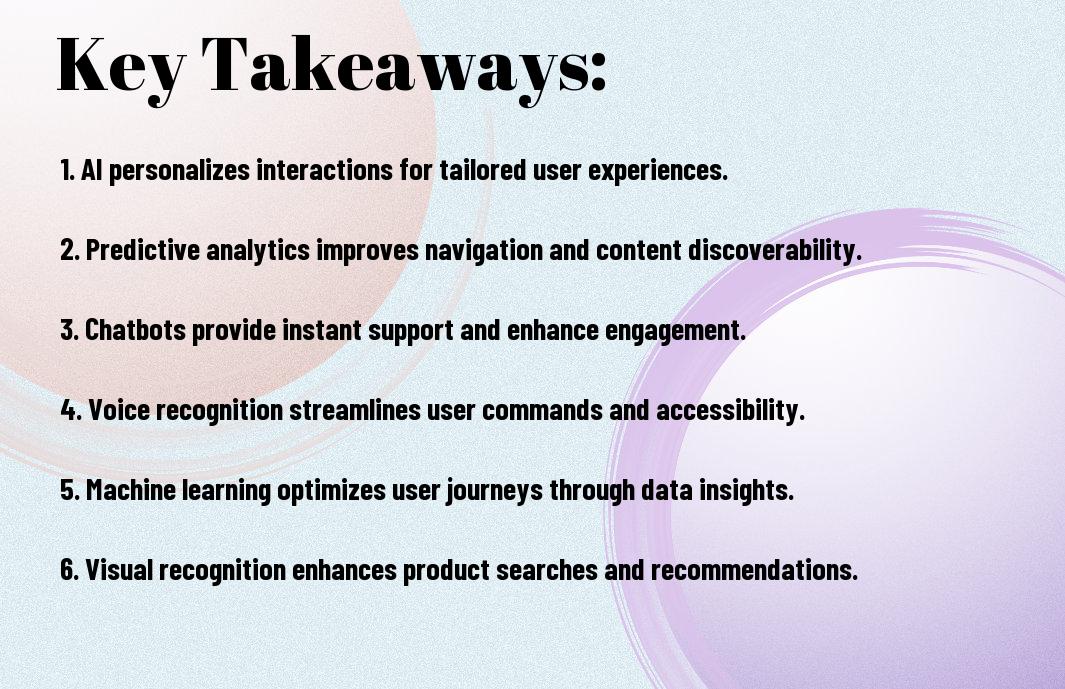
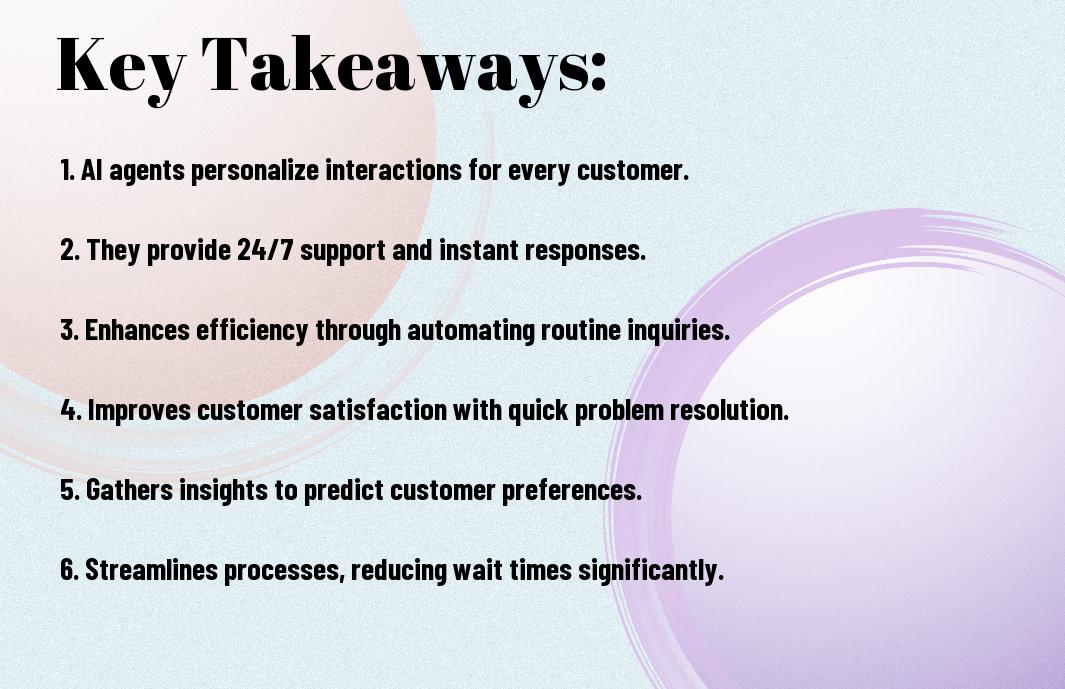
Key Takeaways:
- AI agents play a significant role in enhancing customer experience by providing personalized support and services, allowing businesses to build stronger relationships with their customers and improve overall satisfaction.
- AI-powered chatbots and virtual assistants can handle a high volume of customer inquiries, freeing up human customer support agents to focus on more complex issues and providing a more efficient experience for customers.
- By leveraging AI agents, businesses can gain valuable insights into customer behavior and preferences, enabling them to make data-driven decisions and tailor their services to meet the evolving needs of their customers, ultimately driving loyalty and retention.
The Evolution of AI in Customer Service
While exploring the history of customer service, you’ll notice a significant shift towards technology-driven solutions, with AI agents playing a vital role in enhancing your customer experience.
Traditional Customer Service Limitations
Service delivery has long been hindered by human limitations, such as emotional fatigue and limited working hours, affecting your ability to provide 24/7 support to your customers.
Rise of AI-Powered Solutions
Beneath the surface of traditional customer service lies a new era of AI-powered solutions, enabling you to automate tasks and provide personalized support to your customers.
This rise of AI-powered solutions has transformed the customer service landscape, allowing you to leverage machine learning algorithms and natural language processing to analyze customer interactions and deliver tailored responses, ultimately enhancing your customer experience and building brand loyalty. As you examine deeper into AI-powered solutions, you’ll discover the potential to streamline your customer service operations, reduce response times, and increase customer satisfaction.
Core Components of AI Customer Service Agents
If you’re looking to enhance your customer experience, you’ll want to understand the core components of AI customer service agents, which you can learn more about in The Role of AI in Enhancing Customer Experience. This will help you make informed decisions about implementing AI in your business.
Natural Language Processing
Along with advancements in technology, natural language processing has become a key aspect of AI customer service agents, enabling them to understand and respond to your customers’ queries more effectively.
Machine Learning Capabilities
Like human learning, machine learning capabilities allow AI agents to improve their performance over time, enabling them to provide more personalized and efficient support to your customers.
And as you research deeper into machine learning capabilities, you’ll discover that they enable AI agents to analyze vast amounts of data, identify patterns, and make predictions, allowing them to provide proactive and tailored support to your customers, ultimately enhancing their overall experience with your brand.
Customer Experience Transformation
All businesses strive to deliver exceptional customer experiences, and AI agents play a significant role in achieving this goal. You can leverage AI to analyze customer data, preferences, and behaviors, enabling your company to provide personalized interactions and tailored solutions.
Personalization at Scale
By harnessing the power of AI, you can offer personalized experiences to your customers at scale, increasing their satisfaction and loyalty. Your business can use AI-driven insights to create targeted marketing campaigns, product recommendations, and customized support, making your customers feel valued and understood.
Real-Time Response Systems
With the implementation of AI-powered response systems, you can respond to customer inquiries and concerns in real-time, ensuring timely and effective issue resolution. Your customers will appreciate the prompt attention, leading to increased trust and loyalty in your brand.
Further, real-time response systems enabled by AI allow you to proactively address customer issues, reducing the likelihood of escalation and improving overall customer satisfaction. You can integrate AI-driven chatbots, virtual assistants, and other tools to provide 24/7 support, ensuring that your customers receive assistance whenever they need it, and enhancing their experience with your brand.
Business Impact and ROI
To maximize the benefits of AI agents, you need to understand their impact on your business. By implementing AI agents, you can enhance customer experience, leading to increased loyalty and retention, ultimately driving revenue growth and improving your bottom line.
Cost Efficiency Metrics
Against the backdrop of rising operational costs, AI agents can help you streamline processes, reducing the need for human intervention and minimizing errors, thereby saving you time and money.
Customer Satisfaction Indicators
One of the key benefits of AI agents is their ability to provide personalized support, helping you to improve customer satisfaction and loyalty, which is necessary for your business’s long-term success.
Customer satisfaction is a key indicator of the effectiveness of your AI agents, and you can measure it through various metrics, such as net promoter score, customer effort score, and first contact resolution rate, allowing you to refine your strategy and make data-driven decisions to further enhance your customer experience.
Implementation Strategies
Keep in mind that successful implementation of AI agents in customer experience requires a well-planned approach, you can learn more about The Role of AI Agents in Enhancing Customer Service to improve your strategy.
Integration with Existing Systems
On the technical side, you will need to integrate AI agents with your existing systems to ensure seamless customer experience, this will enable you to provide personalized support to your customers.
Staff Training and Adaptation
After implementing AI agents, you should focus on training your staff to work alongside these agents, this will help your team to effectively handle complex customer queries.
Adaptation to AI-powered customer service is key to your success, as you will need to continuously monitor and evaluate the performance of your AI agents, and make adjustments as needed to ensure they are meeting your customer experience goals, and providing the best possible support to your customers.
Future Trends and Innovations
Unlike traditional customer service methods, AI agents are revolutionizing the way you interact with your customers, and their impact will only continue to grow in the future, enabling you to provide more personalized and efficient support.
Predictive Customer Service
On the horizon, you can expect AI-powered predictive customer service to become more prevalent, allowing you to anticipate and address customer issues before they even arise, enhancing your overall customer experience.
Emotional Intelligence in AI
Innovations in emotional intelligence are being integrated into AI agents, enabling you to better understand and respond to your customers’ emotions, leading to more empathetic and human-like interactions.
Further, as you explore the potential of emotional intelligence in AI, you will discover that it can help you to create more personalized and engaging customer experiences, allowing you to build stronger relationships with your customers and drive long-term loyalty, making it an crucial aspect of your customer experience strategy.
To wrap up
Presently, you can see that AI agents play a significant role in enhancing your customer experience. You will find that they provide personalized support, quick resolutions, and 24/7 assistance. As you implement AI agents, your business will likely see improved customer satisfaction and loyalty. You can expect to gain a competitive edge by leveraging AI agents to streamline your customer service operations and deliver exceptional experiences. Your customers will appreciate the efficiency and accuracy that AI agents bring to the table.
FAQ
Q: What is the role of AI agents in enhancing customer experience?
A: AI agents play a significant role in enhancing customer experience by providing personalized and efficient support to customers. They can analyze customer data, behavior, and preferences to offer tailored solutions and recommendations, thereby improving customer satisfaction and loyalty. Additionally, AI agents can help automate routine tasks, freeing up human customer support agents to focus on more complex and emotionally charged issues, leading to a more empathetic and humanized customer experience.
Q: How do AI agents improve customer engagement and interaction?
A: AI agents improve customer engagement and interaction by providing 24/7 support, quick response times, and multilingual capabilities. They can also analyze customer sentiment and emotions, enabling them to respond in a more empathetic and personalized manner. Furthermore, AI agents can facilitate seamless transitions between different communication channels, such as from chat to voice or email, ensuring a consistent and cohesive customer experience across all touchpoints.
Q: Can AI agents really understand and respond to customer emotions and sentiment?
A: Yes, AI agents can be trained to understand and respond to customer emotions and sentiment using natural language processing (NLP) and machine learning algorithms. These technologies enable AI agents to analyze customer language, tone, and behavior, and respond in a way that acknowledges and addresses their emotional state. This empathetic response can help to diffuse tension, build trust, and create a more positive customer experience.
Q: How do AI agents help in personalizing the customer experience?
A: AI agents help in personalizing the customer experience by analyzing customer data, behavior, and preferences to create unique profiles and tailor-made solutions. They can offer personalized product recommendations, content, and offers based on individual customer interests and needs. Additionally, AI agents can help to identify customer pain points and preferences, enabling companies to make data-driven decisions and implement targeted improvements to their products and services.
Q: What are the benefits of using AI agents in customer experience, and how do they impact business outcomes?
A: The benefits of using AI agents in customer experience include improved customer satisfaction, increased loyalty, and enhanced retention. AI agents can also help to reduce customer support costs, improve response times, and increase first-contact resolution rates. By providing a more personalized, efficient, and empathetic customer experience, AI agents can drive business outcomes such as increased revenue, improved brand reputation, and competitive differentiation, ultimately leading to long-term growth and success.