Data

Data-Driven Decisions – The Role Of AI In Enhancing Marketing Analytics

As you navigate the complex world of marketing, you’re constantly seeking ways to optimize your strategies and boost your brand’s performance. Your ability to make informed decisions relies heavily on the quality of your data analysis. With the advent of Artificial Intelligence (AI), you can now unlock deeper insights and patterns in your marketing data, enabling you to refine your targeting, personalize your messaging, and ultimately drive better outcomes for your business.

Key Takeaways:

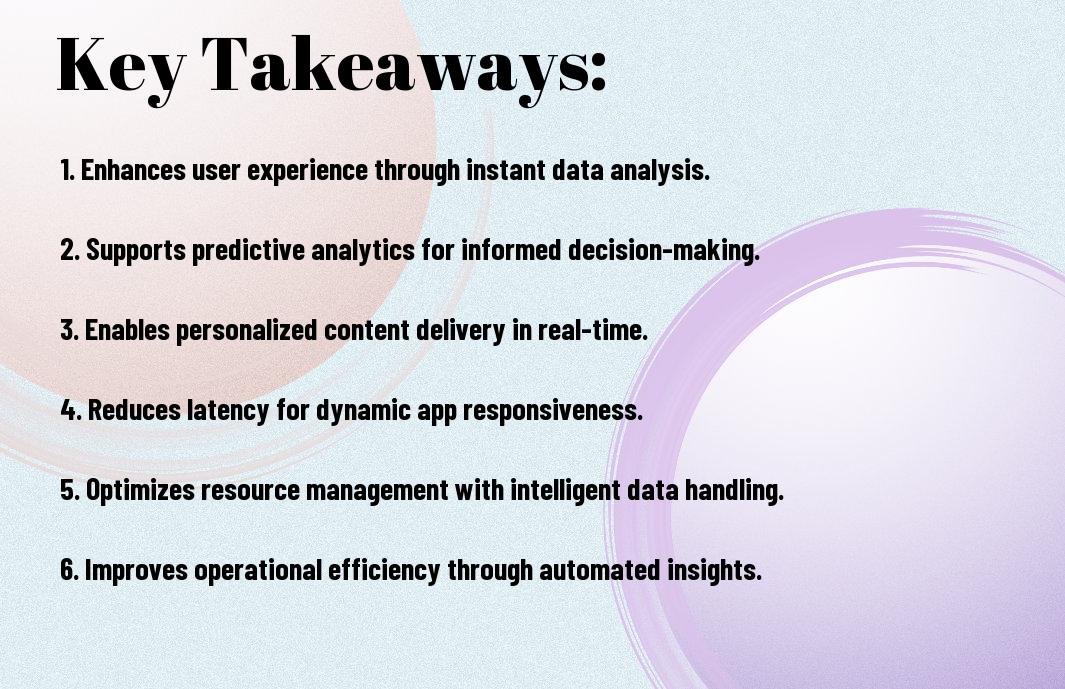
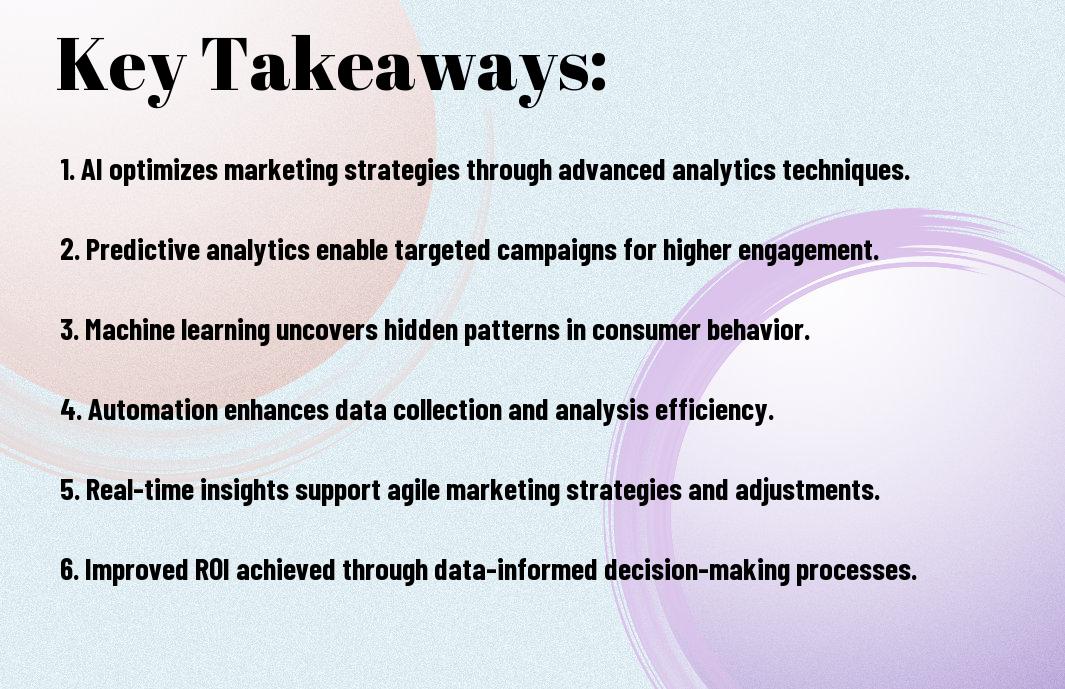
  • AI enhances marketing analytics by providing insights that inform data-driven decisions, enabling businesses to optimize their marketing strategies and improve customer engagement.
  • AI-powered tools can analyze large datasets to identify patterns and trends, allowing marketers to make more accurate predictions and adjust their campaigns accordingly.
  • The integration of AI in marketing analytics enables real-time monitoring and analysis of customer behavior, facilitating swift decision-making and driving business growth through targeted and personalized marketing efforts.
    The Evolution of Marketing Analytics

    A significant transformation has taken place in the field of marketing analytics, and you are now able to make more informed decisions with the help of advanced technologies. Your understanding of customer behavior and market trends has become more precise, enabling you to create targeted campaigns and increase your return on investment.

    Traditional Marketing Metrics

    Although traditional marketing metrics provided valuable insights, you were limited by the amount of data you could process and analyze. Your ability to make data-driven decisions was hindered by the manual process of collecting and analyzing data, which was time-consuming and prone to errors.

    The AI Revolution in Data Processing

    Markedly, the introduction of AI has revolutionized the way you process and analyze data, enabling you to handle large volumes of information quickly and accurately. Your marketing analytics have become more efficient, allowing you to focus on strategy and creativity.

    Another significant advantage of AI in data processing is its ability to identify patterns and trends that may not be apparent to you. You can now gain a deeper understanding of your customers’ preferences and behaviors, enabling you to create personalized marketing campaigns that resonate with your target audience and drive meaningful engagement.

    Core AI Technologies in Marketing

    One of the key aspects of enhancing marketing analytics is understanding the role of AI, as you can learn more about in The Role of AI in Enhancing Data-Driven Marketing Campaigns. This will help you make informed decisions and improve your marketing strategies.

    Machine Learning Algorithms

    By leveraging machine learning algorithms, you can analyze large datasets and identify patterns that inform your marketing decisions, enabling you to create more effective campaigns.

    Predictive Analytics Models

    Technologies like predictive analytics models allow you to forecast customer behavior and preferences, giving you a competitive edge in the market and enabling you to tailor your marketing efforts to meet their needs.

    Core to the success of predictive analytics models is your ability to collect and analyze large amounts of data, which you can then use to make predictions about future customer behavior and preferences, allowing you to adjust your marketing strategies accordingly and stay ahead of the competition.

    Real-Time Data Processing

    Keep in mind that real-time data processing is important for making informed decisions. You can analyze large amounts of data quickly, allowing you to respond to changes in your market and make adjustments to your strategy.

    Customer Behavior Tracking

    Prior to implementing AI in your marketing analytics, you likely relied on historical data to understand customer behavior. You can now track customer interactions in real-time, giving you a more accurate picture of their needs and preferences.

    Dynamic Response Systems

    Unlike traditional marketing strategies, dynamic response systems allow you to respond to customer interactions in the moment. You can use AI to analyze customer data and trigger personalized responses, improving customer engagement and loyalty.

    Understanding how dynamic response systems work is key to leveraging their potential. You can use AI-powered tools to analyze customer data, identify patterns, and trigger automated responses, such as personalized emails or offers, to enhance your marketing efforts and drive business growth, allowing you to stay ahead of the competition and achieve your goals.

    Personalization Through AI

    Many businesses are leveraging AI to enhance their marketing analytics, enabling you to make data-driven decisions that drive personalization. This approach allows you to better understand your target audience and create tailored experiences that meet their unique needs.

    Customer Segmentation

    Across various industries, you can utilize AI to segment your customer base, identifying distinct groups with similar characteristics and preferences. This enables you to develop targeted marketing strategies that resonate with each segment, increasing the effectiveness of your efforts.

    Tailored Marketing Campaigns

    Across the customer journey, you can use AI to create personalized marketing campaigns that speak directly to your audience. By analyzing their behavior and preferences, you can develop targeted messages that drive engagement and conversion.

    Campaigns that are tailored to your audience’s specific needs and interests are more likely to yield positive results, as you are able to address their unique pain points and motivations. As you leverage AI in your marketing efforts, you can refine your approach over time, continually optimizing your campaigns to better meet the evolving needs of your target audience, and ultimately driving greater ROI for your business.

    Marketing ROI Enhancement

    After implementing AI in your marketing analytics, you can expect significant improvements in your return on investment. By leveraging AI-powered tools, you can make data-driven decisions, which can be learned more about at Data-Driven Decision-Making with AI, to optimize your marketing strategies and maximize your ROI.

    Cost Optimization

    Beneath the surface of marketing analytics lies the potential for cost optimization. By analyzing your data, you can identify areas where you can cut costs and allocate your budget more efficiently, allowing you to get the most out of your marketing spend.

    Revenue Attribution Models

    After developing a solid understanding of your marketing analytics, you can create effective revenue attribution models. These models help you understand which marketing channels are driving the most revenue, allowing you to make informed decisions about where to allocate your budget.

    Understanding how revenue attribution models work is key to unlocking the full potential of your marketing analytics. You can use AI-powered tools to analyze your data and create customized models that take into account your unique marketing strategies and goals, enabling you to make data-driven decisions that drive real results for your business.

    Data Privacy and Ethics

    Not all AI-driven marketing analytics solutions prioritize data privacy, which can lead to significant risks for your business. You must ensure that your marketing analytics are compliant with data protection regulations to avoid penalties and maintain customer trust.

    Regulatory Compliance

    Above all, you need to understand the regulatory landscape and ensure your marketing analytics comply with relevant laws and regulations, such as GDPR and CCPA, to protect your customers’ data and avoid legal issues.

    Ethical AI Implementation

    By implementing AI in a responsible and transparent manner, you can build trust with your customers and stakeholders, which is vital for your business’s long-term success. You should prioritize ethical AI implementation to ensure that your marketing analytics are fair, unbiased, and respectful of customers’ privacy.

    For instance, you can achieve ethical AI implementation by being open about the data you collect and how you use it, providing customers with control over their data, and regularly auditing your AI systems for bias and errors. By doing so, you can create a positive and trustworthy brand image, which will ultimately drive business growth and customer loyalty.

    Summing up

    Conclusively, you now understand the significance of AI in enhancing marketing analytics for data-driven decisions. You can leverage AI to make informed decisions, driving your business forward. To explore deeper into this topic, visit The Role of AI in Data-Driven Decision Making to discover how your organization can benefit from AI-driven insights, ultimately boosting your marketing strategies and improving your overall business performance.

    FAQ

    Q: What is the role of AI in enhancing marketing analytics for data-driven decisions?

    A: The role of AI in enhancing marketing analytics is to provide insights and patterns in large datasets, enabling businesses to make informed, data-driven decisions. AI-powered tools can analyze vast amounts of data, identify trends, and predict customer behavior, allowing marketers to optimize their strategies and improve campaign effectiveness.

    Q: How does AI improve the accuracy of marketing analytics and decision-making?

    A: AI improves the accuracy of marketing analytics by automating data processing, reducing manual errors, and providing real-time insights. AI algorithms can analyze complex data sets, identify correlations, and detect anomalies, enabling marketers to make more accurate predictions and decisions. Additionally, AI-powered tools can continuously learn and adapt to new data, refining their predictions and recommendations over time.

    Q: What types of marketing analytics can be enhanced with AI, and how do they support data-driven decisions?

    A: AI can enhance various types of marketing analytics, including customer segmentation, predictive modeling, and attribution analysis. By applying AI to these areas, marketers can gain a deeper understanding of their target audience, anticipate customer behavior, and measure the effectiveness of their campaigns. For example, AI-powered customer segmentation can help identify high-value customer groups, while predictive modeling can forecast future sales and revenue. Attribution analysis, powered by AI, can also help marketers understand the impact of each touchpoint on the customer journey, enabling them to optimize their marketing mix and allocate budget more effectively.

    Q: How can businesses ensure the quality and integrity of their data to support AI-driven marketing analytics and decision-making?

    A: To ensure the quality and integrity of their data, businesses should implement robust data governance policies, including data validation, cleansing, and normalization. They should also establish clear data standards, ensure data consistency, and provide ongoing training to employees on data management best practices. Additionally, businesses can leverage AI-powered data quality tools to detect and correct errors, as well as monitor data drift and anomalies. By maintaining high-quality data, businesses can trust the insights generated by AI-powered marketing analytics and make informed, data-driven decisions.

    Q: What are the potential challenges and limitations of using AI in marketing analytics, and how can they be addressed?

    A: Potential challenges and limitations of using AI in marketing analytics include data bias, algorithmic errors, and lack of transparency. To address these challenges, businesses should prioritize data quality, regularly audit their AI systems, and ensure that their AI algorithms are fair, transparent, and explainable. Additionally, businesses should invest in employee education and training, focusing on AI literacy and data interpretation skills. By acknowledging and addressing these challenges, businesses can unlock the full potential of AI in marketing analytics and drive more effective, data-driven decision-making.

From Data to Apps – Using AI Models for Innovative Solutions

As you navigate the world of technology, you’re likely aware of the vast amounts of data at your disposal. You can harness this data to create innovative solutions using AI models, transforming your approach to problem-solving. Your ability to leverage AI will enable you to develop cutting-edge applications, driving growth and efficiency in various aspects of your life and business. You will learn how to bridge the gap between data and applications, unlocking new possibilities and opportunities.

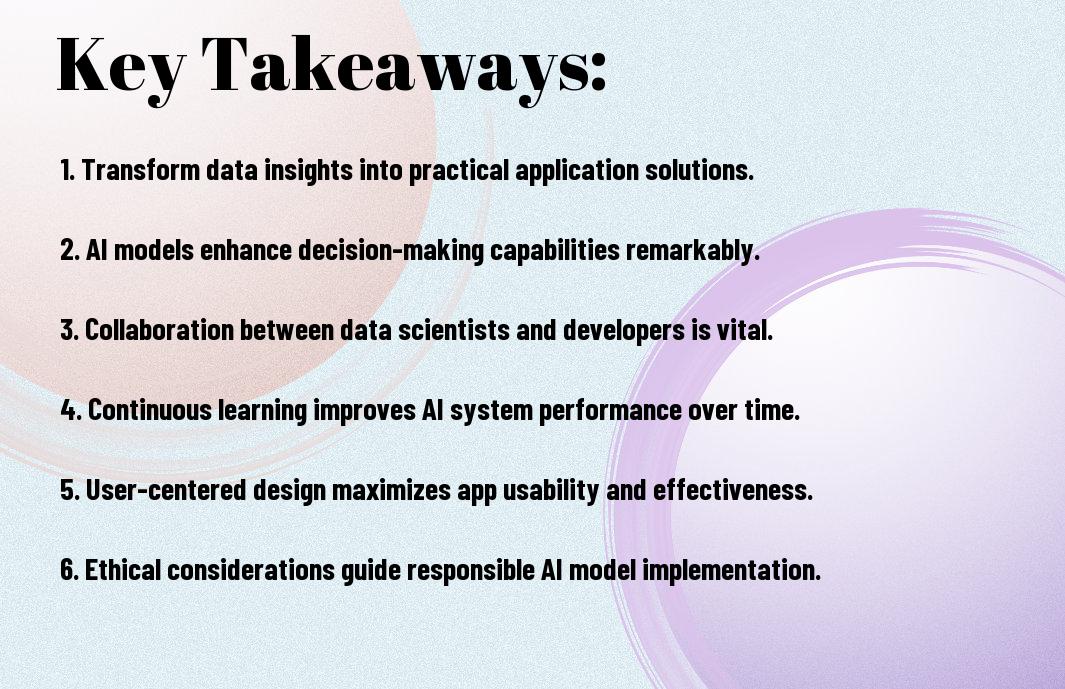
Key Takeaways:

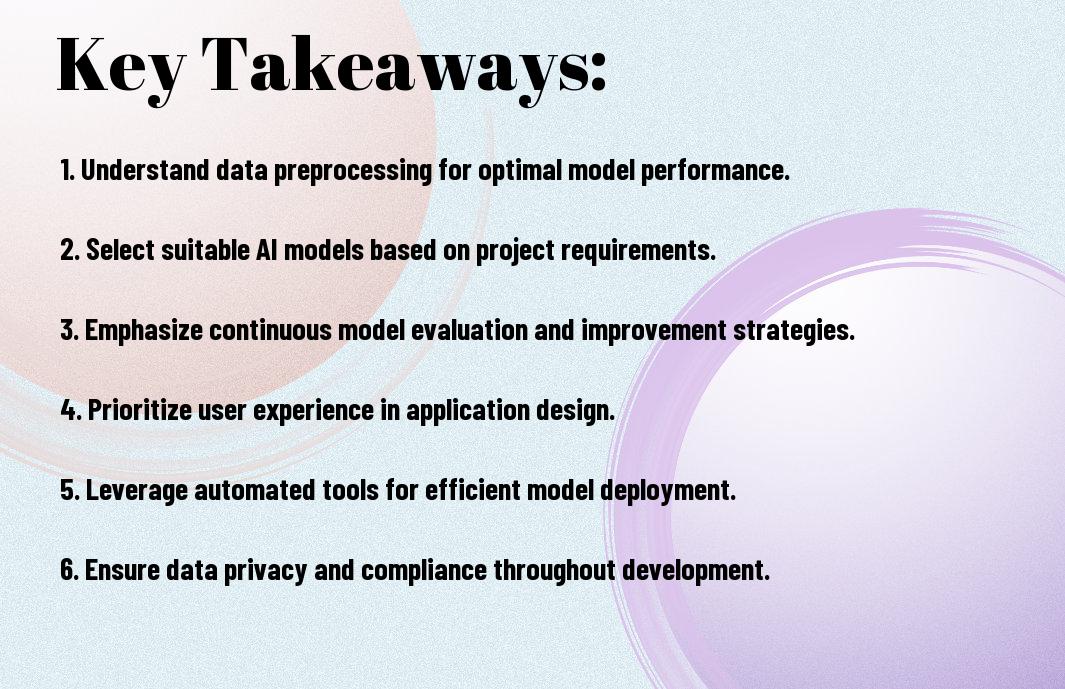
  • AI models can be leveraged to transform data into actionable insights, enabling the development of innovative applications that drive business value and improve decision-making processes.
  • Effective integration of AI models into app development requires a deep understanding of the underlying data, as well as the ability to identify opportunities for automation and optimization.
  • By using AI models, developers can create more personalized and interactive user experiences, leading to increased user engagement and loyalty.
  • The use of AI models in app development also enables real-time data analysis and processing, allowing for more agile and responsive applications that can adapt to changing user needs.
  • As AI technology continues to evolve, it is likely to play an increasingly important role in shaping the future of app development, with potential applications in areas such as predictive maintenance, intelligent interfaces, and autonomous systems.

Data Collection and Preparation

A key step in developing innovative solutions using AI models is collecting and preparing your data. You will need to gather data from various sources, ensure its quality, and transform it into a suitable format for analysis.

Raw Data Sources

The initial step in data collection involves identifying and gathering raw data from sources such as databases, files, or external data providers, which will serve as the foundation for your AI models, and you should consider the relevance and accuracy of the data you collect.

Data Cleaning Methods

Cleaning your data is crucial to remove inconsistencies and errors, and you can use various techniques such as data normalization, handling missing values, and data transformation to prepare your data for analysis, allowing you to develop more accurate AI models.

Another important aspect of data cleaning methods is data validation, where you verify the accuracy and consistency of your data, and you can use data profiling and data quality metrics to identify and address any data quality issues, ensuring that your AI models are trained on high-quality data, which is crucial for developing reliable and effective solutions.

AI Model Selection

You will need to consider several factors when selecting an AI model for your innovative solution, including the type of problem you’re trying to solve and the data you have available.

Machine Learning Frameworks

After evaluating your options, you can choose from popular machine learning frameworks such as TensorFlow or PyTorch to build and train your model.

Model Architecture Types

You can select from various model architecture types, including:

  • Feedforward Neural Networks
  • Convolutional Neural Networks
  • Recurrent Neural Networks
  • Transformers
  • Autoencoders

Recognizing the strengths and weaknesses of each type will help you make an informed decision.

Behind the scenes, the key to selecting the right model lies in understanding your data and the problem you’re trying to solve. The following table breaks down the characteristics of different model types:

Model Type Description
Feedforward Neural Networks Simple, efficient, and effective for basic tasks
Convolutional Neural Networks Ideal for image and signal processing tasks
Recurrent Neural Networks Suitable for sequential data and time-series forecasting
Transformers State-of-the-art for natural language processing tasks
Autoencoders Useful for dimensionality reduction and anomaly detection

Learning from your data and the problem you’re trying to solve, you can choose the most suitable model architecture type. You can select from various options, including:

  • Feedforward Neural Networks
  • Convolutional Neural Networks
  • Recurrent Neural Networks
  • Transformers
  • Autoencoders

Recognizing the strengths and weaknesses of each type will help you make an informed decision. The following table provides a summary of the characteristics of different model types:

Model Type Description
Feedforward Neural Networks Simple, efficient, and effective for basic tasks
Convolutional Neural Networks Ideal for image and signal processing tasks
Recurrent Neural Networks Suitable for sequential data and time-series forecasting
Transformers State-of-the-art for natural language processing tasks
Autoencoders Useful for dimensionality reduction and anomaly detection

Development Pipeline

Now that you have your AI model, it’s time to integrate it into your development pipeline, enabling you to create innovative solutions that transform your data into actionable insights and user-friendly apps.

Training Procedures

To train your AI model effectively, you will need to prepare your data, select the appropriate algorithms, and fine-tune the model’s parameters to achieve optimal performance, allowing you to develop a robust and reliable model that meets your needs.

Testing and Validation

Procedures for testing and validation are important to ensure your AI model functions as expected, and you can evaluate its performance using various metrics and benchmarks to identify areas for improvement, enabling you to refine your model and achieve better results.

Another aspect of testing and validation involves evaluating your model’s ability to generalize to new, unseen data, and you can use techniques such as cross-validation to assess its performance and make adjustments as needed, allowing you to develop a model that is both accurate and reliable, and that provides valuable insights and solutions for your users.

App Integration

Not only does app integration enable seamless interaction between different components, but it also allows you to leverage AI models for innovative solutions, enhancing your overall user experience.

API Development

Above all, you will need to focus on developing robust APIs that can effectively communicate with your AI models, ensuring a smooth data exchange and enabling you to build powerful applications.

Frontend Implementation

Behind the scenes, your frontend implementation plays a significant role in showcasing the capabilities of your AI models, and you will need to design an intuitive interface that allows users to interact with your application effortlessly.

Consequently, as you explore deeper into frontend implementation, you will discover that a well-designed user interface can make a significant difference in how your users perceive and utilize your application, and you should prioritize creating an engaging and user-friendly experience that showcases your AI models’ capabilities.

Performance Optimization

After developing your AI model, you need to focus on optimizing its performance to ensure it runs efficiently and effectively, which is imperative for creating innovative solutions.

Model Efficiency

Optimizing your model’s architecture and parameters is key to achieving better performance, and you can use various techniques to streamline your model’s efficiency, allowing you to make the most of your data.

Resource Management

Besides model efficiency, managing your resources effectively is vital to optimizing performance, and you should consider factors such as computational power and memory usage to ensure your model runs smoothly.

Consequently, as you research deeper into resource management, you will find that allocating the right amount of resources to your model can significantly impact its performance, and you can use various tools and techniques to monitor and adjust your resource allocation, allowing you to get the best out of your model and create innovative solutions that meet your needs.

Security and Privacy

Keep your AI models secure by leveraging Data Platforms: The Driving Force Behind AI Innovation to protect your data. This ensures your innovative solutions are reliable and trustworthy.

Data Protection

Only by implementing robust security measures can you safeguard your data from unauthorized access, ensuring the integrity of your AI models.

User Privacy Controls

Before deploying your AI-powered app, consider implementing user privacy controls to maintain transparency and trust with your users.

Controls such as opt-out options and data anonymization allow you to balance your need for data with your users’ right to privacy, enabling you to build trust and ensure the long-term success of your app.

To wrap up

Conclusively, you now have a comprehensive understanding of how to leverage AI models to transform data into innovative applications. You can utilize your newfound knowledge to develop cutting-edge solutions, enhancing your ability to make informed decisions and drive business growth. By applying these concepts, you will be able to unlock the full potential of your data, leading to increased efficiency and competitiveness in your industry, and ultimately, driving your success.

FAQ

Q: What is the main goal of using AI models for innovative solutions in the “From Data to Apps” approach?

A: The primary objective of leveraging AI models in the “From Data to Apps” methodology is to transform raw data into actionable insights and user-friendly applications, enabling businesses and organizations to make data-driven decisions, automate processes, and create innovative products and services that meet the evolving needs of their customers and stakeholders.

Q: How do AI models contribute to the development of innovative solutions in the “From Data to Apps” framework?

A: AI models play a significant role in the “From Data to Apps” framework by providing the capability to analyze large datasets, identify patterns, and make predictions or recommendations. These models can be used for a variety of tasks, such as natural language processing, computer vision, and predictive analytics, allowing developers to create intelligent applications that can learn, adapt, and improve over time, thereby driving innovation and delivering value to users.

Q: What skills and expertise are required to successfully implement AI models for innovative solutions in the “From Data to Apps” approach?

A: To effectively implement AI models in the “From Data to Apps” approach, individuals and teams require a combination of skills and expertise in data science, machine learning, software development, and domain-specific knowledge. This includes proficiency in programming languages such as Python, R, or Julia, experience with AI frameworks and libraries like TensorFlow or PyTorch, and a deep understanding of data preprocessing, model training, and deployment. Additionally, collaboration and communication skills are necessary for working with cross-functional teams to identify business needs, design solutions, and integrate AI models into larger applications and systems.

Real-Time Data Processing in Apps with AI Integration

As you investigate into the world of app development, you’ll discover the significance of processing data in real-time. With your users generating vast amounts of data, you need to analyze and respond to it instantly. By integrating AI into your apps, you can achieve seamless real-time data processing, enabling your applications to make informed decisions and provide personalized experiences. Your ability to leverage this technology will redefine the way your apps interact with users, driving engagement and loyalty.

Key Takeaways:

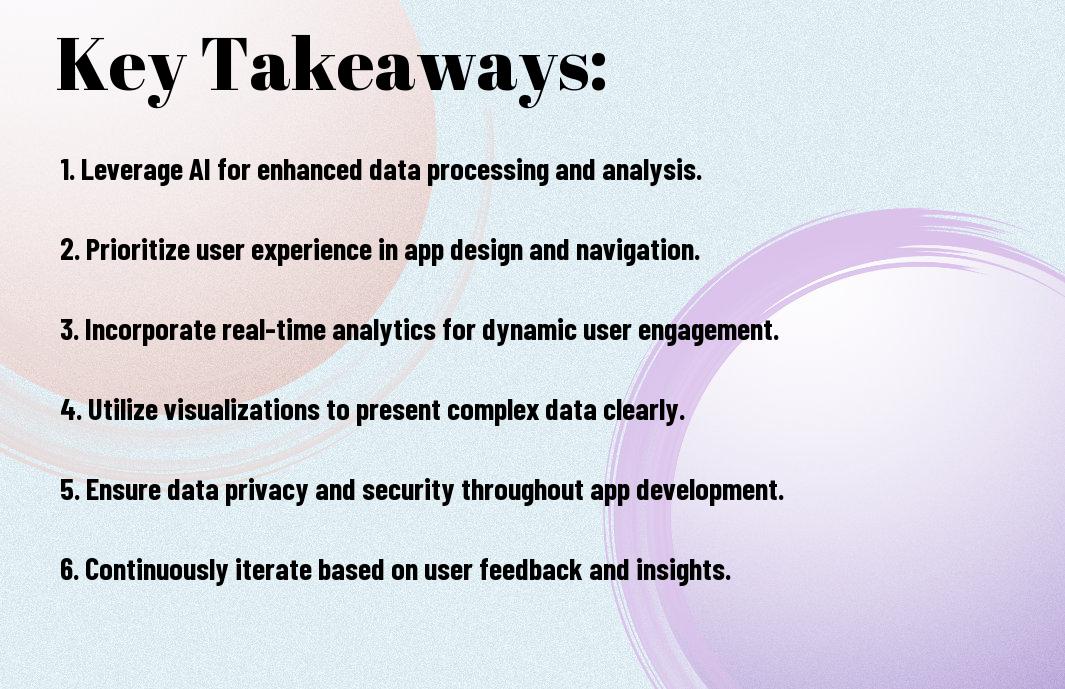
  • Real-time data processing in apps with AI integration enables faster and more accurate decision-making by analyzing vast amounts of data as it is generated, allowing for immediate insights and actions.
  • AI-powered real-time data processing can enhance user experience by providing personalized recommendations, predictive maintenance, and automated issue detection, leading to increased customer satisfaction and loyalty.
  • Integrating AI with real-time data processing can help apps to detect and prevent fraud, anomalies, and security threats in real-time, reducing the risk of financial losses and data breaches.
  • Real-time data processing with AI can optimize business operations by streamlining processes, improving resource allocation, and predicting demand, resulting in increased efficiency and reduced costs.
  • As the volume and complexity of data continue to grow, the use of real-time data processing with AI integration is becoming increasingly important for businesses to stay competitive, innovate, and drive growth in today’s fast-paced digital landscape.

Fundamentals of Real-Time Processing

A key aspect of real-time data processing is the ability to handle large volumes of data quickly and efficiently. You will need to understand the basics of real-time processing to implement it effectively in your apps with AI integration.

Stream Processing Architecture

Above all, stream processing architecture is designed to handle continuous streams of data. You can use this architecture to process data in real-time, allowing your apps to respond quickly to changing conditions.

Data Flow Management

With proper data flow management, you can ensure that your real-time data processing system operates smoothly. You need to manage the flow of data from various sources to your processing system.

Hence, as you manage your data flow, you will need to consider factors such as data quality, latency, and scalability to ensure that your system can handle the demands of real-time processing, and you can make the most of your AI integration to drive insights and decision-making in your apps.

AI Components in Real-Time Systems

Any real-time data processing system with AI integration relies on several key components to function effectively, and you will need to understand how these components work together to achieve your goals.

Machine Learning Models

Following the design of your system, you can implement machine learning models to analyze and process the data in real-time, allowing you to make informed decisions based on the insights gained from your data.

Neural Network Integration

Above all, neural network integration is a key aspect of AI-powered real-time systems, and you will need to consider how to effectively integrate neural networks into your system to achieve optimal performance.

Network architecture plays a significant role in determining the effectiveness of neural network integration in your real-time system, and you should carefully consider the design of your network to ensure it can handle the demands of real-time data processing, allowing you to leverage the full potential of your system and make the most of your data.

Data Pipeline Architecture

Once again, you’ll need to design a robust data pipeline architecture to handle real-time data processing in your app with AI integration, ensuring seamless data flow and efficient processing.

Input Stream Handling

By leveraging scalable technologies, you can effectively manage incoming data streams, handling high volumes and velocities, and ensuring your system can cope with the demands of real-time processing.

Processing Layers

The processing layers in your data pipeline architecture will play a key role in transforming and analyzing your data, applying AI and machine learning algorithms to extract insights and drive decision-making.

Understanding how these processing layers interact and impact your overall data pipeline is vital, as you’ll need to optimize each layer to achieve optimal performance, ensuring your AI integration adds value to your app and drives business success, allowing you to make informed decisions based on your data.

Performance Optimization

Your application’s performance is directly impacted by the efficiency of your real-time data processing and AI integration, making optimization a key consideration to ensure seamless user experience.

Latency Management

Around the issue of latency, achieving low latency is vital for real-time data processing, and you can accomplish this by leveraging edge computing and optimizing your network infrastructure to reduce delays.

Resource Allocation

Any effective resource allocation strategy involves assigning the right amount of resources to each task, and you should prioritize tasks based on their requirements to ensure that your application runs smoothly and efficiently.

Latency in your application can be significantly reduced by allocating resources effectively, and you can achieve this by monitoring your system’s performance and adjusting resource allocation accordingly, allowing you to make the most of your resources and provide a better user experience.

AI Model Deployment

Unlike traditional methods, deploying AI models in your app requires careful consideration of real-time data processing. You can learn more about Real-Time Data Processing in Mobile Apps with AI to improve your app’s performance.

Model Serving Strategies

Before deciding on a deployment strategy, you need to consider your app’s specific requirements and choose a model serving approach that aligns with your goals, ensuring seamless integration and optimal performance.

Version Control Systems

Systems like Git help you manage different versions of your AI model, allowing you to track changes and collaborate with your team more efficiently, which is necessary for maintaining a high-quality app.

Model version control is vital for your app’s success, as it enables you to monitor and update your AI model regularly, ensuring that your app stays up-to-date and continues to provide accurate results, which is necessary for maintaining user trust and loyalty, and you can achieve this by implementing a robust version control system in your development workflow.

Security and Privacy

Many applications that utilize real-time data processing with AI integration face significant security and privacy challenges, and you must consider these factors when developing your app to ensure your users’ trust and protect their sensitive information.

Data Protection Measures

Across various industries, you will find that implementing robust data protection measures is necessary to safeguard your users’ data, and you can achieve this by using encryption, secure authentication, and access controls to prevent unauthorized access to sensitive information.

Compliance Framework

After establishing your app’s security and privacy protocols, you need to ensure that you comply with relevant regulations, and you can do this by implementing a compliance framework that aligns with industry standards and regulatory requirements, which will help you navigate the complex landscape of data protection laws and regulations.

Compliance with regulatory frameworks such as GDPR, CCPA, or HIPAA is vital to your app’s success, and you should familiarize yourself with these regulations to ensure that your app meets the necessary standards, thereby protecting your users’ data and maintaining their trust in your app, which is necessary for your business’s reputation and longevity.

To wrap up

With these considerations, you can effectively integrate real-time data processing in your apps using AI. You will enhance your app’s performance, enabling it to make informed decisions and provide personalized experiences. By leveraging AI, your app will become more responsive, efficient, and intelligent, ultimately leading to increased user satisfaction and engagement. You will be able to unlock new possibilities and stay ahead in the competitive market with your advanced app capabilities.

FAQ

Q: What is Real-Time Data Processing in Apps with AI Integration and how does it work?

A: Real-Time Data Processing in Apps with AI Integration refers to the ability of applications to process and analyze data as it is generated, leveraging Artificial Intelligence (AI) to provide immediate insights and actions. This is achieved through the integration of AI algorithms and machine learning models that can handle high volumes of data streams from various sources, such as user interactions, sensors, and external data feeds. The AI component enables the app to learn from the data, identify patterns, and make predictions or decisions in real-time, enhancing the user experience, improving operational efficiency, and driving business value.

Q: What are the benefits of implementing Real-Time Data Processing with AI Integration in mobile and web applications?

A: The benefits of implementing Real-Time Data Processing with AI Integration in mobile and web applications are numerous. It enables personalized user experiences through tailored content and recommendations, improves operational efficiency by automating decision-making processes, and enhances business intelligence through real-time analytics and insights. Additionally, it allows for proactive issue detection and resolution, reducing downtime and improving overall system reliability. Furthermore, AI-driven real-time data processing can uncover new business opportunities, optimize resource allocation, and drive innovation, giving organizations a competitive edge in the market.

Q: How can developers and organizations ensure the security and privacy of user data when implementing Real-Time Data Processing with AI Integration in their apps?

A: To ensure the security and privacy of user data when implementing Real-Time Data Processing with AI Integration, developers and organizations should implement robust data encryption methods, both in transit and at rest. They should also adhere to strict access controls, ensuring that only authorized personnel can access and process user data. Compliance with relevant data protection regulations, such as GDPR and CCPA, is also imperative. Moreover, implementing AI models that are transparent, explainable, and fair can help build trust with users. Regular security audits, penetration testing, and continuous monitoring for potential vulnerabilities are also critical to safeguarding user data in real-time data processing systems integrated with AI.

Building Data-Driven Applications – A Deep Dive into AI Models

As you launch on developing innovative solutions, you’ll need to harness the power of data to drive your applications. You’ll discover how to leverage AI models to extract insights and make informed decisions. Your journey will involve exploring the complexities of data-driven applications, and you’ll learn how to navigate the process with ease. You’ll gain a deeper understanding of AI models and their role in shaping your application’s success.

Key Takeaways:

  • Developing data-driven applications requires a thorough understanding of AI models and their applications, including supervised, unsupervised, and reinforcement learning techniques to drive business decisions and improve outcomes.
  • Effective data preparation is imperative for building accurate AI models, involving data cleaning, feature engineering, and data transformation to ensure high-quality input and reliable output.
  • Choosing the right AI model for a specific problem involves considering factors such as data size, complexity, and type, as well as the desired outcome, to select the most suitable algorithm and optimize performance.
  • Model evaluation and validation are vital steps in the development process, using metrics such as accuracy, precision, and recall to assess performance and identify areas for improvement.
  • Continuous monitoring and updating of AI models is necessary to adapt to changing data distributions and maintain optimal performance, ensuring that data-driven applications remain effective and reliable over time.

Data Architecture Foundations

The foundation of a data-driven application lies in its data architecture, which you will design to support your AI models. You need to consider the flow of data, from collection to storage and processing, to ensure seamless integration with your application.

Data Collection Systems

Above all, your data collection systems should be able to handle large volumes of data from various sources, which you can then use to train your AI models. You will need to design a system that can collect, process, and transmit data efficiently.

Storage Infrastructure

Driven by data, your storage infrastructure should be scalable and secure, allowing you to store and manage large amounts of data. You will need to consider factors such as data redundancy, backup, and recovery to ensure your data is safe and accessible.

And as you design your storage infrastructure, you should also consider the type of data you will be storing, such as structured or unstructured data, and the level of accessibility you need, to ensure that your storage solution meets your specific needs and supports your AI models effectively, allowing you to make the most of your data.

AI Model Selection

While choosing the right AI model for your application, you need to consider several factors, including data type, complexity, and desired outcome, to ensure you make an informed decision that aligns with your project goals.

Supervised Learning Frameworks

Between the various options available, you will find that supervised learning frameworks are ideal for applications where your data is labeled, allowing you to train models that can make accurate predictions based on your input data.

Neural Network Architectures

Networking through the complexities of neural networks, you will discover a wide range of architectures, each designed to tackle specific tasks, such as convolutional neural networks for image processing or recurrent neural networks for sequential data.

Selection of the appropriate neural network architecture for your application depends on your specific needs, and you should consider factors such as data dimensionality, model complexity, and computational resources to ensure optimal performance and efficiency, allowing you to build a robust and reliable model that meets your requirements.

Model Training Pipeline

After defining your AI model’s architecture, you’ll need to focus on the model training pipeline, which involves a series of steps to prepare your data and train your model. This pipeline is necessary to ensure your model learns from your data effectively.

Data Preprocessing Methods

Preceding the training process, you’ll need to apply data preprocessing methods to clean and transform your data into a suitable format for your model, allowing you to extract relevant features and improve your model’s performance.

Training Optimization Techniques

Against the backdrop of complex models and large datasets, you’ll need to employ training optimization techniques to improve your model’s efficiency and accuracy, such as regularization and hyperparameter tuning, to achieve optimal results.

Also, as you investigate deeper into training optimization techniques, you’ll discover various methods to fine-tune your model, including batch normalization, dropout, and learning rate schedulers, which will help you navigate the complexities of model training and achieve state-of-the-art performance, allowing you to make the most of your data and build a robust AI model that meets your needs.

Integration Strategies

For a seamless integration of AI models into your application, you need to consider various strategies that cater to your specific requirements. You will explore different approaches to integrate AI models, enabling you to make informed decisions about your application’s architecture.

API Development

Integrating AI models through APIs allows you to leverage their capabilities in your application, enabling you to access pre-trained models and integrate them into your system. You can use APIs to simplify the integration process, making it easier to incorporate AI-driven functionality into your application.

Microservices Implementation

The microservices architecture enables you to break down your application into smaller, independent services, allowing you to integrate AI models more efficiently. You can deploy AI models as separate microservices, making it easier to manage and update them without affecting the entire application.

In addition to the benefits of microservices, you can also use containerization to ensure consistency and reliability across different environments, making it easier to deploy and manage your AI models. You can use tools like Docker to containerize your AI models, enabling you to deploy them in a scalable and efficient manner, and ensuring that your application remains performant and responsive.

Performance Optimization

All data-driven applications require optimization to ensure seamless execution. You can learn more about optimizing AI models by visiting A Deep Dive into AI Inference and Solution Patterns | Blog to improve your application’s performance.

Scalability Considerations

On the path to building a data-driven application, you will encounter scalability challenges. You need to consider these factors to ensure your application can handle increased traffic and data.

Resource Management

Against the backdrop of growing application demands, you must manage resources effectively. You should allocate resources wisely to optimize performance and minimize costs.

Performance of your application is heavily dependent on resource management. You will need to monitor and adjust resource allocation regularly to ensure your application is running smoothly and efficiently, allowing you to make the most of your resources and improve your overall application performance.

Security Measures

Keep your data-driven application secure by implementing robust security measures to protect your AI models and data from unauthorized access and breaches.

Data Protection Protocols

On the path to securing your application, you’ll need to establish data protection protocols that ensure the confidentiality, integrity, and availability of your data, allowing you to maintain control over your sensitive information.

Model Security Guidelines

One of the key aspects of securing your AI models is to follow established guidelines that outline best practices for model development, deployment, and maintenance, helping you to minimize potential risks and vulnerabilities.

Guidelines for model security are designed to help you protect your AI models from attacks and breaches, and as you implement these guidelines, you’ll be able to ensure the reliability and trustworthiness of your models, which is vital for maintaining the integrity of your data-driven application, and you can achieve this by regularly updating and monitoring your models, as well as using secure deployment and serving techniques.

Final Words

From above, you have gained a comprehensive understanding of building data-driven applications with AI models. You now know how to harness the power of AI to drive your business forward. With your newfound knowledge, you can develop innovative solutions that unlock new opportunities and drive growth. You will be able to make informed decisions about your AI strategy, and your applications will be more efficient, effective, and scalable, giving you a competitive edge in the market.

FAQ

Q: What are the key components of building data-driven applications, and how do AI models contribute to their development?

A: Building data-driven applications involves several key components, including data collection, data processing, and data analysis. AI models play a significant role in this process by enabling the analysis and interpretation of complex data sets. These models can be used for predictive analytics, pattern recognition, and decision-making, allowing developers to create applications that can learn and adapt to user behavior. By leveraging AI models, developers can create more intelligent and responsive applications that provide personalized experiences for users.

Q: What are some common challenges that developers face when integrating AI models into their applications, and how can they be addressed?

A: Developers often face challenges such as data quality issues, model training and deployment, and ensuring the explainability and transparency of AI-driven decisions. To address these challenges, developers can focus on data preprocessing and validation, use techniques such as data augmentation and transfer learning to improve model performance, and implement model interpretability techniques such as feature attribution and model explainability. Additionally, developers can use cloud-based services and frameworks that provide pre-built AI models and automated machine learning capabilities to simplify the development process.

Q: How can developers ensure that their AI-powered applications are fair, transparent, and accountable, and what are some best practices for deploying AI models in production environments?

A: To ensure that AI-powered applications are fair, transparent, and accountable, developers can implement techniques such as bias detection and mitigation, model interpretability, and transparency in decision-making processes. Best practices for deploying AI models in production environments include monitoring model performance and data drift, using continuous integration and continuous deployment (CI/CD) pipelines, and implementing robust testing and validation procedures. Developers can also use techniques such as model ensemble and stacking to improve model performance and robustness, and use cloud-based services that provide automated model monitoring and maintenance capabilities to ensure that their AI-powered applications are reliable and trustworthy.

Building Data-Rich, Interactive Apps with AI Insights

As you launch on creating innovative applications, you’re likely aware of the significance of integrating data and AI-driven insights to enhance user experience. Your goal is to craft interactive apps that not only engage users but also provide valuable information. By leveraging AI, you can unlock new possibilities for your apps, making them more intuitive and data-rich, and ultimately driving business success. You will learn how to harness the power of AI to create impactful applications.

Key Takeaways:

  • Integrating AI insights into applications can significantly enhance user experience by providing personalized and dynamic interactions, leading to increased engagement and customer satisfaction.
  • Building data-rich, interactive apps requires a robust data infrastructure that can handle large volumes of data and provide real-time analytics and insights to inform AI-driven decision making.
  • AI-powered apps can automate complex tasks and processes, freeing up resources for more strategic and creative work, and enabling businesses to respond quickly to changing market conditions and customer needs.
  • Effective use of AI in app development involves careful consideration of data quality, algorithmic bias, and transparency, to ensure that insights are accurate, reliable, and fair.
  • By leveraging AI insights, developers can create innovative and adaptive applications that learn and improve over time, driving business growth and competitiveness in a rapidly evolving digital landscape.

Data Architecture Foundations

A well-designed data architecture is necessary for building data-rich, interactive apps with AI insights, as you need to ensure that your data is properly managed and utilized to inform your app’s functionality and user experience.

Data Collection Pipelines

Along with identifying the types of data you want to collect, you will need to establish pipelines to transport and process this data, allowing you to integrate it into your app and leverage AI-driven insights to enhance user engagement.

Storage Solutions and Scalability

Scaling your data storage solutions is vital as your app grows, and you will need to consider solutions that can accommodate increasing amounts of data while maintaining performance and accessibility, allowing you to focus on developing your app’s features and user experience.

Due to the vast amounts of data that your app will generate, you will need to carefully evaluate your storage solutions and scalability options to ensure that your app can handle the demands of a growing user base, and that your data is properly secured and managed to maintain user trust and loyalty.

AI Integration Framework

Some of the key considerations when building a data-rich, interactive app with AI insights include selecting the right tools and technologies to support your development process. You will need to evaluate your options carefully to ensure that your chosen framework can handle the complexity of your project.

Machine Learning Model Selection

Any effective AI integration framework must include a robust machine learning model selection process. You should consider factors such as data quality, model accuracy, and scalability when choosing a model to support your app’s AI-driven features.

Real-time Processing Systems

Beneath the surface of your app, real-time processing systems are crucial for handling large volumes of data and generating instant insights. You will need to design a system that can process and analyze data quickly and efficiently to support your app’s interactive features.

For instance, when designing real-time processing systems, you should consider using technologies such as stream processing or event-driven architecture to handle high-volume data streams and generate instant insights. You can leverage these technologies to build a system that can process and analyze data in real-time, supporting your app’s interactive features and providing users with a seamless experience.

Interactive Elements Design

Once again, you’ll need to consider how to effectively integrate interactive elements into your app, ensuring a seamless user experience that leverages AI insights to drive engagement and inform decision-making.

User Experience Components

To create an immersive experience, you’ll want to focus on designing intuitive user experience components that facilitate easy navigation and exploration of your app’s features and data-driven insights.

Dynamic Data Visualization

Any effective interactive app relies on dynamic data visualization to communicate complex information in a clear and concise manner, enabling you to quickly grasp key trends and patterns in your data.

Also, as you research deeper into dynamic data visualization, you’ll discover that it’s not just about presenting data in a visually appealing way, but also about creating an interactive experience that allows you to explore and manipulate the data to uncover new insights and perspectives, ultimately informing your decision-making process with actionable intelligence.

API Development

Your API development process is a key aspect of building data-rich, interactive apps with AI insights, as it enables seamless communication between different components of your application.

RESTful Services

Reliable and efficient, RESTful services provide a straightforward way to manage data interactions, allowing you to focus on developing a robust and scalable application that meets your needs.

WebSocket Implementation

With real-time communication capabilities, WebSocket implementation enables you to create interactive and engaging user experiences, providing instant updates and feedback to your users.

Indeed, WebSocket implementation offers a significant advantage when it comes to building applications that require real-time data updates, such as live analytics, gaming, or collaborative editing tools, allowing you to create a more immersive and responsive experience for your users.

Performance Optimization

Not only do you need to consider the functionality of your app, but also its performance, as it directly impacts your users’ experience. You should focus on optimizing your app’s performance to ensure seamless interactions and data processing.

Caching Strategies

The key to improving your app’s performance lies in implementing effective caching strategies, which enable you to store frequently accessed data in memory, reducing the time it takes to retrieve and process it, and ultimately enhancing your app’s overall efficiency, allowing you to provide your users with a better experience.

Load Balancing

Along with caching, you should also consider load balancing techniques to distribute the workload across multiple servers, preventing any single server from becoming overwhelmed and ensuring that your app remains responsive, even under heavy traffic, which is important for maintaining your users’ trust and loyalty.

Strategies for load balancing involve directing incoming traffic to the most available server, and you can use various algorithms to determine which server to send the traffic to, such as round-robin or least connection methods, and by implementing load balancing, you can ensure that your app can handle a large number of users without compromising its performance, allowing you to scale your app more efficiently and effectively.

Security Measures

Despite the numerous benefits of building data-rich, interactive apps with AI insights, you must prioritize security to protect your users’ sensitive information and maintain their trust.

Data Protection Protocols

Betwixt the various security measures, you will find that implementing robust data protection protocols is important to safeguard your app’s data from unauthorized access and breaches.

User Authentication Systems

Following the implementation of data protection protocols, you will need to establish reliable user authentication systems to ensure that only authorized users can access your app’s data and features.

Further, when designing your user authentication systems, you should consider using multi-factor authentication, encryption, and secure password storage to prevent unauthorized access and protect your users’ identities, allowing you to build a secure and trustworthy app that your users will appreciate and continue to use.

Final Words

Ultimately, you now have the foundation to build data-rich, interactive apps with AI insights. You can leverage your newfound knowledge to create innovative solutions, enhancing your users’ experience. As you move forward, you will unlock your app’s full potential, driving business growth and informing your decisions with actionable intelligence, making your app more engaging and effective for your audience, and taking your development skills to the next level with AI-driven insights.

FAQ

Q: What are the key benefits of building data-rich, interactive apps with AI insights?

A: Building data-rich, interactive apps with AI insights offers several benefits, including enhanced user experience, improved decision-making, and increased operational efficiency. By integrating AI-powered analytics and machine learning capabilities, developers can create apps that provide personalized recommendations, predict user behavior, and offer real-time insights, leading to increased user engagement and loyalty. Additionally, AI-driven apps can help businesses automate tasks, optimize processes, and gain a competitive edge in the market.

Q: How can developers integrate AI insights into their data-rich, interactive apps?

A: Developers can integrate AI insights into their data-rich, interactive apps by leveraging various tools and technologies, such as machine learning frameworks, natural language processing (NLP) libraries, and data visualization tools. They can also use cloud-based services, such as Google Cloud AI Platform, Microsoft Azure Machine Learning, or Amazon SageMaker, to build, deploy, and manage AI models. Furthermore, developers can utilize APIs and software development kits (SDKs) to incorporate AI-powered features, such as image recognition, speech recognition, and predictive analytics, into their apps.

Q: What are some best practices for ensuring the accuracy and reliability of AI insights in data-rich, interactive apps?

A: To ensure the accuracy and reliability of AI insights in data-rich, interactive apps, developers should follow several best practices, including data quality control, model validation, and continuous monitoring. They should also ensure that their AI models are trained on diverse and representative datasets, and that they are regularly updated to prevent bias and drift. Additionally, developers should implement robust testing and validation procedures to ensure that their AI-powered features are functioning as intended, and that they are providing accurate and reliable insights to users. By following these best practices, developers can build trust in their AI-powered apps and ensure that they are providing value to their users.

Skip to content